You Do Not Have to Make Your Reset Productive

A person can turn almost anything into work.

Even rest.

We can schedule the quiet, measure the walking, count the pages read, fill the notebook, evaluate our sleep, and quietly ask whether we are making good enough use of the time.

We can arrive at a cabin carrying fewer belongings but bring the same old pressure with us:

I need to accomplish something while I am here.

Maybe you believe you should finally make the decision you have been avoiding.

Maybe you expect to outline the next chapter of your life.

Maybe you intend to read three books, fill twenty pages of a journal, walk several miles every day, develop a new morning routine, and return home as a calmer and more certain person.

None of those things would be wrong.

But they are not requirements.

You do not have to make your reset productive.

The pressure can follow you into the quiet

Many of us are accustomed to evaluating a day by what it produced.

What did I finish?

What did I solve?

What did I decide?

What can I show for the time?

That habit does not disappear simply because we step into a quiet cabin.

In fact, the first hours without ordinary demands may make the habit more visible.

You sit down.

Nothing is ringing.

No one needs an immediate response.

There is no television filling the room. No list of attractions you are expected to visit. No schedule telling you where to be next.

And almost immediately, the mind begins creating work.

You should write.

You should think.

You should figure this out.

You should not waste the opportunity.

The room becomes quiet, but the pressure keeps talking.

That does not mean the reset is failing.

It may mean you are finally quiet enough to notice how much pressure you normally carry.

The first day may be mostly arrival

Your body may reach the cabin before the rest of you does.

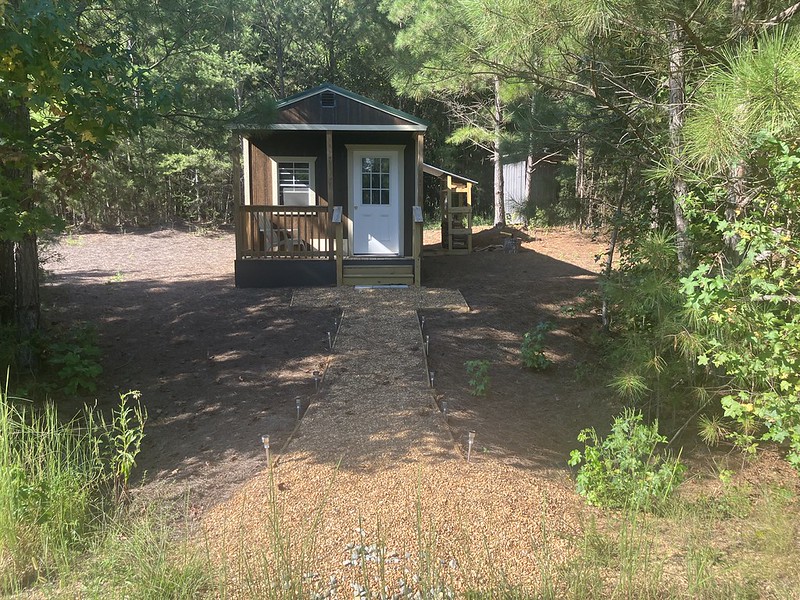
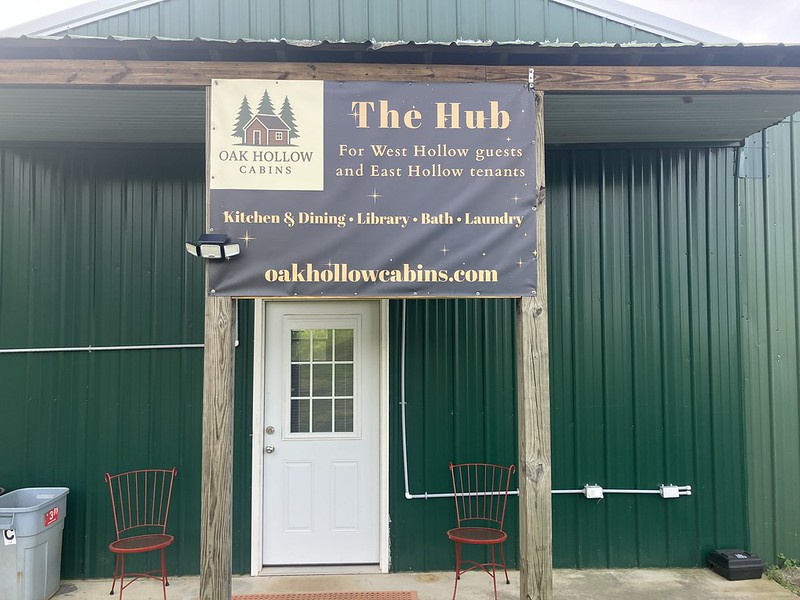
You have parked near the Hub, carried your things down toward West Hollow, placed a bag beside the bed, and looked through the large rear window.

Technically, you have arrived.

But your attention may still be somewhere else.

Part of you may still be answering a conversation from that morning.

Part of you may be thinking about what needs to happen when you return.

You may reach for your phone without deciding to.

You may feel restless.

You may wonder whether you brought the right food, chose the right book, or made a mistake coming.

A reset does not always begin with immediate peace.

Sometimes it begins with the uncomfortable discovery that you have forgotten how to stop.

That first afternoon may not need to contain an insight.

It may need to contain a nap.

A simple meal.

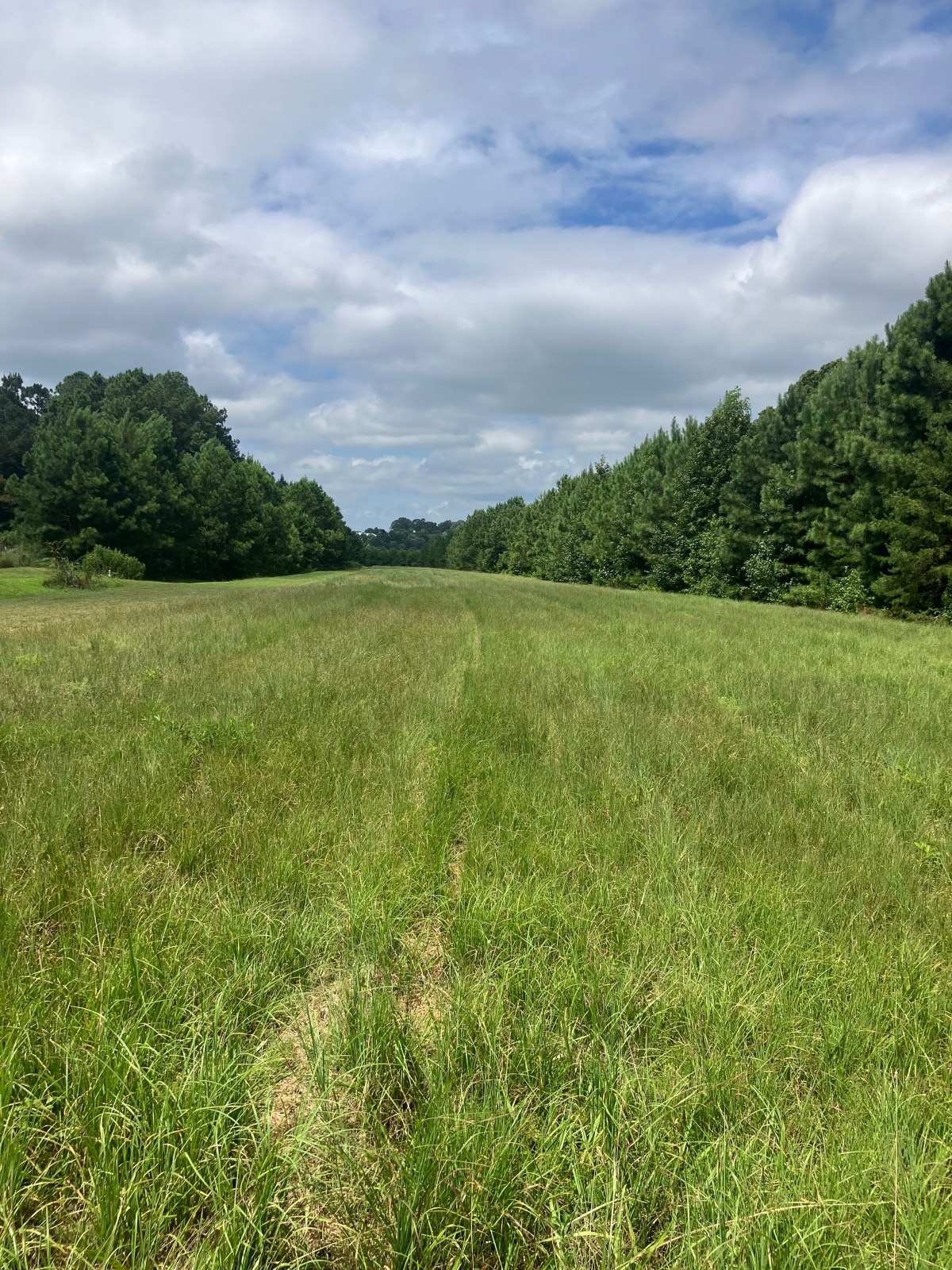
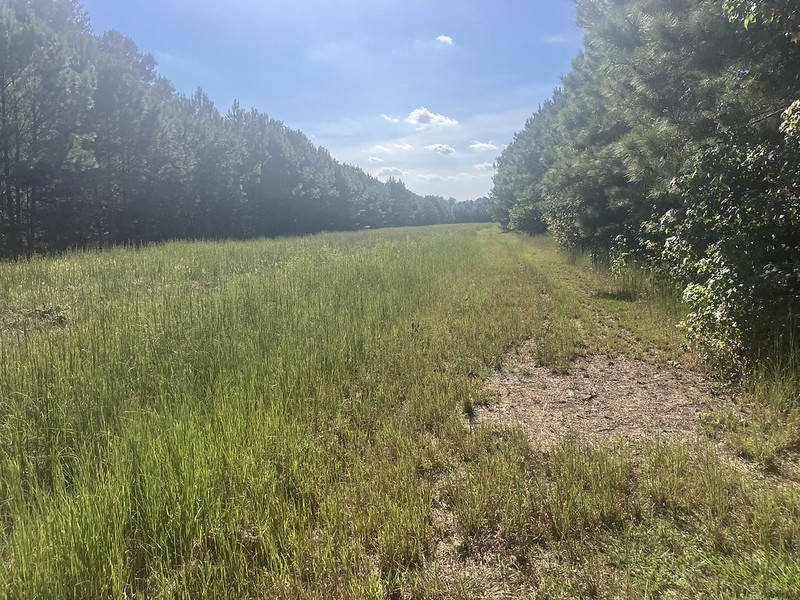
A slow walk through the Meadow.

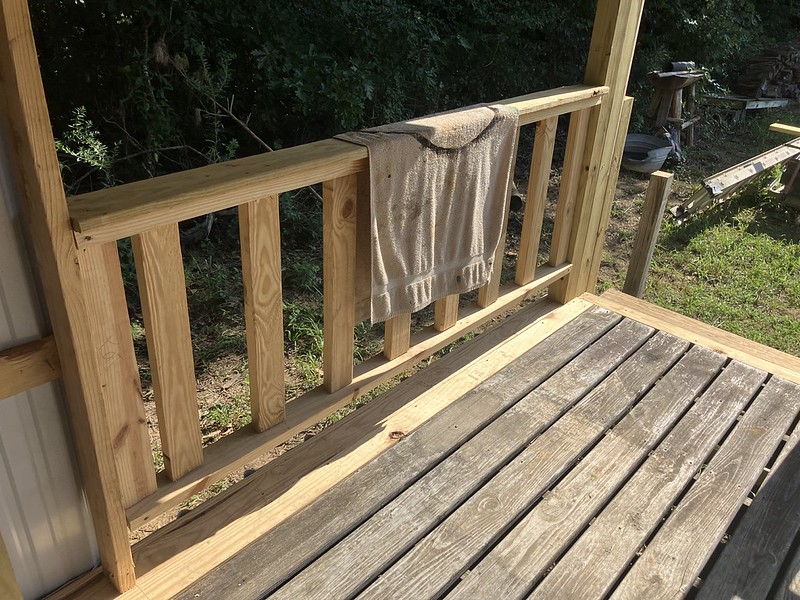
A chair on the porch.

A few minutes beside the fire.

An early night.

Arrival is not wasted time.

Arrival is part of the reset.

Rest does not have to justify itself

We often treat rest as something that must earn its place.

We rest so we can work harder later.

We sleep so we can become more efficient.

We walk so we can improve our health.

We sit quietly so we can solve a problem.

Again, those benefits may come.

But rest does not always need to serve another purpose.

You may be tired.

That may be enough.

You may need to sit beside a window and watch the light change through the trees without turning the experience into a lesson.

You may need to read ten pages and then put the book down.

You may need to write one sentence in a notebook—or none.

You may need to let an entire morning pass without deciding what it meant.

A quieter day can still be a full day, even when it produces nothing you can measure.

Clarity often arrives indirectly

The harder we demand an answer, the more difficult it can become to hear one.

Suppose you arrive at West Hollow carrying a decision.

You have three possible directions. Each has consequences. Other people have opinions. You have already made lists, talked it through, and spent too many late nights trying to force certainty.

You may believe the purpose of the stay is to choose.

But what happens when you stop making the decision the assignment?

Perhaps you walk.

Perhaps you prepare something uncomplicated to eat at the Hub.

Perhaps you sit on the porch while the woods darken.

Perhaps you sleep longer than expected.

Perhaps you read something unrelated to your problem.

Then, sometime during the second morning, one part of the decision feels less urgent.

Or one question becomes more honest.

Or you realize you already know what you do not want, even though you do not yet know what comes next.

Clarity may come.

But it often arrives as a byproduct of reduced pressure, not as the reward for pressing harder.

And sometimes clarity does not arrive during the stay at all.

Sometimes the reset simply loosens something.

The answer appears later, after you have gone home, because you are no longer gripping the question in quite the same way.

A reset is not a performance

There is no correct way to spend a quiet stay at Oak Hollow.

You do not have to wake before sunrise.

You do not have to meditate.

You do not have to keep a journal.

You do not have to walk a certain number of miles.

You do not have to avoid your phone perfectly.

You do not have to build a fire, finish a book, discover your purpose, or return home with an announcement.

You may do some of those things.

But a reset is not a performance of simplicity.

It is not a test of whether you can become the kind of person who rests correctly.

It is a temporary reduction of ordinary noise and demand.

What happens within that quieter space will be different for each guest.

One person may write for hours.

Another may sleep.

One may walk repeatedly through the Meadow.

Another may sit almost motionless on the porch.

One may arrive with a large decision and leave with a clear answer.

Another may leave with only a little more room around the question.

Both stays may have mattered.

Enough for one day

A reset can become gentler when you stop asking what the whole stay must accomplish.

Ask instead:

What would be enough for this one day?

Enough might be unpacking your bag and settling into the room.

Enough might be eating when you are hungry.

Enough might be leaving the phone inside while you take one slow walk.

Enough might be writing down one question without trying to answer it.

Enough might be noticing the sound of rain on the cabin roof.

Enough might be going to bed early.

The next day can be allowed to become its own day.

You do not have to extract everything from the quiet at once.

What you may carry home

You may leave Oak Hollow with a decision.

You may leave with several notebook pages, a revised plan, or a conversation you know you need to have.

But you may carry home something less visible.

A night of deeper sleep.

The memory of an unhurried morning.

The recognition that your body was more tired than you had admitted.

A question that finally became clear enough to name.

The realization that you do not need to solve everything this week.

The experience of living for a few days without constant input.

The knowledge that less pressure did not cause your life to collapse.

Those things may not look productive.

They may still be important.

A reset does not have to transform your life to be worthwhile.

Sometimes it is enough for the noise to lessen.

Sometimes it is enough to rest before deciding.

Sometimes it is enough to remember that you are a person—not a project that must always be improved.


Oak Hollow Cabins offers one-person reset stays near Boaz, Alabama.

West Hollow is a simple, private, off-grid cabin supported by the nearby Hub, where guests have access to practical necessities including a bathroom, shower, water, charging, kitchen use, laundry, and quiet indoor space.

Reset stays are available for a long weekend, seven days, or thirty days.

You do not need to arrive with a plan for changing your life.

You may simply need somewhere quiet enough to stop pushing for a little while.

Learn more about West Hollow and Oak Hollow reset stays.

What the Hub Adds to an Off-Grid Stay

An off-grid cabin can sound peaceful in theory and uncertain in practice.

The word may call up images of candlelight, silence, trees, and a slower rhythm. But it may also raise practical questions. Where do I shower? Where do I charge a phone? What about water? What if I need a bathroom, a sink, a little indoor space, or a place to sit for a while outside the cabin?

At Oak Hollow Cabins, we want the cabins to remain simple without making the stay feel barren.

That is where the Hub matters.

West Hollow and East Hollow are private one-person cabins designed for quiet, rest, reading, writing, thinking, walking, and time away from noise. They are intentionally simple. They are not conventional vacation rentals, party cabins, couple’s getaways, or fully furnished tiny houses.

Inside the cabin, there is no built-in electricity, no pressurized running water, no indoor bathroom, no Wi-Fi, and no TV.

That simplicity is part of the point.

But simplicity does not have to mean abandonment.

The Hub provides practical support by arrangement. It is the place where ordinary needs can be met without turning the cabin itself into another version of everyday life.

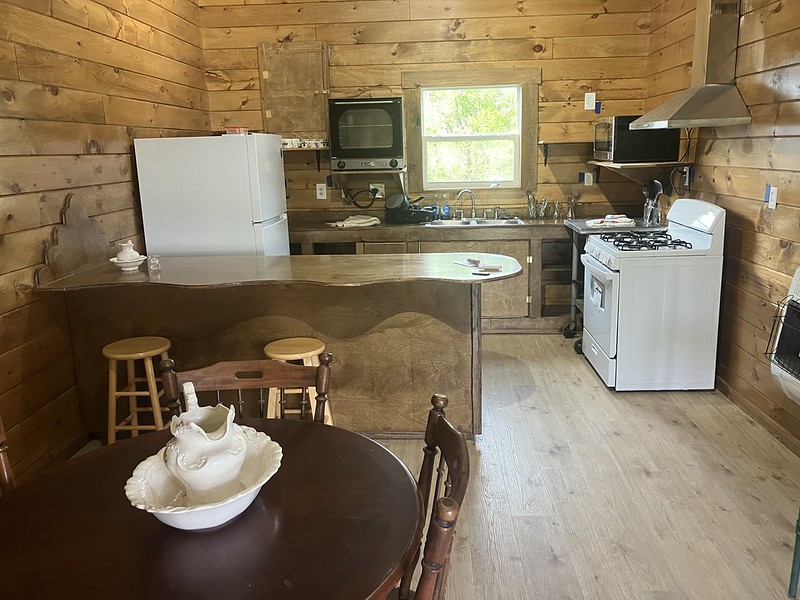
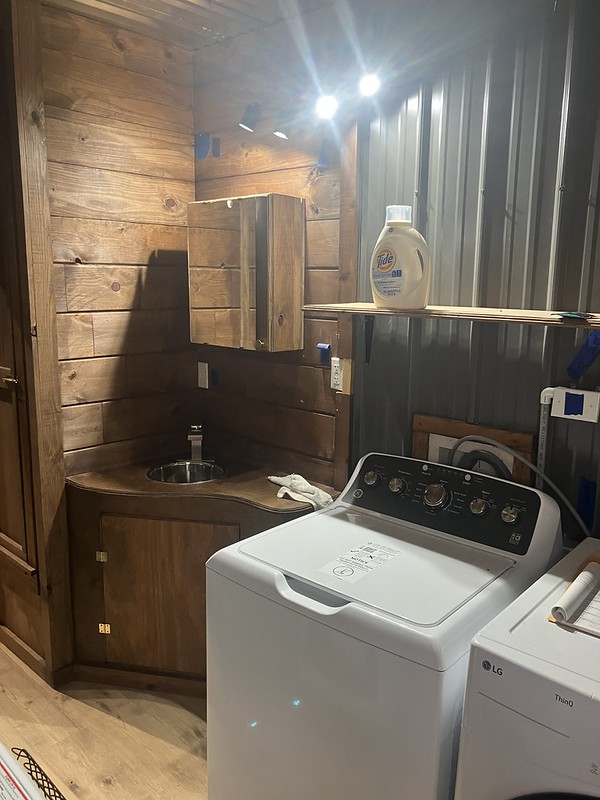
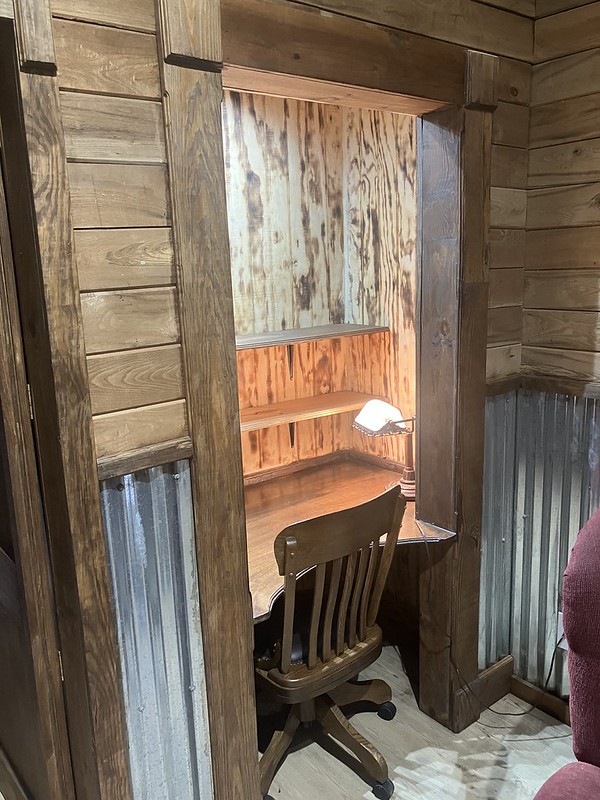
At the Hub, guests may have access by arrangement to bathroom and shower facilities, water, charging, kitchen use, laundry, and indoor sitting or reading space.

That matters because a quiet stay is not helped by unnecessary hardship.

The cabin should remove noise, not create confusion. It should reduce distraction, not make every simple need difficult. It should allow a person to step away from the usual pace of life without having to pretend the body does not still need practical care.

In that sense, the Hub helps protect the purpose of the cabins.

The cabin remains quiet.

The cabin remains simple.

The cabin remains free of television, Wi-Fi, and the ordinary pull of constant availability.

But nearby, by arrangement, there is support.

That balance is important.

Some people do not need a resort. They do not need entertainment, a schedule, a group program, or a full calendar of things to do. They may not even need much comfort in the usual vacation-rental sense.

They may simply need a private place to sleep, read, write, think, walk, sit on a porch, sit by a fire, and let the day become less crowded.

For that kind of stay, the Hub adds enough.

Enough water.

Enough practical support.

Enough access to ordinary necessities.

Enough reassurance that the off-grid cabin is not isolated from help.

Oak Hollow is not trying to hide what the cabins are. They are simple. They are one-person cabins. They are off-grid. They are not for everyone.

But for the right guest, that simplicity is not a deficiency.

It is the invitation.

And the Hub makes that invitation more livable.

It lets the cabin be what it is meant to be: a quiet place apart.

Not a place to be entertained.

Not a place to perform.

Not a place filled with screens and noise.

A place to step away for a while, with enough support nearby to make the quiet possible.


A Place to Think

There are times when life becomes too full.

Too many responsibilities. Too much noise. Too many screens. Too many decisions. Too many people needing something. Too many days lived in the habit of being available.

At first, a person may not call it exhaustion. It may feel more ordinary than that. A little irritability. A little numbness. A little trouble sleeping. A little trouble listening. A little trouble remembering what matters when nobody is asking for anything.

But underneath all of that, there may be a quieter need.

Not a vacation.

Not entertainment.

Not another full schedule with a prettier view.

A place to think.

Oak Hollow Cabins was created around that need.

We are not building a finished resort. We are not trying to fill every hour for a guest. We are not offering a long list of amenities designed to keep a person distracted. Our reset cabins are simple on purpose.

A person comes to Oak Hollow to step away from the noise long enough to rest, read, walk, sit, notice, and begin listening again.

That kind of quiet can feel strange at first.

Most of us are used to reaching for something whenever there is a gap. A phone. A screen. A task. A conversation. A little more information. A little more productivity. Even rest can become another performance if we are not careful.

But a reset asks something different.

It asks a person to stop long enough to notice what has been buried under the noise.

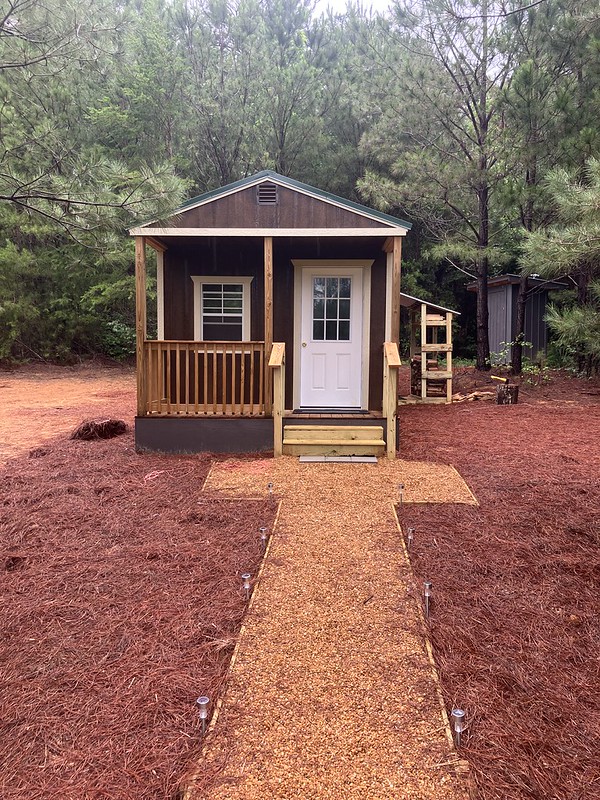
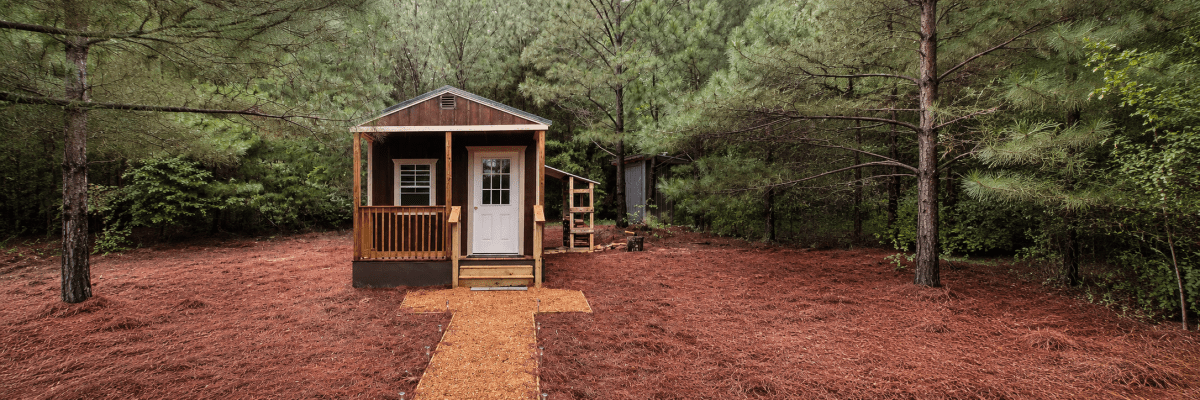
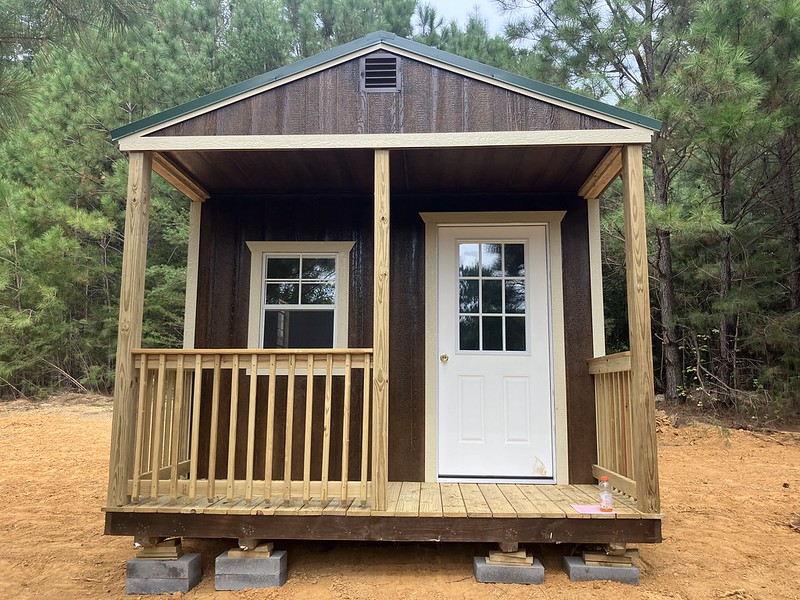
The West Hollow Reset Cabin is one of those places. It is simple, quiet, and set apart near the woods. It is for one person. It has no television. It is not designed around constant convenience. It is designed around space.

That does not mean harshness. It does not mean isolation without support. The Hub is nearby for the practical things a person needs. There is a place for a shower, bathroom, water, charging, simple kitchen use by arrangement, laundry for longer stays, and a quiet indoor sitting space.

But the cabin itself remains simple.

That simplicity matters.

When a place is too full, it can become one more version of the life a person is trying to step away from. Too many options. Too many comforts. Too many ways to stay distracted.

A simple cabin gives less to manage.

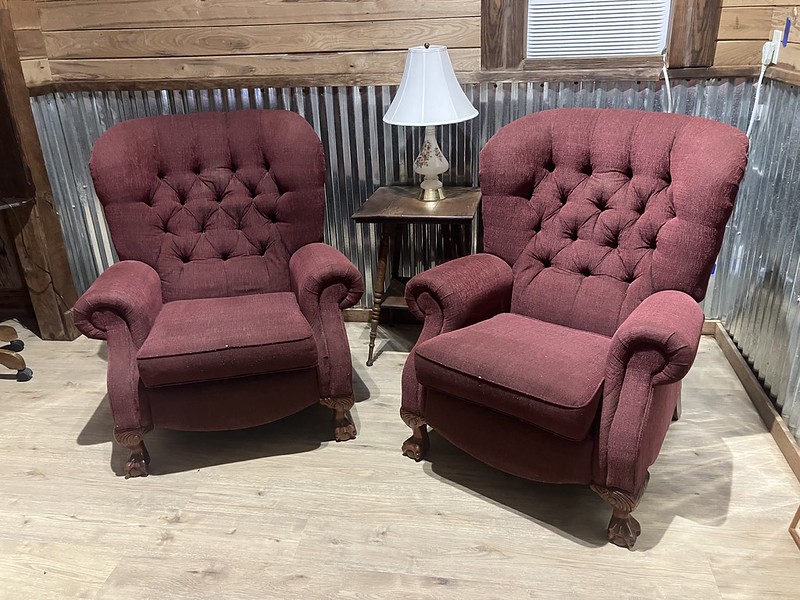
A chair.

A bed.

A stove.

A window.

A porch.

The woods.

A path back to the Hub when needed.

Enough, but not too much.

That is the spirit of a reset at Oak Hollow. Not escape from life forever. Not pretending responsibilities do not exist. Not running away from everything that must eventually be faced.

A reset is a pause.

A place apart.

A short season of quiet where a person can ask better questions.

What have I been carrying too long?

What have I stopped noticing?

What keeps making me tired?

What do I need less of?

What do I need more of?

What would it mean to return home a little clearer than when I arrived?

A place to think does not solve a life.

But it can give a person enough quiet to begin listening again.

That is what Oak Hollow Cabins hopes to offer.

Not a perfect place.

Not a polished resort.

Not an escape hatch.

A real place.

A simple place.

A place to think.

The Life You Keep Postponing

Sometimes a person already knows they need to pause.

They may not say it out loud.

They may not have a plan.

They may not know where they would go, what they would do, or how they would explain it to anyone else.

But somewhere underneath the daily noise, they know.

They need to stop for a little while.

Not forever.

Not dramatically.

Not to abandon their responsibilities.

Just long enough to breathe, think, rest, and hear themselves again.

But instead of stopping, they keep saying the same thing:

Later.

After this week.

After this season.

After things calm down.

After everyone else is okay.

After the next decision is made.

After the next bill is paid.

After the next problem is solved.

And somehow, later keeps moving.

Later Can Become a Way of Life

There is nothing wrong with postponing something for a good reason.

Life has real obligations.

People have work, families, bills, appointments, animals, parents, children, deadlines, and responsibilities that cannot always be set aside.

But sometimes postponing becomes more than a temporary delay.

Sometimes it becomes a way of living.

The pause keeps getting pushed forward.

The walk never happens.

The notebook stays closed.

The question never gets asked.

The quiet never gets protected.

The person keeps going, keeps responding, keeps carrying, keeps adjusting, keeps saying yes, keeps making it through.

And from the outside, everything may look fine.

But inside, something important may be waiting for attention.

What Gets Lost While We Keep Going

The cost of postponement is not always obvious.

It may not look like a crisis.

It may look like ordinary life.

A person keeps working.

Keeps answering messages.

Keeps showing up.

Keeps being needed.

Keeps scrolling at night because stillness feels too hard.

Keeps filling the day because emptiness might reveal something.

Keeps waiting for a better time to ask what they actually need.

But while life keeps moving, certain things can quietly disappear.

The ability to rest.

The ability to think without interruption.

The ability to notice what the body has been saying.

The ability to tell the truth about a season that is over.

The ability to make a decision from clarity instead of exhaustion.

The ability to remember that life is not only something to manage.

Sometimes the saddest thing is not that a person never had time.

It is that they kept waiting for time to give them permission.

A Reset Is Not a Cure-All

A reset stay does not fix a life.

It does not solve grief.

It does not make a hard decision easy.

It does not replace medical care, counseling, friendship, work, family, or responsibility.

A cabin cannot do that.

Quiet cannot do everything.

A few days away cannot answer every question.

That matters.

Oak Hollow is not built around promises like that.

A reset stay is simpler.

It is a temporary step away from ordinary noise.

It is a place where the day is not already crowded before it begins.

It is a place where a person can rest, read, write, walk, sit by a fire, cook simply, sleep, think, or do very little.

It is not everything.

But it is something.

One Concrete Step

Sometimes the most important thing about a pause is that it becomes real.

Not an idea.

Not a someday wish.

Not a sentence that begins, “One of these days…”

A real place.

A real date.

A real cabin.

A real morning without the usual demands.

A real evening without the usual noise.

That is why a reset stay can matter.

Not because it solves everything, but because it interrupts the pattern of never stopping.

For some people, that may mean a long weekend.

For others, a week.

For someone in a deeper transition, maybe longer.

The length is not the main point.

The main point is choosing not to postpone the pause forever.

While There Is Still Time

There will always be reasons to wait.

Some of them will be real.

Some will be habits wearing the clothes of responsibility.

Each person has to know the difference for themselves.

But there is a question worth asking:

If you keep postponing the quiet you already know you need, what will that cost you?

Not in money.

In attention.

In clarity.

In peace.

In the ability to hear your own life before another year passes.

Oak Hollow exists for people who are ready for a quieter step away.

Not because life is simple.

Because life is not simple.

Not because responsibilities do not matter.

Because they do.

Not because a reset stay is magic.

Because sometimes one concrete pause is better than another season of saying later.

The life you keep postponing may not require a complete reinvention.

It may begin with a few quiet days.

A bed.

A chair.

A fire.

A walk.

A notebook.

A little space to breathe.

And the decision to stop waiting for a perfect time that may never arrive.

Learn more about Reset Cabins at Oak Hollow

The Quiet Choice to Live With Less

Most of us have been trained to think of progress as addition.

More space. More furniture. More subscriptions. More bills. More noise. More choices. More things to manage.

And for a while, more can feel like success.

A bigger house can feel like proof that life is working. A newer vehicle can feel like proof that we are moving forward. A crowded calendar can feel like proof that we matter. A phone full of notifications can feel like proof that we are connected.

But at some point, many people begin to wonder whether all that “more” is actually helping.

Sometimes more space means more to clean. More stuff means more to store. More bills mean more pressure. More noise means less attention. More activity means less room to think.

That is one of the quiet ideas behind Oak Hollow Cabins.

We are not trying to create a luxury resort. We are not trying to impress people with excess. We are not trying to offer the loudest, busiest, most complicated version of country living.

We are trying to make room for something simpler.

At Oak Hollow, simple living does not mean doing without everything. It does not mean hardship for the sake of hardship. It does not mean pretending modern life does not exist.

It means asking a different question.

Not, “How much can I add?”

But, “What can I let go of so I can live more clearly?”

That question matters for someone looking for a small long-term cabin instead of a larger, more expensive place. It matters for someone considering a simple leased lot where they can place their own cabin and build a quieter life over time. It matters for someone who needs a few days alone at the West Hollow Reset Cabin, away from noise, screens, pressure, and performance.

In each case, the heart of the idea is the same.

A simpler space can help create a simpler life.

Not automatically. Not magically. A cabin will not solve every problem. A wooded setting will not erase every worry. A quieter place will not make every hard decision disappear.

But it can give a person room.

Room to breathe. Room to notice. Room to reset. Room to think. Room to begin again.

That is easy to underestimate.

Many people are not looking for more entertainment. They are tired of entertainment. Many are not looking for more stimulation. They already have too much stimulation. Many are not even looking for a vacation in the usual sense.

They are looking for a pause.

They are looking for a place where the mind can settle a little.They are looking for a place where the day does not have to be packed full.They are looking for a place where ordinary things can become enough again.

A cup of coffee. A quiet morning. A gravel path. A porch chair. A notebook. A simple meal. A fire in the evening. A walk through the trees. A night without constant background noise.

Those things may not sound impressive in a world trained to chase bigger experiences.

But they can be powerful.

Because sometimes the life we need is not waiting on the other side of more. Sometimes it begins when we stop adding, stop rushing, stop proving, and stop carrying so much that was never really necessary.

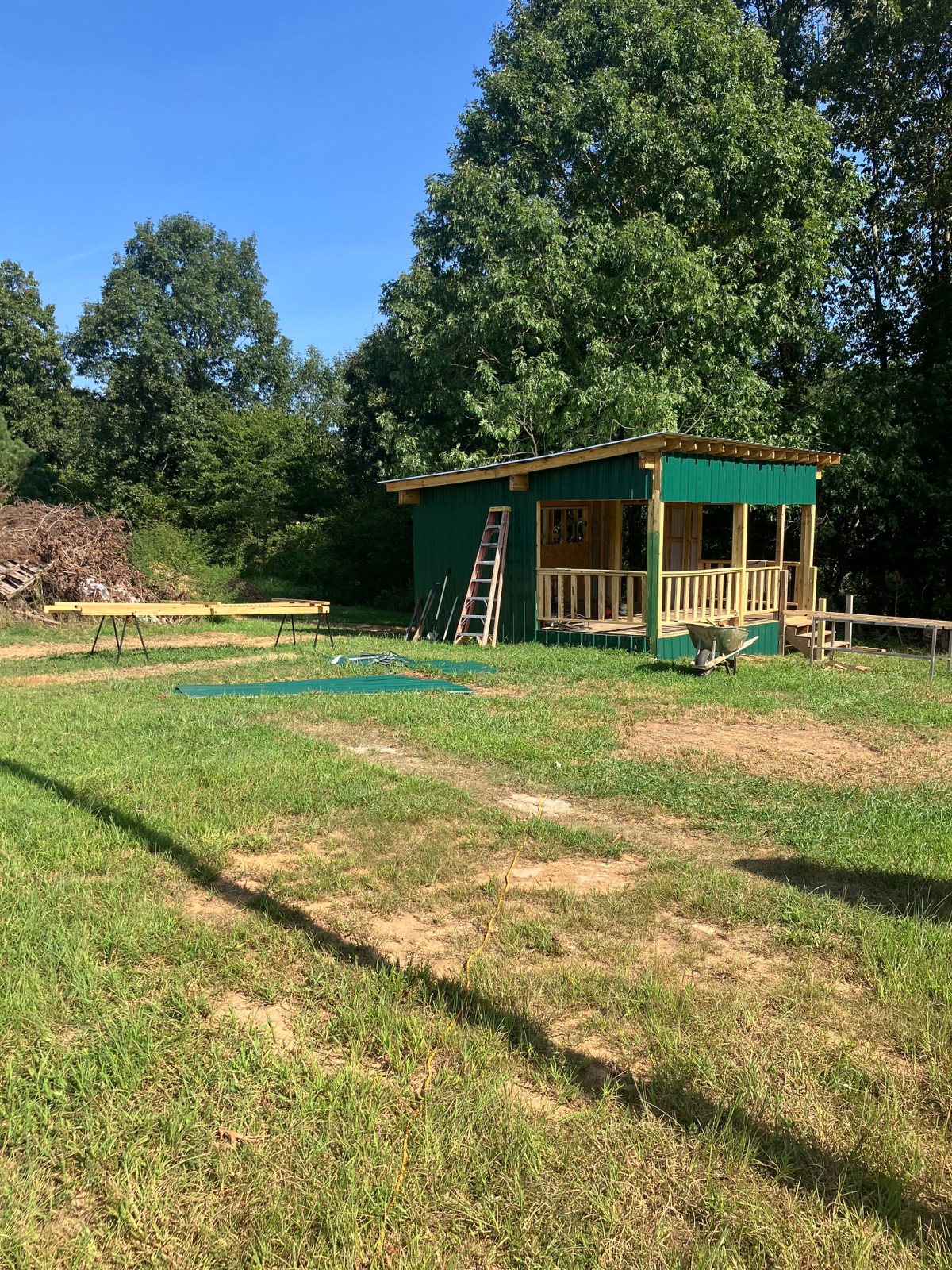
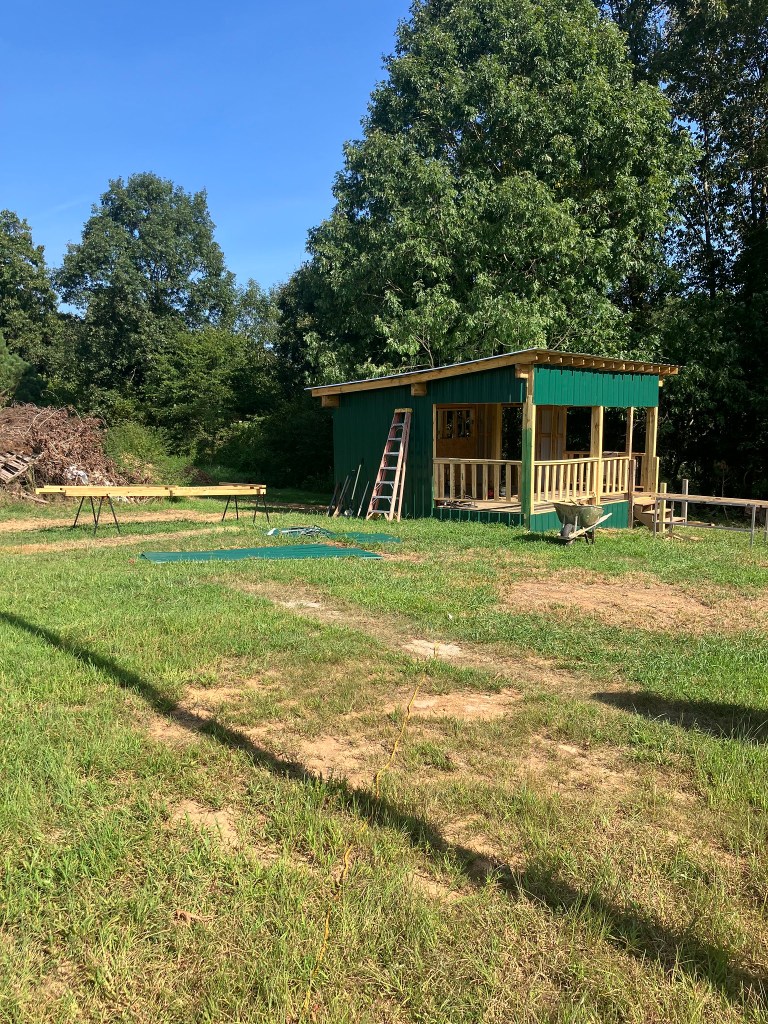
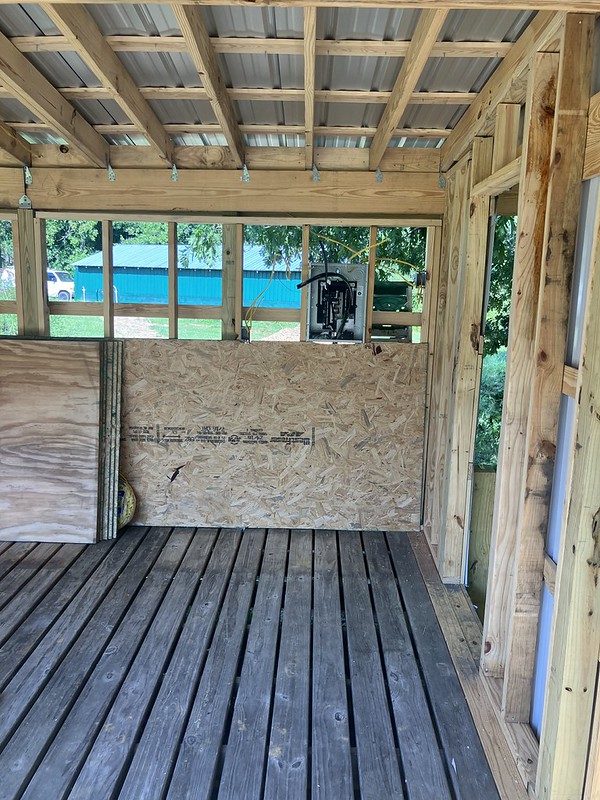
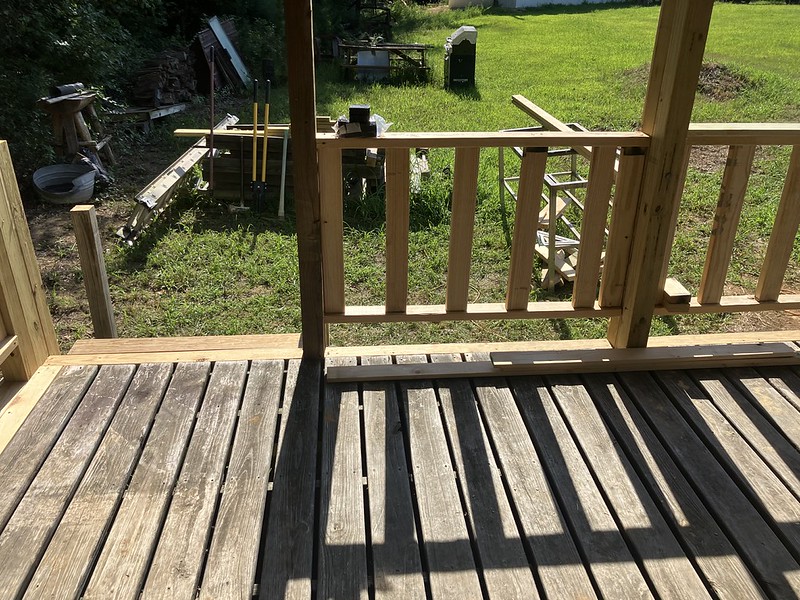
Oak Hollow Cabins is still taking shape. Some parts are finished. Some parts are still being built. The work is practical and ordinary: gravel, porches, paths, water, power, wood, tools, paint, repairs, cleanup, and small decisions made one at a time.

But beneath all of that work is a simple belief:

A place can help people live differently.

Not by telling them who to be.Not by giving them a script.Not by selling them a fantasy.

But by offering enough quiet, enough privacy, enough simplicity, and enough space for them to hear themselves again.

That is what we mean by simplify on purpose.

It is not about having nothing.

It is about noticing what is enough.

And sometimes enough is far quieter, smaller, and simpler than we were taught to believe.

The Difference Between Getting Away and Resetting

Most people understand the idea of “getting away.”

You leave the house. You pack a bag. You drive somewhere different. You change the scenery for a few days.

There is nothing wrong with that. Sometimes a short trip helps. Sometimes a different view, a quieter road, or a slower morning gives the mind a little breathing room.

But a reset is something different.

A reset is not mainly about escape. It is not about entertainment. It is not about filling a weekend with activity so you can return home exhausted and call it a break.

A reset is quieter than that.

A reset is the deliberate choice to step away from the noise long enough to notice what the noise has been doing to you.

That is the heart of the West Hollow Reset Cabin at Oak Hollow Cabins.

It is not designed as a vacation rental in the usual sense. It is not a party cabin, a family getaway, or a campground. It is a simple, private, one-person off-grid cabin for someone who needs quiet, privacy, and enough space to breathe again.

The cabin is intentionally simple.

No television. No constant background noise. No crowd. No schedule being pushed on You. No pressure to perform.

Just a small cabin, a bed, a desk, a chair, a wood stove, a porch, a fire ring, a walking path, and the woods around you.

For some people, that may sound like too little.

For the right person, it may be exactly enough.

We live in a culture that often treats tiredness as something to manage, not something to understand. We drink more coffee. Scroll more. Work harder. Buy something. Watch something. Plan something. Distract ourselves with something.

But sometimes the deeper need is not another distraction.

Sometimes the need is silence.

Sometimes the need is to sit still long enough to hear your own thoughts without immediately obeying them.

Sometimes the need is to walk without a podcast, cook a simple meal, read a few pages, write a few sentences, build a small fire, and remember that life does not have to be as complicated as it has become.

That is what we mean by reset.

A reset does not fix your life for you. It does not make decisions for you. It does not hand you a new identity or a five-step plan.

It gives you space.

And sometimes space is the beginning of clarity.

The West Hollow Reset Cabin is being prepared for one guest at a time because solitude matters. Not loneliness. Not isolation in a painful sense. But intentional solitude — the kind that lets a person step outside the constant expectations of ordinary life and ask, quietly and honestly:

What is wearing me down?

What do I keep carrying that I may not need to carry?

What have I been avoiding because I have not had enough quiet to face it?

What would a simpler next step look like?

A long weekend reset may be enough for someone who simply needs to stop, rest, and recover from the pressure of daily life.

A seven-day reset may be better for someone who wants time to read, write, think, walk, and let the nervous system settle.

A thirty-day reset may fit someone in a deeper transition — after loss, burnout, retirement, divorce, career change, spiritual change, or a season of not knowing what comes next.

The point is not to disappear from life.

The point is to return to life with a little more clarity.

Oak Hollow Cabins is built around a simple belief: not everyone needs more. Some people need less, but better. Less noise. Less pressure. Less hurry. Less performance. More attention. More quiet. More room to think. More honest contact with ordinary life.

That is why the West Hollow Reset Cabin exists.

It is a place for one person to step away, not to escape life, but to meet it more clearly.

Sometimes getting away is about changing location.

Resetting is about changing attention.

And that can begin in a small cabin, in the woods, with no demand except this one:

Slow down long enough to notice what is true.

Oak Hollow Is Becoming a Place for Resets

Oak Hollow Cabins is becoming clearer.

Not because the original idea has disappeared, but because the land, the work, the cabins, and the quiet have helped show us what this place is really meant to become.

Oak Hollow is not a subdivision.

It is not an apartment complex.

It is not a mobile home park.

It is not a campground.

It is not a vacation resort.

Oak Hollow Cabins is becoming a quiet rural place near Boaz, Alabama, for people who need a reset.

That is the center now.

Not long-term housing.

Not leased lots.

Not ordinary cabin rentals.

Resets.

A reset is not a vacation in the usual sense. It is not built around entertainment, sightseeing, noise, or convenience. It is a chance to step away from the normal pace of life long enough to slow down, breathe, think, walk, read, write, rest, and listen again.

Some people do not need more activity.

They need less noise.

They need space.

They need quiet.

They need a simple place where the day is not already filled before it begins.

That is what Oak Hollow is being shaped to offer.

Why Reset?

Modern life keeps many people moving faster than they know how to handle.

Work follows them home.

Phones fill every quiet space.

News, messages, errands, bills, family pressure, grief, transition, aging, burnout, and uncertainty can begin to crowd the mind.

Sometimes a person does not need a resort.

Sometimes a person does not need another weekend of entertainment.

Sometimes a person needs to step away from ordinary noise and recover the ability to pay attention.

That is what we mean by a reset.

A reset is not an escape from life.

It is a pause that may help a person return to life more clearly.

The West Hollow Reset Cabin

The first reset cabin at Oak Hollow is the West Hollow Reset Cabin.

It is small.

It is private.

It is off-grid.

It is designed for one person.

It has no electricity.

It has no running water.

It has no indoor plumbing.

It has an XL twin bed.

It has a wood stove inside.

It has an outside fire ring.

It has a private Hearth structure with a composting toilet.

For the wrong person, those details may sound like limitations.

For the right person, they are the point.

The West Hollow Reset Cabin is not trying to imitate a hotel room. It is not trying to provide every convenience. It is not trying to keep ordinary life running exactly as usual in a prettier setting.

It is trying to interrupt ordinary life just enough for quiet to return.

Water has to be carried.

Light has to be considered.

Heat has to be tended.

Food has to be prepared more slowly.

The phone does not have to govern the day.

The evening is allowed to become evening again.

That simplicity is not an accident.

It is part of the reset.

One Person at a Time

The West Hollow Reset Cabin is a one-person cabin by design.

That matters.

This is not a couple’s getaway.

It is not a family cabin.

It is not a party cabin.

It is not a place for a group retreat.

It is for one person who needs quiet.

One person who may be tired.

One person who may be grieving.

One person who may be in transition.

One person who may be approaching retirement and wondering what the next season should look like.

One person who may be recovering from burnout.

One person who may simply know that ordinary life has become too crowded.

A reset does not require a dramatic crisis.

Sometimes the need is quieter than that.

Sometimes a person simply needs room to think.

The Hub Makes the Simplicity Work

The West Hollow Reset Cabin is intentionally simple, but Oak Hollow is not designed to leave guests unsupported.

That is why the Hub matters.

The Hub provides the practical support that makes an off-grid reset workable.

Guests have access to a standard bathroom, shower, water, charging, simple kitchen use, laundry for longer stays, and a quiet indoor place to sit, read, write, or have coffee.

The cabin provides solitude.

The Hub provides support.

That combination is important.

Oak Hollow is not offering luxury.

It is not offering entertainment.

It is not offering a resort experience.

It is offering simplicity with support.

Fire, Food, and Slower Days

At the West Hollow Reset Cabin, ordinary things become part of the experience.

Making coffee.

Carrying water.

Starting a fire.

Preparing a simple meal.

Walking to the Hub.

Sitting outside.

Letting the evening come without filling it.

Inside the cabin, the wood stove provides warmth and may allow for simple cooking in the right circumstances. Outside, the fire ring gives the guest another way to prepare food, sit quietly, and let the day slow down.

A simple meal prepared this way changes the pace.

You cannot rush it the same way.

You have to notice the fire.

You have to wait.

You have to participate.

In ordinary life, food often becomes automatic. At Oak Hollow, a simple meal can become part of the reset.

Fire.

Food.

Warmth.

Time.

Attention.

For some people, that may be exactly what they need.

Three Reset Stays

Oak Hollow is being shaped around three possible reset stays.

The first is a Long Weekend Reset.

The idea is simple: arrive Friday afternoon and leave late Monday morning. That gives the guest Friday evening to arrive, all day Saturday and Sunday to settle into the quiet, and Monday morning to leave without a rushed Sunday checkout.

A normal weekend often ends just when the mind finally begins to slow down.

The Long Weekend Reset gives the quiet more room.

The second option is a 7-Day Reset.

A week gives a person time to move beyond the first layer of rest. The first day or two may simply be unwinding. After that, a quieter rhythm can begin to emerge: walking, reading, journaling, cooking simply, sitting by the fire, using the Hub when needed, and noticing what ordinary life usually keeps hidden.

The third option is a 30-Day Reset.

That is a deeper stay. It is not for everyone. But for the right person, thirty days may become a meaningful threshold between one season and the next.

A 30-Day Reset may fit someone in transition, recovering from burnout, grieving a loss, rethinking work, approaching retirement, or considering a simpler way to live.

The 30-Day Reset is not long-term housing.

It is not a rental arrangement.

It is a reset experience.

That distinction matters.

What Oak Hollow Is Not

Because the purpose is becoming clearer, it is also important to say what Oak Hollow is not.

Oak Hollow is not a vacation resort.

It is not a campground.

It is not a place for parties.

It is not a place for crowds.

It is not a long-term housing development.

It is not a leased-lot community.

It is not designed for people looking for maximum convenience.

Oak Hollow is for people who understand that quiet itself can be useful.

It is for people who are willing to live simply for a few days, a week, or a month.

It is for people who do not need everything made instant.

It is for people who are ready to step away from noise long enough to notice what remains.

A Place to Begin Again

Oak Hollow is still being built one step at a time.

That is part of the honesty of the place.

Some things are finished.

Some things are still being shaped.

Some things are being clarified as we work.

But the center is clearer now.

Oak Hollow Cabins is about Resets.

A quiet cabin.

A slower pace.

A simple stay.

A supported off-grid experience.

A place to step away.

A place to listen again.

A place to begin again.