
The Quiet Choice to Live With Less

Most of us have been trained to think of progress as addition.

More space. More furniture. More subscriptions. More bills. More noise. More choices. More things to manage.

And for a while, more can feel like success.

A bigger house can feel like proof that life is working. A newer vehicle can feel like proof that we are moving forward. A crowded calendar can feel like proof that we matter. A phone full of notifications can feel like proof that we are connected.

But at some point, many people begin to wonder whether all that “more” is actually helping.

Sometimes more space means more to clean. More stuff means more to store. More bills mean more pressure. More noise means less attention. More activity means less room to think.

That is one of the quiet ideas behind Oak Hollow Cabins.

We are not trying to create a luxury resort. We are not trying to impress people with excess. We are not trying to offer the loudest, busiest, most complicated version of country living.

We are trying to make room for something simpler.

At Oak Hollow, simple living does not mean doing without everything. It does not mean hardship for the sake of hardship. It does not mean pretending modern life does not exist.

It means asking a different question.

Not, “How much can I add?”

But, “What can I let go of so I can live more clearly?”

That question matters for someone looking for a small long-term cabin instead of a larger, more expensive place. It matters for someone considering a simple leased lot where they can place their own cabin and build a quieter life over time. It matters for someone who needs a few days alone at the West Hollow Reset Cabin, away from noise, screens, pressure, and performance.

In each case, the heart of the idea is the same.

A simpler space can help create a simpler life.

Not automatically. Not magically. A cabin will not solve every problem. A wooded setting will not erase every worry. A quieter place will not make every hard decision disappear.

But it can give a person room.

Room to breathe. Room to notice. Room to reset. Room to think. Room to begin again.

That is easy to underestimate.

Many people are not looking for more entertainment. They are tired of entertainment. Many are not looking for more stimulation. They already have too much stimulation. Many are not even looking for a vacation in the usual sense.

They are looking for a pause.

They are looking for a place where the mind can settle a little.They are looking for a place where the day does not have to be packed full.They are looking for a place where ordinary things can become enough again.

A cup of coffee. A quiet morning. A gravel path. A porch chair. A notebook. A simple meal. A fire in the evening. A walk through the trees. A night without constant background noise.

Those things may not sound impressive in a world trained to chase bigger experiences.

But they can be powerful.

Because sometimes the life we need is not waiting on the other side of more. Sometimes it begins when we stop adding, stop rushing, stop proving, and stop carrying so much that was never really necessary.

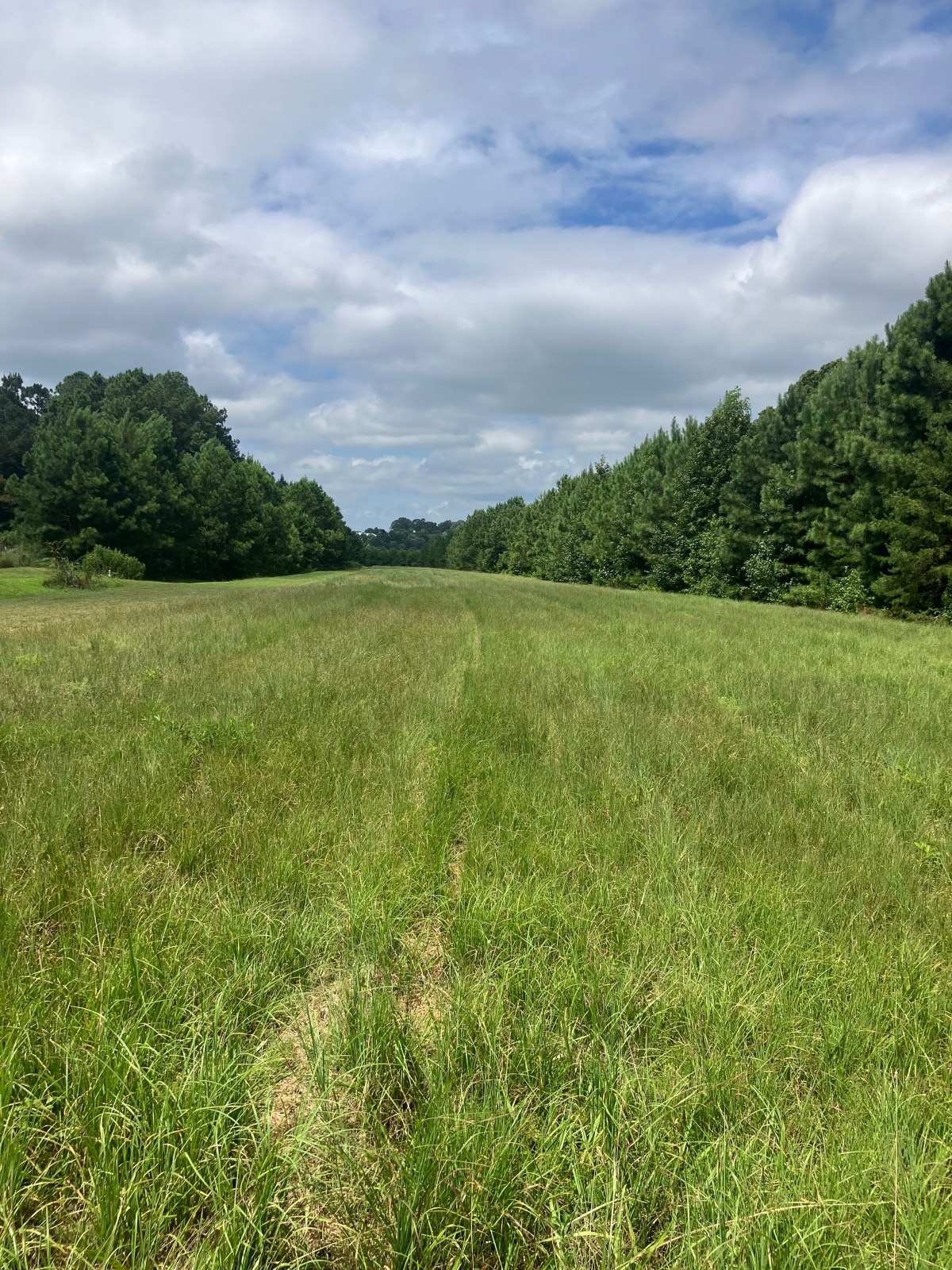
Oak Hollow Cabins is still taking shape. Some parts are finished. Some parts are still being built. The work is practical and ordinary: gravel, porches, paths, water, power, wood, tools, paint, repairs, cleanup, and small decisions made one at a time.

But beneath all of that work is a simple belief:

A place can help people live differently.

Not by telling them who to be.Not by giving them a script.Not by selling them a fantasy.

But by offering enough quiet, enough privacy, enough simplicity, and enough space for them to hear themselves again.

That is what we mean by simplify on purpose.

It is not about having nothing.

It is about noticing what is enough.

And sometimes enough is far quieter, smaller, and simpler than we were taught to believe.
The Oak Hollow Way – The Power of Returning to Your Senses

The Oak Hollow Way — Week 5

Most of us live our lives from the neck up.

We think, plan, worry, anticipate, analyze, rehearse. Our attention stays tethered to screens, schedules, conversations, and obligations. Even when we’re physically present, we’re often mentally elsewhere—reviewing the past or preparing for the next thing.

Over time, something subtle happens.

We lose contact with our senses.

Not completely, of course—we still see, hear, taste, touch—but only at a surface level. The senses become background noise instead of a doorway into being alive.

At Oak Hollow, one of the quiet intentions behind everything we’re building is this:

To help people return to their senses—and through them, return to themselves.


Why the Senses Matter More Than We Think

The senses are not luxuries.They are not embellishments to life.

They are how life actually arrives.

Before language, before goals, before beliefs, before stories about who we are or where we’re going, there is sensation:

  • light and shadow
  • warmth and cold
  • sound and silence
  • texture and movement
  • breath entering and leaving the body

When we lose contact with our senses, life becomes abstract. We start living about life instead of inside it.

Modern life quietly encourages this disconnection. Screens flatten experience. Artificial light blurs time. Noise crowds out subtlety. Speed bypasses awareness.

The result is not just stress or fatigue—it’s a kind of numbness.

Returning to the senses is how that numbness begins to dissolve.


Stillness Reawakens What Noise Dulls

When external noise falls away, the senses wake up.

Not dramatically at first—but unmistakably.

You notice how the air feels on your skin. You hear distance again. You taste food instead of consuming it. You feel the ground under your feet instead of rushing across it.

These aren’t spiritual achievements. They are biological responses.

Human beings evolved in environments where sensory awareness mattered—where listening, noticing, and attuning to subtle changes meant safety and survival. Our nervous systems still recognize this.

Quiet tells the body: you’re safe. Safety allows attention to soften. Soft attention lets sensation return.

This is one of the most understated but powerful shifts that happens when a person slows down long enough.


The Senses Anchor Us in the Present

The mind is always moving—forward, backward, sideways. The senses, by contrast, only exist now.

You can think about yesterday. You can plan tomorrow. But you can only feel the warmth of sunlight right now You can only hear the wind right now. You can only feel your breath right now.

This is why returning to the senses brings such immediate relief. It pulls attention out of mental noise and back into direct experience.

You don’t need to solve your life to feel your feet on the ground. You don’t need clarity to hear birds in the distance. You don’t need answers to notice your breathing slow.

Presence doesn’t require effort. It requires attention.


Why Nature Makes This Easier

Nature is patient.

It doesn’t demand anything from you. It doesn’t hurry you. It doesn’t compete for your attention.

A tree does not notify you. A creek does not interrupt you. The wind does not require a response.

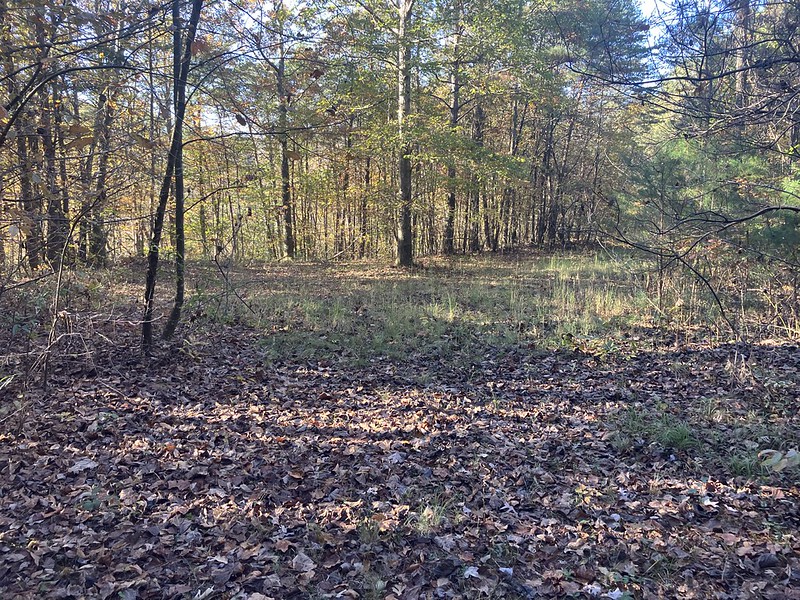
At Oak Hollow, the land itself does much of the teaching. The woods, the open spaces, the changing light, the quiet evenings—they invite your senses back online without instruction.

You begin to notice:

  • the difference between morning and evening light
  • how temperature shifts across the day
  • how silence has texture, not emptiness
  • how movement slows when there’s nowhere to rush

This isn’t escape. It’s re-entry.


Doing Less Allows You to Feel More

One of the great misconceptions of modern life is that meaning comes from doing more.

More productivity. More engagement. More stimulation. More accomplishment.

But sensation works the opposite way.

You feel more when you do less.

Less rushing creates space for noticing. Less noise makes subtle sounds audible. Less distraction allows depth to return.

This is why people often report feeling “more alive” during quiet walks, slow meals, or evenings without screens. Nothing extraordinary is happening—yet something essential is restored.

At Oak Hollow, we’re not trying to add experiences to people’s lives.

We’re trying to remove what blocks them.


The Quiet Intelligence of the Body

The body knows how to live in the present long before the mind does.

When attention returns to the senses:

  • breathing deepens without instruction
  • muscles release without effort
  • the nervous system downshifts
  • mental urgency softens

This isn’t a mindset shift. It’s a physiological one.

The body responds to safety, not slogans. Quiet, darkness, simplicity, and rhythm speak directly to it.

This is why returning to the senses feels restorative rather than demanding. You’re not learning something new—you’re remembering something old.


An Invitation to Practice—Anywhere

You don’t need a cabin, a trail, or a retreat to begin this.

Try this today:

  • Step outside and stand still for one full minute.
  • Feel the ground under your feet.
  • Listen for the most distant sound you can hear.
  • Notice the temperature on your skin.
  • Take three unhurried breaths.

That’s it.

No insight required. No goal to reach.

Just sensation.

In that moment, you are fully alive.

That is what Oak Hollow is being built to support on a deeper, longer scale: a way of living where your senses are no longer drowned out by noise, speed, and expectation.

Returning to your senses isn’t a retreat from life. It’s how you return to it.