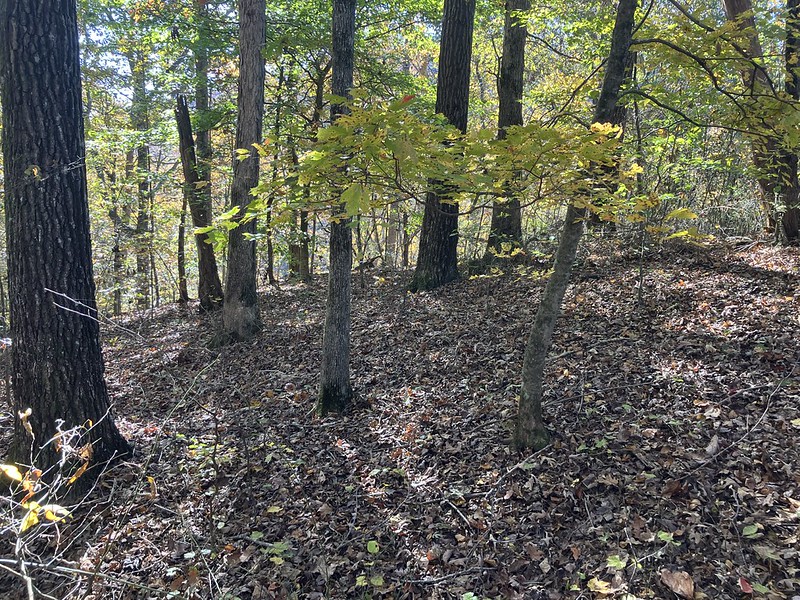
A Quiet Place to Step Away

Some people do not need a busy vacation.

They do not need a full schedule, a crowded place, another screen, or a long list of things to do.

They need quiet.

That is the simplest way to describe Oak Hollow Cabins.

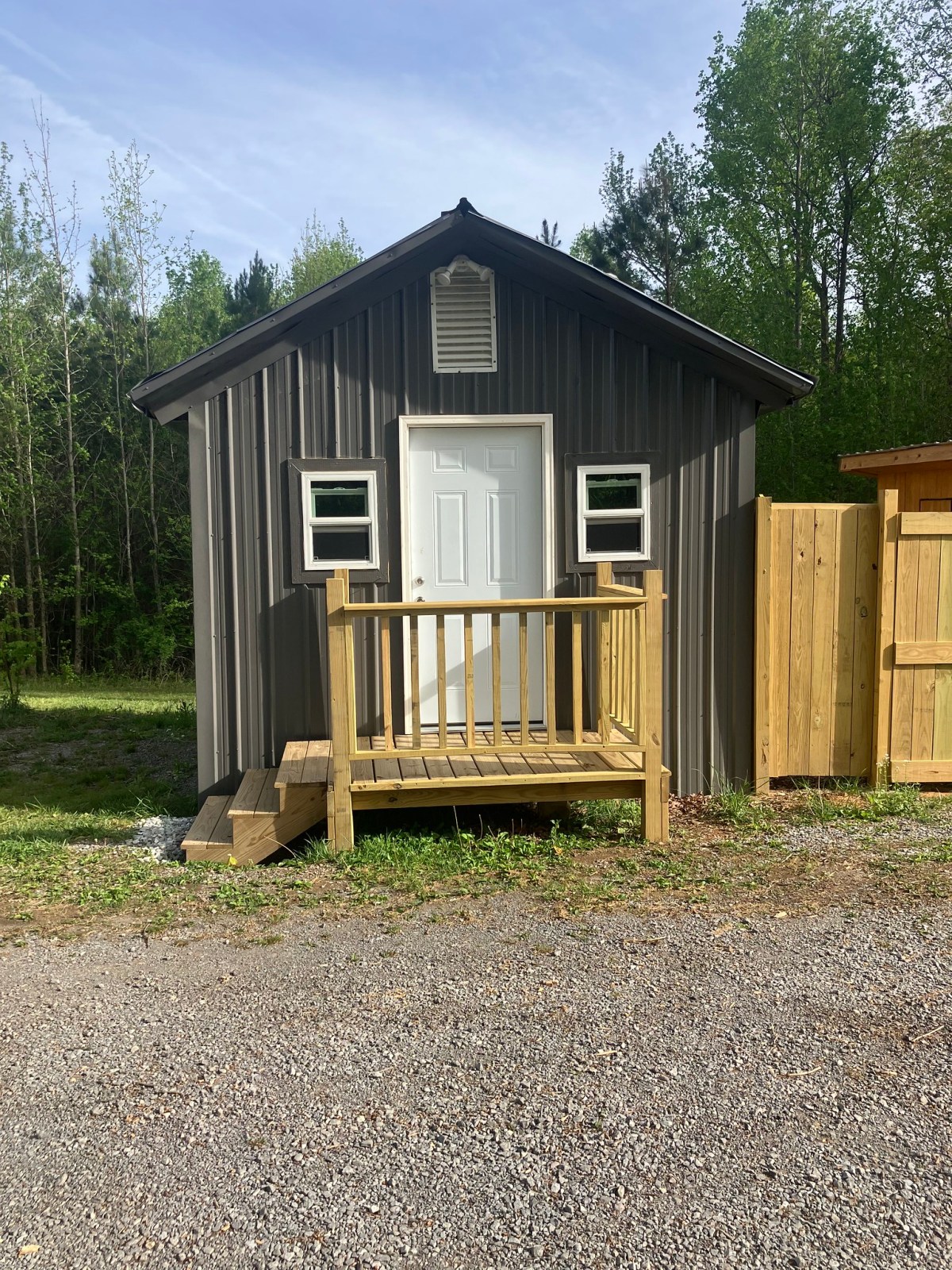
Oak Hollow now offers two private, one-person off-grid cabin stays near Boaz, Alabama: West Hollow and East Hollow. Both are designed for people who need quiet, simplicity, and time away from ordinary noise.

They are not conventional vacation rentals. They are not party cabins, couple’s getaways, family rentals, or luxury retreats. They are simple cabins for one person at a time.

They are for someone who wants to read, write, rest, think, walk, sit by the fire, sleep, journal, or spend a few days unavailable on purpose.

That may sound unusual because many places are built around adding more.

More entertainment.

More amenities.

More activity.

More connection.

More reasons to keep the mind busy.

Oak Hollow is built around less.

Less noise.

Fewer distractions.

A slower rhythm.

A place where the day does not have to be filled.

A stay at Oak Hollow is not meant to impress anyone. It is not meant to perform. It is not designed for crowds, photographs, or constant sharing.

It is meant to give one person a quiet place to step away for a short time.

The cabins are intentionally simple, though they are not identical. West Hollow is fully off-grid with no built-in electricity, no pressurized running water, no indoor bathroom, no Wi-Fi, and no TV. East Hollow remains simple and quiet, but it does have internal wiring powered by an external generator. Neither cabin is designed around screens, entertainment, or ordinary household convenience.

For some people, that will be too simple.

For others, that may be the point.

The quiet is not an accident. It is part of the stay.

Practical support is available by arrangement at the Hub, including bathroom, shower, water, charging, kitchen use, laundry, and indoor sitting or reading space. The Hub helps make the off-grid cabin stay livable without turning the cabins themselves into ordinary rooms filled with the usual distractions.

A quiet place does not solve everything.

It does not make decisions for a person. It does not remove grief, responsibility, work, fatigue, or whatever waits back home.

But quiet can create room.

Room to breathe.

Room to think.

Room to sleep.

Room to read a few pages without interruption.

Room to write a few sentences.

Room to remember what a slower day feels like.

That is what Oak Hollow is trying to offer.

Not a resort.

Not a campground.

Not a traditional vacation rental.

A quiet place to step away.

For one person.

For a few days.

For enough silence to begin again.

Both West Hollow and East Hollow are now listed on Vrbo for guests who prefer to view availability, photos, and booking details there. Guests may also learn more through the Oak Hollow Cabins website.

However someone finds us, the purpose remains the same.

A simple cabin.

A quiet setting.

One guest at a time.

A place to step away from the noise long enough to hear yourself think again.

A Place to Think

There are times when life becomes too full.

Too many responsibilities. Too much noise. Too many screens. Too many decisions. Too many people needing something. Too many days lived in the habit of being available.

At first, a person may not call it exhaustion. It may feel more ordinary than that. A little irritability. A little numbness. A little trouble sleeping. A little trouble listening. A little trouble remembering what matters when nobody is asking for anything.

But underneath all of that, there may be a quieter need.

Not a vacation.

Not entertainment.

Not another full schedule with a prettier view.

A place to think.

Oak Hollow Cabins was created around that need.

We are not building a finished resort. We are not trying to fill every hour for a guest. We are not offering a long list of amenities designed to keep a person distracted. Our reset cabins are simple on purpose.

A person comes to Oak Hollow to step away from the noise long enough to rest, read, walk, sit, notice, and begin listening again.

That kind of quiet can feel strange at first.

Most of us are used to reaching for something whenever there is a gap. A phone. A screen. A task. A conversation. A little more information. A little more productivity. Even rest can become another performance if we are not careful.

But a reset asks something different.

It asks a person to stop long enough to notice what has been buried under the noise.

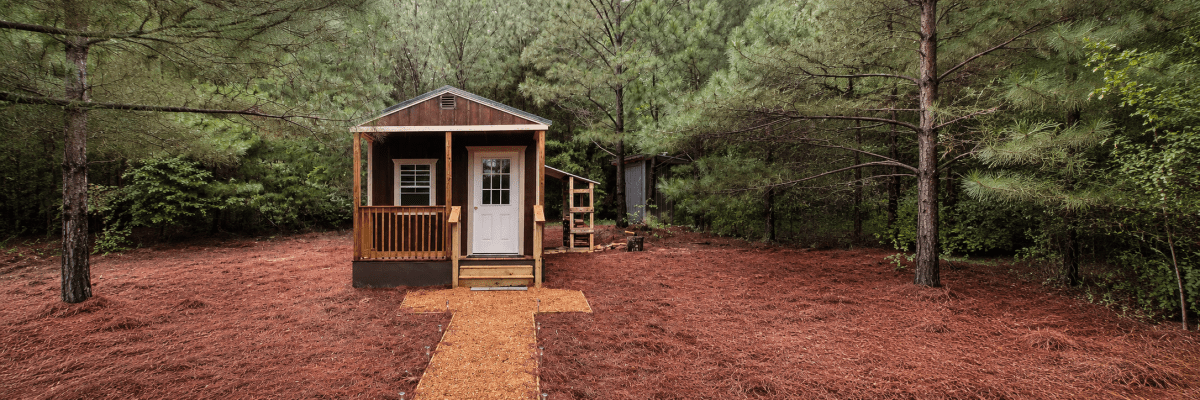
The West Hollow Reset Cabin is one of those places. It is simple, quiet, and set apart near the woods. It is for one person. It has no television. It is not designed around constant convenience. It is designed around space.

That does not mean harshness. It does not mean isolation without support. The Hub is nearby for the practical things a person needs. There is a place for a shower, bathroom, water, charging, simple kitchen use by arrangement, laundry for longer stays, and a quiet indoor sitting space.

But the cabin itself remains simple.

That simplicity matters.

When a place is too full, it can become one more version of the life a person is trying to step away from. Too many options. Too many comforts. Too many ways to stay distracted.

A simple cabin gives less to manage.

A chair.

A bed.

A stove.

A window.

A porch.

The woods.

A path back to the Hub when needed.

Enough, but not too much.

That is the spirit of a reset at Oak Hollow. Not escape from life forever. Not pretending responsibilities do not exist. Not running away from everything that must eventually be faced.

A reset is a pause.

A place apart.

A short season of quiet where a person can ask better questions.

What have I been carrying too long?

What have I stopped noticing?

What keeps making me tired?

What do I need less of?

What do I need more of?

What would it mean to return home a little clearer than when I arrived?

A place to think does not solve a life.

But it can give a person enough quiet to begin listening again.

That is what Oak Hollow Cabins hopes to offer.

Not a perfect place.

Not a polished resort.

Not an escape hatch.

A real place.

A simple place.

A place to think.

The Man Who Needed Three Quiet Days Before He Could Decide

Oak Hollow has two reset cabins.

They are not meant to be identical.

Each one offers quiet, simplicity, and a way to step back from the ordinary pressure of life. But each hollow has its own feel, its own rhythm, and its own kind of shelter.

This story begins in the West Hollow Reset Cabin.

West Hollow is the more off-grid of the two — simple, quiet, private, and intentionally limited. The cabin does not offer the usual conveniences people expect from a vacation rental. That is part of the point.

No television.
No full kitchen inside the cabin.
No running water in the cabin.
No ordinary household noise.

Just a small place in the woods, a bed, a chair, a porch, a window, a wood stove, nearby access to the Hearth, and the walk back toward the Hub when the guest needs water, a shower, charging, food prep, or an indoor place to sit for a while.

For some people, that would not be enough.

For him, it was exactly why he came.

He Was Not in Crisis

He did not come to Oak Hollow because his life had fallen apart.

That would have been easier to explain.

A crisis has a language people understand. A hospital room. A death. A divorce. A job loss. A visible rupture. Something happened, and now the person needs time.

But that was not his story.

His life still looked ordinary from the outside.

He answered messages.
He went to work.
He paid bills.
He kept appointments.
He said yes when people asked for help.
He kept showing up.

That was part of the problem.

Nothing had broken loudly enough to give him permission to stop.

But something in him had grown tired of continuing without listening.

For months, he had been carrying a decision he could not quite name. It showed up in small ways. A tightness before opening his email. A heaviness on Sunday evening. A strange irritation when someone asked, “What do you want to do?” A habit of reaching for the phone whenever the room got quiet.

He did not need entertainment.

He did not need a better vacation.

He did not need another weekend filled with driving, eating out, checking messages, and returning home more tired than when he left.

He needed enough quiet to hear what he already knew.

That is why he came for three days.

The First Evening

The first evening did not feel dramatic.

He parked, carried in a small bag, and stood for a few minutes without doing anything.

The West Hollow cabin was simple.

That was the first thing he noticed.

Not decorative simple.

Actually simple.

There was a place to sleep.
A place to sit.
A window facing the trees.
A porch where he could step outside without needing a reason.
A wood stove for cold weather.
Enough shelter to feel held, but not enough convenience to fill the hours for him.

He had brought a notebook, a book, coffee, a few simple meals, and more clothes than he needed.

He had also brought the questions he had been trying not to ask.

For a while he stood near the window and listened.

At first, he heard almost nothing.

Then he heard what the ordinary noise of his life had been covering.

The trees moving.
A bird calling.
The small sounds of the cabin settling.
His own breathing.
His own uneasiness.

Quiet did not immediately make him peaceful.

It made him aware.

That surprised him.

He had imagined that stepping away would feel like relief. And it did, partly. But it also made him restless. His mind kept reaching for the familiar things: the phone, the calendar, the next task, the old argument, the unfinished obligation.

He wanted to check something.

He wanted to know what time it was.

He wanted to make a list.

He wanted to turn the quiet into another project.

Instead, he sat on the porch until the light began to fade.

For the first time in a long time, nothing required an immediate answer.

The Hub Matters

Before dark, he walked back toward the Hub.

That walk mattered more than he expected.

The Hub was not just a convenience building. It was part of what made the reset workable.

The cabin gave him quiet.

The Hub gave him support.

At the Hub, he could get water. He could shower. He could charge his phone if he needed to. He could prepare something simple to eat. He could sit indoors for a while, read, or step out of the weather.

That balance mattered.

The reset was not hardship.

It was not pretending to be a pioneer.

It was not a test of how much inconvenience a person could tolerate.

It was a simple cabin with intentional limits, supported by a shared place that made those limits possible.

He made a small meal without turning supper into an event. Nothing elaborate. Nothing that required a kitchen full of tools. Just enough.

Then he walked back toward West Hollow.

The sky had shifted. The trees were darker now. The cabin waited quietly.

He realized something before he reached the porch.

At home, every room seemed to ask something of him.

Here, the cabin did not ask him to perform.

It only asked him to be there.

The First Morning

The next morning, he woke earlier than expected.

There was no rush in the room.

That felt strange.

At home, mornings had become a kind of launch. Coffee, phone, weather, headlines, email, one task before the next task, the day gathering speed before he had even noticed himself inside it.

Here, the morning did not start without him.

He stepped outside.

The air was cool enough to make him pay attention.

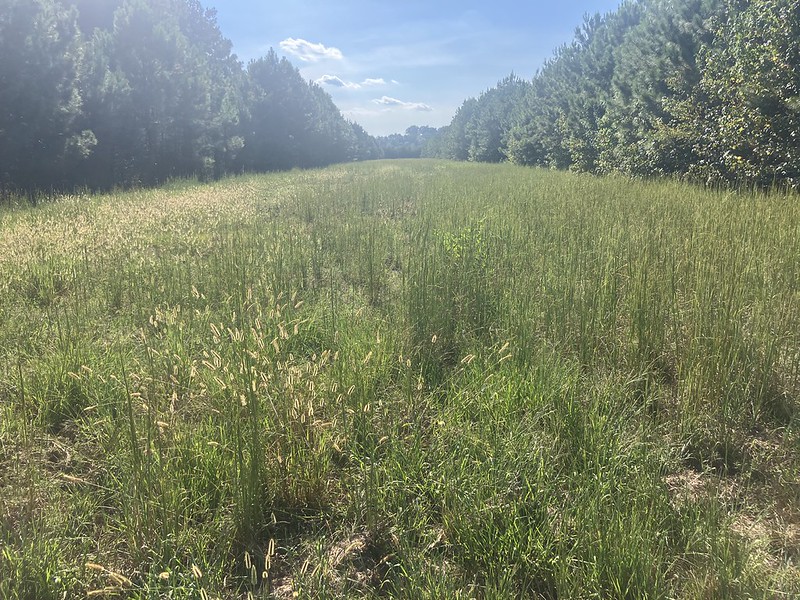
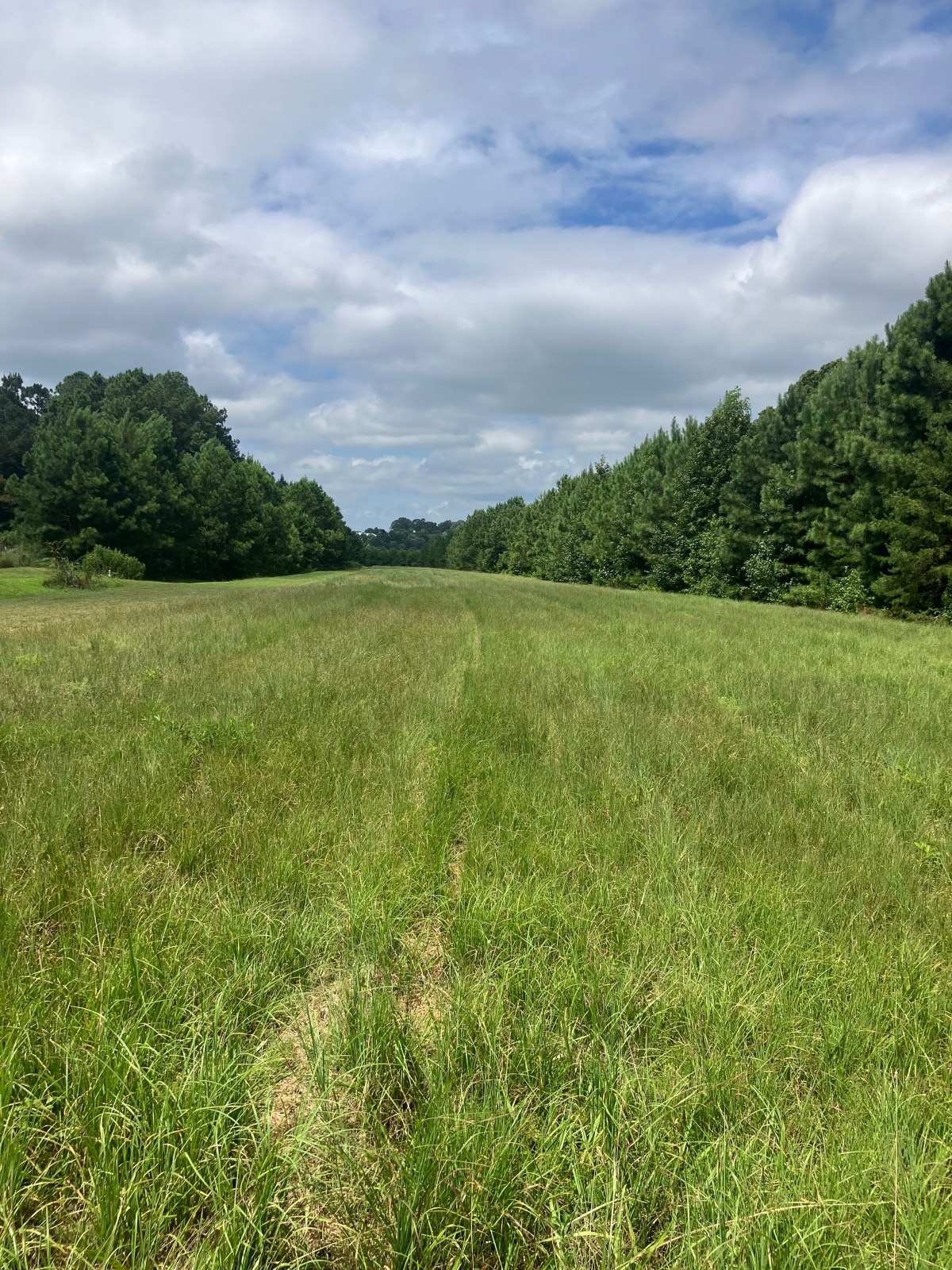
He walked toward the Meadow without calling it exercise. There was no route to finish, no time to beat, no fitness goal to track. He simply walked.

The openness of the Meadow changed the feel of the morning.

The cabin had given him shelter.
The trees had given him quiet.
The Meadow gave him room.

At first his thoughts kept moving in their usual circles.

Should I stay where I am?
Should I change direction?
Am I too old to begin again?
Am I being selfish?
What would people think?
What if I make the wrong choice?
What if I already made it years ago and have been pretending not to know?

He had brought those questions with him.

But walking changed their volume.

They were still there, but they no longer filled the whole sky.

By the time he returned to the cabin, he had not solved anything. But he had noticed something important.

Most of his fear was not about the decision itself.

It was about disappointing the version of himself other people had come to expect.

That sentence stayed with him.

He wrote it down.

The Second Day

The second day was quieter.

Not because his mind had gone silent.

It had not.

But something in him had stopped trying to force the stay to produce an answer.

He walked to the Hub again for water and a shower.

He prepared something simple.

He charged his phone, then turned it back off.

He sat for a while in the indoor quiet before returning to West Hollow.

That rhythm began to matter.

Cabin.
Porch.
Meadow.
Hub.
Notebook.
Simple meal.
Sleep.
Walking again.

Nothing about it was complicated.

That was the gift.

The fewer decisions the place asked of him, the more clearly he could hear the decision he had brought with him.

In the afternoon, he opened the notebook again.

This time he did not write a list of pros and cons.

Lists had been part of the problem. They made the decision seem like arithmetic. They let him pretend the answer would appear if he could only arrange the columns correctly.

Instead, he wrote one question at the top of the page:

What am I afraid would happen if I told the truth?

That question did not feel efficient.

It felt honest.

For several minutes, he wrote nothing.

Then the answers came slowly.

People might think I failed.
Someone might be disappointed.
I might lose the identity I have used for years.
I might not know who I am without the old role.
I might have to admit I stayed too long.
I might have to begin smaller than I wanted.

He read the list twice.

None of it surprised him.

That was how he knew it mattered.

The quiet had not given him new information. It had given him enough room to stop avoiding the information he already had.

The Third Morning

By the third morning, he still had not made a public decision.

He had not sent the email.
He had not announced a plan.
He had not explained anything to anyone.

But something had shifted.

The decision no longer felt like a storm he had to survive.

It felt like a truth he could approach.

He sat on the porch with his coffee and watched the light come through the trees.

He realized he had been asking the wrong question.

He had been asking, “What decision will make everyone comfortable?”

That question had no honest answer.

A better question had arrived slowly:

“What decision allows me to live without pretending?”

That was not a simple question.

It did not make the next step easy.

But it made the next step clearer.

And clarity was enough for now.

He packed slowly. He cleaned up behind himself. He stood for a moment at the door before leaving.

Nothing dramatic had happened.

No lightning bolt.
No grand revelation.
No perfect plan.

But he was leaving with one sentence he trusted more than all the noise he had brought with him:

I do not have to decide from inside the pressure.

That was the gift of three quiet days.


Why a Reset Helps

A reset does not make decisions for you.

It does not fix a life from the outside.

It does not remove responsibility, grief, uncertainty, or consequence.

But it can do something ordinary life often does not allow.

It can give you room.

Room to stop performing.
Room to notice what you are carrying.
Room to hear the question beneath the question.
Room to distinguish fear from truth.
Room to let the mind settle before asking it to choose.

Sometimes people do not need more advice.

Sometimes they do not need more information.

Sometimes they need distance from the pressure long enough to remember what honesty sounds like.

Oak Hollow is being shaped for that kind of pause.

Two reset cabins.
Two hollows.
One purpose.

Not escape.

Not entertainment.

Not a busy getaway dressed up as rest.

A reset.

A small, quiet place where a person can step away from the usual noise and listen for the next honest step.

Three days may not solve everything.

But sometimes three quiet days are enough to begin telling the truth.


Continue with Oak Hollow Cabins

Oak Hollow Cabins offers one-person reset stays near Boaz, Alabama.

The West Hollow Reset Cabin and East Hollow Reset Cabin are each shaped for quiet, simplicity, and a deliberate pause from ordinary demands.

A reset may be a long weekend, a week, or a longer stay.

The point is not to disappear from life.

The point is to return to it with more clarity.

The Oak Hollow Way: 70 Acres of Quiet: What the Hollow Teaches

The Oak Hollow Way — Week 6

Quiet is often misunderstood.

People tend to think of it as an absence—of sound, of activity, of stimulation. Something empty. Something neutral. Something you pass through on the way to something more interesting.

But spend enough time in a quiet place, and you discover something different:

Quiet is not empty. It is instructive.

At Oak Hollow, the land itself is part of the philosophy. Not as scenery, not as backdrop, but as teacher. The 70 acres aren’t designed to entertain or impress. They’re designed to slow you down—and in doing so, to show you things modern life rarely does.


The Hollow Doesn’t Demand Attention

One of the first lessons the land teaches is subtle but profound:

Nothing here is trying to get your attention.

There are no alerts. No notifications. No signage telling you what to do next. No curated experiences asking to be consumed.

The woods don’t compete. The fields don’t persuade. The trails don’t hurry you.

At first, this can feel disorienting. Many of us are accustomed to being pulled forward by external cues. When those cues disappear, the question arises:

What do I do now?

The hollow answers quietly: You notice.


Slower Landscapes Restore Natural Rhythm

Modern environments are designed for efficiency. Roads move us quickly. Buildings compress space. Artificial light erases natural cycles. Time becomes something to manage instead of something to inhabit.

The hollow works differently.

Light changes gradually. Sounds travel farther. Movement slows naturally. Distances are walked, not rushed.

Without trying, the land reintroduces rhythm—morning and evening, effort and rest, movement and stillness. You don’t need to schedule this rhythm. You fall back into it simply by being there.

This is one of the reasons quiet places feel restorative. They remind the body of a pace it recognizes.


The Land Reveals What the Mind Skips Over

When life is busy, attention becomes narrow. We focus on what’s necessary and skim over everything else. The hollow widens attention again.

You begin to notice:

  • how many kinds of silence exist
  • how wind sounds different at different times of day
  • how shadows shift across the same ground
  • how your own pace changes without instruction

Nothing dramatic is happening.And yet something fundamental is returning.

The land teaches through repetition, not revelation. Through consistency, not spectacle.

It doesn’t tell you what to think. It shows you how to see.


Quiet Makes Space for Inner Movement

In noisy environments, inner movement is often drowned out. Thoughts are interrupted. Feelings are postponed. Questions are deferred.

Quiet removes that buffer.

In the hollow, thoughts finish themselves. Emotions surface without distraction. Questions linger long enough to be felt rather than answered.

This can be uncomfortable at first. But it’s also clarifying.

The land doesn’t solve anything for you. It simply gives your inner life enough space to reorganize itself.

That reorganization often looks like:

  • clearer priorities
  • softened urgency
  • renewed creativity
  • deeper rest
  • honest self-assessment

These aren’t imposed. They emerge.


The Hollow Teaches Through Constraint

Seventy acres may sound expansive, but it’s also contained. You can walk it. Learn it. Become familiar with it. This balance—spacious but bounded—is important.

Unlimited choice overwhelms. Clear boundaries calm.

The hollow teaches that freedom doesn’t come from endless options. It comes from inhabiting a place deeply enough to stop scanning for alternatives.

When you’re not constantly deciding where else you could be, attention settles where you are.

This is one of the quiet gifts of the land.


Nothing Here Is Optimized

The hollow is not optimized for productivity, speed, or output.

Paths wander. Terrain varies. Weather matters. Time stretches.

This isn’t inefficiency It’s wisdom.

Life unfolds more fully when it isn’t forced into straight lines. When movement responds to conditions rather than ignoring them.

The land teaches adaptability without urgency—a skill modern life rarely cultivates.


Why Oak Hollow Was Built Around the Land

Oak Hollow wasn’t planned around buildings first. It was shaped around the land itself—its contours, its quiet, its natural flow.

The cabins, trails, and shared spaces exist within the hollow, not over it.

This matters.

When a place respects its land, the land teaches the people who spend time there. Not through instruction, but through experience.

You don’t leave with answers. You leave with perspective.


An Invitation to Listen

You don’t need seventy acres to learn these lessons.

Any quiet place can teach you—if you let it.

Stand somewhere without distraction. Notice what doesn’t ask for your attention. Let time pass without filling it.

The hollow simply makes this easier by removing the noise that usually prevents it.

Oak Hollow exists to protect that ease.

To preserve a kind of quiet that doesn’t disappear when you notice it. To offer a landscape that teaches without speaking. To remind you that clarity often arrives not through effort, but through listening.

This is what the hollow teaches—patiently, consistently, and without demand.

This is the Oak Hollow Way.