Maybe It Isn’t a Vacation You Need

Sometimes the word vacation does not quite fit.

A vacation can be good. There are times when people need travel, scenery, restaurants, events, family time, entertainment, or a change of place filled with things to do.

But not every tired person needs that kind of trip.

Some people do not need more activity.

They do not need a fuller schedule.

They do not need another place where the day has to be planned, photographed, shared, managed, or filled.

They need quiet.

That is one of the reasons Oak Hollow Cabins exists.

Oak Hollow is not trying to be a resort. It is not a campground, a party cabin, a family rental, or a conventional vacation place built around entertainment.

It is something simpler.

A quieter place to step away in North Alabama.

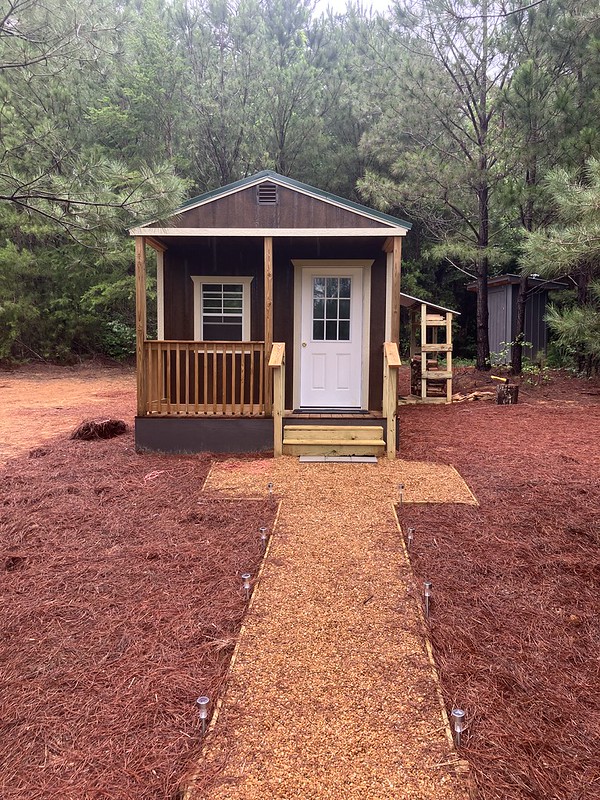
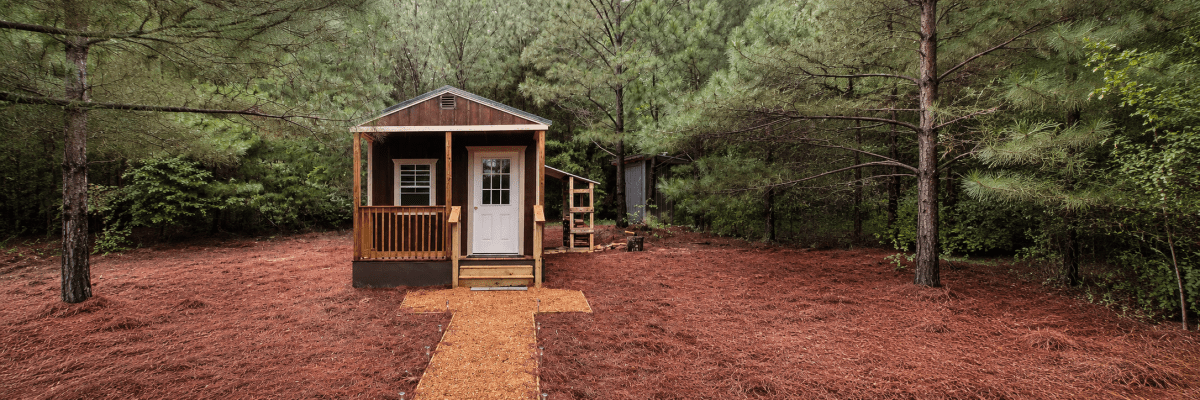
West Hollow and East Hollow are both one-person cabin stays near Boaz, Alabama. They are simple, private, and quiet on purpose. They are for people who may need a short time away from ordinary noise, pressure, screens, decisions, and the habit of being constantly available.

That need can be hard to name.

A person may only know she is tired.

Or restless.

Or stretched thin.

Or unable to think clearly.

Or tired of being needed.

Or tired of noise.

Or tired of living every day inside the same demands, the same rooms, the same screens, the same interruptions.

At first, she may think she needs a vacation.

But maybe what she really needs is a quieter day.

A place to sleep.

A place to read.

A place to sit without having to explain anything.

A place to write a few sentences.

A place to walk.

A place to sit by a fire.

A place where no one expects her to entertain, perform, host, manage, or respond right away.

That is a different kind of stay.

West Hollow may fit the person who needs a deeper reset — a simple, fully off-grid cabin for reading, writing, rest, thinking, and a few days away from ordinary convenience and noise.

East Hollow may fit someone who needs a quieter longer stay — still simple, still private, still for one person, but with internal wiring powered by an external generator and a more practical rhythm.

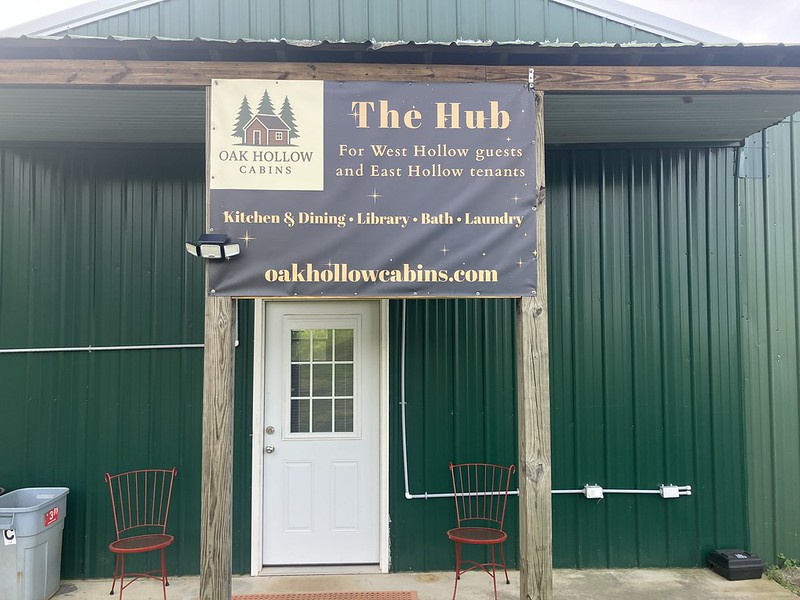
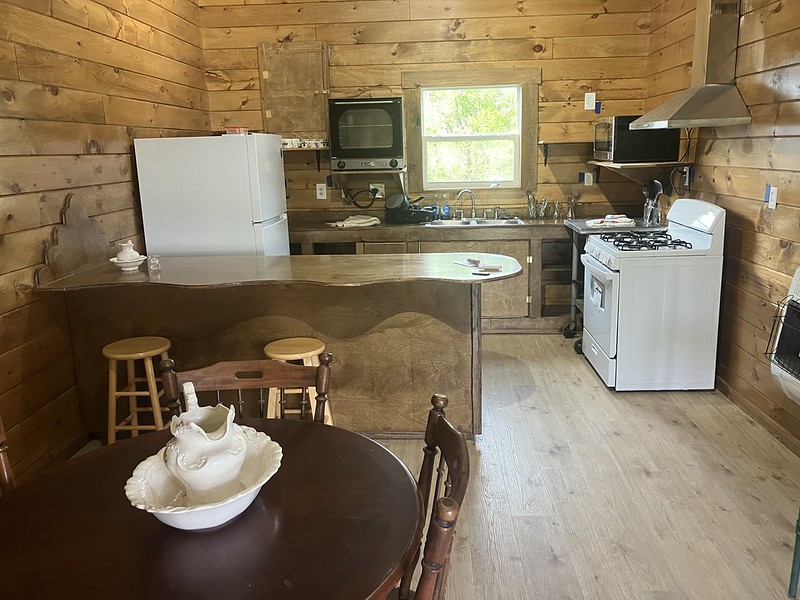
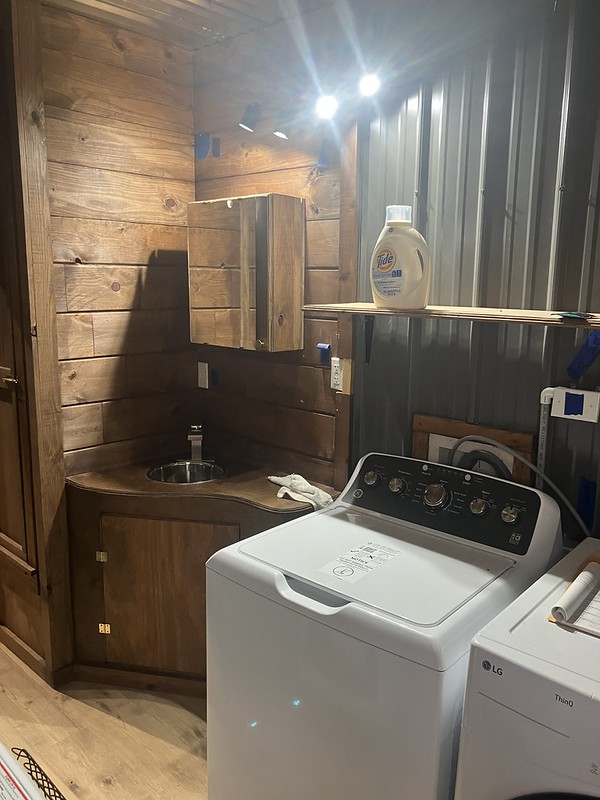
Both cabins are intentionally simple, but Oak Hollow is not meant to make ordinary needs unnecessarily difficult. The Hub provides practical support by arrangement, including bathroom, shower, water, charging, kitchen use, laundry, and indoor sitting or reading space.

The cabins themselves remain quiet.

That is the point.

No Wi-Fi in the cabin.

No television.

No crowd.

No full schedule.

No pressure to make the stay impressive.

Just a quieter place for one person to step away for a little while.

A quiet stay does not promise to solve a life.

It does not make decisions.

It does not erase responsibility.

It does not remove whatever waits back home.

But quiet can make room.

Room to breathe.

Room to sleep.

Room to notice what has been crowded out.

Room to remember what a slower day feels like.

Maybe it is not a vacation you need.

Maybe it is less than that.

And maybe, in another way, more.

A simple cabin.

A quiet setting.

One guest at a time.

Enough space to step away from the noise and hear yourself think again.

What Kind of Quiet Do You Need?

Not everyone needs the same kind of quiet.

That may seem obvious, but it has taken us some time to understand it clearly at Oak Hollow Cabins.

When we first began talking about resets, the word carried a simple meaning: a person steps away from ordinary noise for a short time. Less pressure. Fewer distractions. A slower day. A place to read, write, rest, think, walk, sit by the fire, or be unavailable on purpose.

That is still true.

But quiet can take more than one form.

Some people need deeper separation.

They may need a few days when ordinary convenience is reduced on purpose. No Wi-Fi. No television. No built-in electricity. No pressurized running water. No indoor bathroom. A cabin, a bed, a chair, a porch, a fire, and enough quiet for the mind to settle.

That is closer to West Hollow.

West Hollow is Oak Hollow’s clearest reset cabin. It is fully off-grid and simple in a way that asks something of the guest. It is not designed around entertainment, luxury, or constant convenience. It is designed for one person who wants to step farther away from ordinary life for a short time.

For the right person, that kind of simplicity is not a defect.

It is the invitation.

But not every person who needs quiet is looking for that kind of reset.

Some people may need a quieter place during a longer season.

They may be working a temporary assignment. They may be carrying responsibility day after day. They may not be looking for a vacation at all. They may simply need a private, simple place to return to at the end of the day.

A place to sleep.

A place to sit.

A place to read.

A place where the day does not have to keep shouting.

That may be closer to East Hollow.

East Hollow is also simple and quiet, but it has a different practical rhythm. It has internal wiring powered by an external generator, easier access, and a setup that may serve someone looking for a longer quiet stay rather than a deeper short reset.

Both cabins belong at Oak Hollow.

They are not identical, and that may be important.

West Hollow may be for the person who needs to step farther away from ordinary convenience for a few days.

East Hollow may be for the person who needs privacy, quiet, and simplicity during a longer temporary stay.

Both are for one person at a time.

Both are quiet on purpose.

Both are meant to reduce noise, not add more.

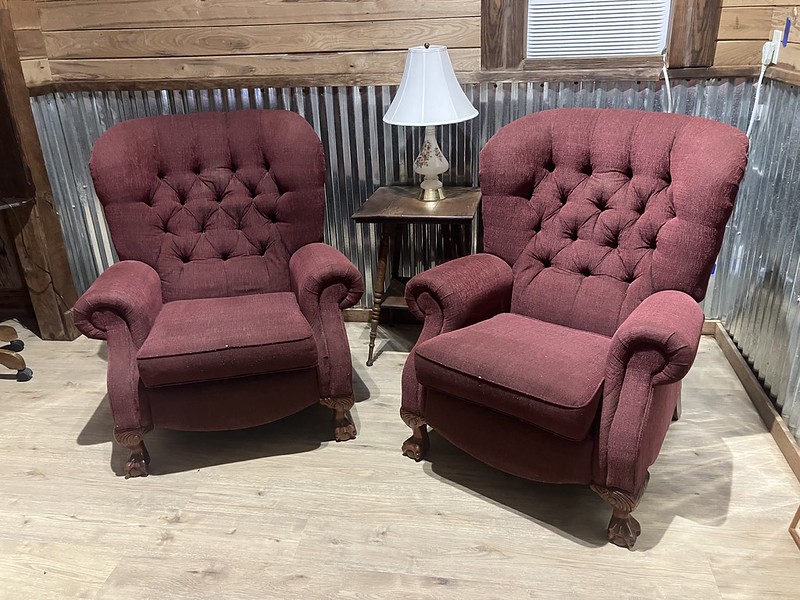
And both are supported by the Hub, where guests may have access by arrangement to practical needs such as bathroom, shower, water, charging, kitchen use, laundry, and indoor sitting or reading space. The cabins are simple, but they are not meant to make ordinary needs unnecessarily difficult.

So the question is not only, “Do I need a reset?”

The better question may be:

What kind of quiet do I need?

Do I need a few days with fewer conveniences and more separation?

Do I need a longer quiet stay during a demanding season?

Do I need to write?

Do I need to sleep?

Do I need to think?

Do I need to be alone without being lonely?

Do I need a place where nobody expects me to perform, explain, entertain, or be constantly available?

Oak Hollow does not answer those questions for anyone.

It simply offers a place where a person may have enough room to ask them.

That is the purpose.

Not a crowded vacation.

Not a resort.

Not a place built around noise.

A quieter place to step away.

For a few days.

For a longer quiet stay.

For one person at a time.

There is more than one kind of quiet.

The work is noticing which kind you need.

What Makes West Hollow a Reset Cabin

Not every cabin stay is trying to do the same thing.

Some cabins are built for entertainment.

Some are built for families.

Some are built for comfort, convenience, and a long list of amenities.

Some are built to make a trip feel full.

West Hollow was built for something quieter.

It is Oak Hollow’s clearest reset cabin.

That does not mean it is better than every other kind of cabin. It does not mean it is right for everyone. It simply means West Hollow has a particular purpose.

It is a simple one-person cabin for someone who needs less noise, fewer distractions, and a short time away from ordinary life.

West Hollow is not designed around screens, entertainment, or constant convenience. There is no Wi-Fi in the cabin. There is no television. There is no built-in electricity, no pressurized running water, and no indoor bathroom.

For some people, that will sound like too little.

For the right guest, it may be the reason to come.

A reset cabin is not meant to keep a person busy.

It is not meant to fill the day with activities.

It is not meant to replace one form of noise with another.

The purpose is almost the opposite.

West Hollow gives one person a place to read, write, rest, think, walk, sit on the porch, sit by the fire, sleep, journal, and spend a few days unavailable on purpose.

That kind of quiet can feel strange at first.

Most of us are used to being reachable. We are used to background sound. We are used to screens nearby, messages waiting, tasks unfinished, and some next thing asking for attention.

A reset cabin removes some of that.

Not everything.

But enough.

Enough to notice the silence.

Enough to notice the woods.

Enough to notice the fire.

Enough to notice how tired you are.

Enough to notice what has been crowded out.

West Hollow is intentionally simple, but it is not meant to be harsh. Practical support is available by arrangement at the Hub, including bathroom, shower, water, charging, kitchen use, laundry, and indoor sitting or reading space.

That balance matters.

The cabin itself remains quiet and simple. The Hub provides enough ordinary support to keep the stay livable. The point is not to make basic needs difficult. The point is to keep the cabin free from the usual distractions that follow a person almost everywhere.

Oak Hollow now has two cabins, West Hollow and East Hollow, and we are learning to describe them more clearly.

East Hollow has its own place. It is also quiet and simple, with internal wiring powered by an external generator. It may be better suited for a longer quiet stay or for someone who needs more practical convenience during a temporary season.

West Hollow is different.

West Hollow asks less of the world and a little more of the guest.

It asks whether a person can sit still for a while.

It asks whether a day can become smaller.

It asks whether quiet might have something to give.

A reset stay does not promise transformation. It does not solve a life. It does not make decisions for anyone. It does not erase responsibility, grief, pressure, fatigue, or whatever waits back home.

But it can create room.

Room to sleep.

Room to read.

Room to write.

Room to breathe.

Room to think without being interrupted every few minutes.

Room to remember what a slower life feels like, even if only for a few days.

That is what makes West Hollow a reset cabin.

Not luxury.

Not novelty.

Not entertainment.

Not a long list of amenities.

A simple place.

One guest.

A quieter rhythm.

A short time away from ordinary noise.

Sometimes that is enough to begin again.

What the Hub Adds to an Off-Grid Stay

An off-grid cabin can sound peaceful in theory and uncertain in practice.

The word may call up images of candlelight, silence, trees, and a slower rhythm. But it may also raise practical questions. Where do I shower? Where do I charge a phone? What about water? What if I need a bathroom, a sink, a little indoor space, or a place to sit for a while outside the cabin?

At Oak Hollow Cabins, we want the cabins to remain simple without making the stay feel barren.

That is where the Hub matters.

West Hollow and East Hollow are private one-person cabins designed for quiet, rest, reading, writing, thinking, walking, and time away from noise. They are intentionally simple. They are not conventional vacation rentals, party cabins, couple’s getaways, or fully furnished tiny houses.

Inside the cabin, there is no built-in electricity, no pressurized running water, no indoor bathroom, no Wi-Fi, and no TV.

That simplicity is part of the point.

But simplicity does not have to mean abandonment.

The Hub provides practical support by arrangement. It is the place where ordinary needs can be met without turning the cabin itself into another version of everyday life.

At the Hub, guests may have access by arrangement to bathroom and shower facilities, water, charging, kitchen use, laundry, and indoor sitting or reading space.

That matters because a quiet stay is not helped by unnecessary hardship.

The cabin should remove noise, not create confusion. It should reduce distraction, not make every simple need difficult. It should allow a person to step away from the usual pace of life without having to pretend the body does not still need practical care.

In that sense, the Hub helps protect the purpose of the cabins.

The cabin remains quiet.

The cabin remains simple.

The cabin remains free of television, Wi-Fi, and the ordinary pull of constant availability.

But nearby, by arrangement, there is support.

That balance is important.

Some people do not need a resort. They do not need entertainment, a schedule, a group program, or a full calendar of things to do. They may not even need much comfort in the usual vacation-rental sense.

They may simply need a private place to sleep, read, write, think, walk, sit on a porch, sit by a fire, and let the day become less crowded.

For that kind of stay, the Hub adds enough.

Enough water.

Enough practical support.

Enough access to ordinary necessities.

Enough reassurance that the off-grid cabin is not isolated from help.

Oak Hollow is not trying to hide what the cabins are. They are simple. They are one-person cabins. They are off-grid. They are not for everyone.

But for the right guest, that simplicity is not a deficiency.

It is the invitation.

And the Hub makes that invitation more livable.

It lets the cabin be what it is meant to be: a quiet place apart.

Not a place to be entertained.

Not a place to perform.

Not a place filled with screens and noise.

A place to step away for a while, with enough support nearby to make the quiet possible.


A Place to Think

There are times when life becomes too full.

Too many responsibilities. Too much noise. Too many screens. Too many decisions. Too many people needing something. Too many days lived in the habit of being available.

At first, a person may not call it exhaustion. It may feel more ordinary than that. A little irritability. A little numbness. A little trouble sleeping. A little trouble listening. A little trouble remembering what matters when nobody is asking for anything.

But underneath all of that, there may be a quieter need.

Not a vacation.

Not entertainment.

Not another full schedule with a prettier view.

A place to think.

Oak Hollow Cabins was created around that need.

We are not building a finished resort. We are not trying to fill every hour for a guest. We are not offering a long list of amenities designed to keep a person distracted. Our reset cabins are simple on purpose.

A person comes to Oak Hollow to step away from the noise long enough to rest, read, walk, sit, notice, and begin listening again.

That kind of quiet can feel strange at first.

Most of us are used to reaching for something whenever there is a gap. A phone. A screen. A task. A conversation. A little more information. A little more productivity. Even rest can become another performance if we are not careful.

But a reset asks something different.

It asks a person to stop long enough to notice what has been buried under the noise.

The West Hollow Reset Cabin is one of those places. It is simple, quiet, and set apart near the woods. It is for one person. It has no television. It is not designed around constant convenience. It is designed around space.

That does not mean harshness. It does not mean isolation without support. The Hub is nearby for the practical things a person needs. There is a place for a shower, bathroom, water, charging, simple kitchen use by arrangement, laundry for longer stays, and a quiet indoor sitting space.

But the cabin itself remains simple.

That simplicity matters.

When a place is too full, it can become one more version of the life a person is trying to step away from. Too many options. Too many comforts. Too many ways to stay distracted.

A simple cabin gives less to manage.

A chair.

A bed.

A stove.

A window.

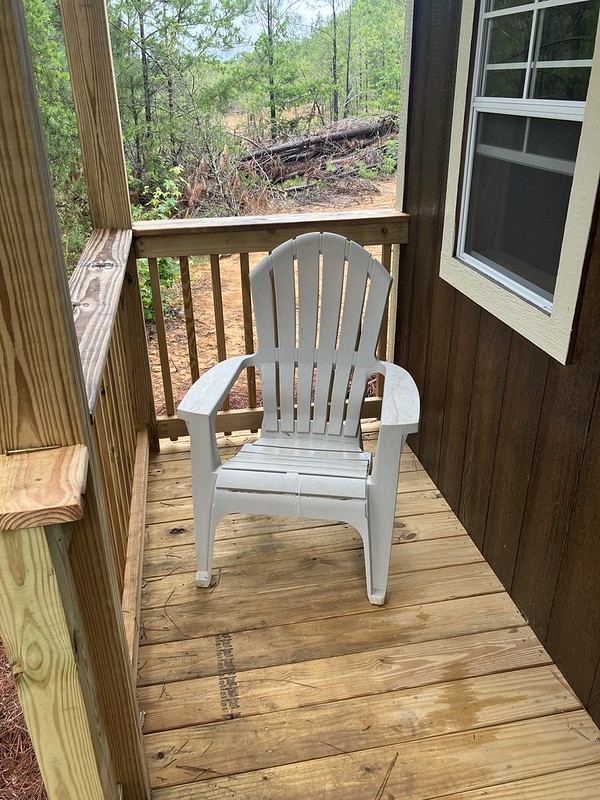
A porch.

The woods.

A path back to the Hub when needed.

Enough, but not too much.

That is the spirit of a reset at Oak Hollow. Not escape from life forever. Not pretending responsibilities do not exist. Not running away from everything that must eventually be faced.

A reset is a pause.

A place apart.

A short season of quiet where a person can ask better questions.

What have I been carrying too long?

What have I stopped noticing?

What keeps making me tired?

What do I need less of?

What do I need more of?

What would it mean to return home a little clearer than when I arrived?

A place to think does not solve a life.

But it can give a person enough quiet to begin listening again.

That is what Oak Hollow Cabins hopes to offer.

Not a perfect place.

Not a polished resort.

Not an escape hatch.

A real place.

A simple place.

A place to think.

The Man Who Needed Three Quiet Days Before He Could Decide

Oak Hollow has two reset cabins.

They are not meant to be identical.

Each one offers quiet, simplicity, and a way to step back from the ordinary pressure of life. But each hollow has its own feel, its own rhythm, and its own kind of shelter.

This story begins in the West Hollow Reset Cabin.

West Hollow is the more off-grid of the two — simple, quiet, private, and intentionally limited. The cabin does not offer the usual conveniences people expect from a vacation rental. That is part of the point.

No television.
No full kitchen inside the cabin.
No running water in the cabin.
No ordinary household noise.

Just a small place in the woods, a bed, a chair, a porch, a window, a wood stove, nearby access to the Hearth, and the walk back toward the Hub when the guest needs water, a shower, charging, food prep, or an indoor place to sit for a while.

For some people, that would not be enough.

For him, it was exactly why he came.

He Was Not in Crisis

He did not come to Oak Hollow because his life had fallen apart.

That would have been easier to explain.

A crisis has a language people understand. A hospital room. A death. A divorce. A job loss. A visible rupture. Something happened, and now the person needs time.

But that was not his story.

His life still looked ordinary from the outside.

He answered messages.
He went to work.
He paid bills.
He kept appointments.
He said yes when people asked for help.
He kept showing up.

That was part of the problem.

Nothing had broken loudly enough to give him permission to stop.

But something in him had grown tired of continuing without listening.

For months, he had been carrying a decision he could not quite name. It showed up in small ways. A tightness before opening his email. A heaviness on Sunday evening. A strange irritation when someone asked, “What do you want to do?” A habit of reaching for the phone whenever the room got quiet.

He did not need entertainment.

He did not need a better vacation.

He did not need another weekend filled with driving, eating out, checking messages, and returning home more tired than when he left.

He needed enough quiet to hear what he already knew.

That is why he came for three days.

The First Evening

The first evening did not feel dramatic.

He parked, carried in a small bag, and stood for a few minutes without doing anything.

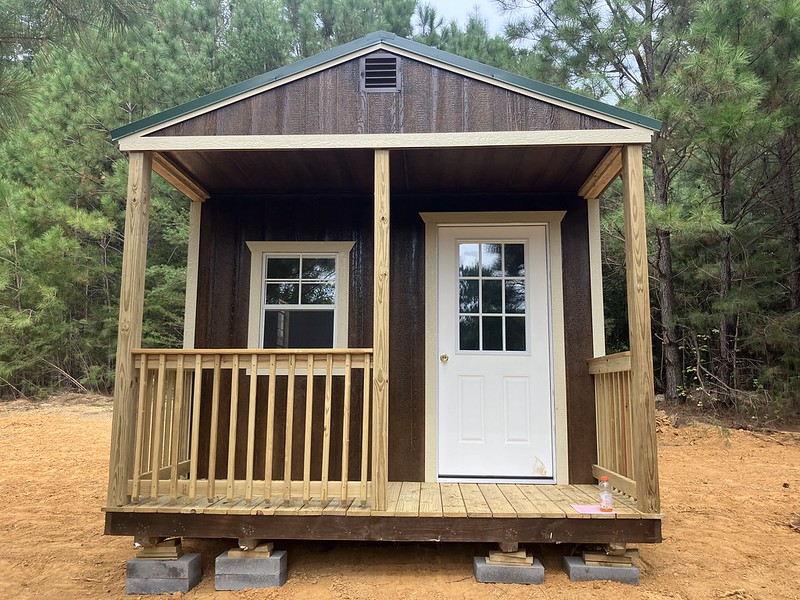
The West Hollow cabin was simple.

That was the first thing he noticed.

Not decorative simple.

Actually simple.

There was a place to sleep.
A place to sit.
A window facing the trees.
A porch where he could step outside without needing a reason.
A wood stove for cold weather.
Enough shelter to feel held, but not enough convenience to fill the hours for him.

He had brought a notebook, a book, coffee, a few simple meals, and more clothes than he needed.

He had also brought the questions he had been trying not to ask.

For a while he stood near the window and listened.

At first, he heard almost nothing.

Then he heard what the ordinary noise of his life had been covering.

The trees moving.
A bird calling.
The small sounds of the cabin settling.
His own breathing.
His own uneasiness.

Quiet did not immediately make him peaceful.

It made him aware.

That surprised him.

He had imagined that stepping away would feel like relief. And it did, partly. But it also made him restless. His mind kept reaching for the familiar things: the phone, the calendar, the next task, the old argument, the unfinished obligation.

He wanted to check something.

He wanted to know what time it was.

He wanted to make a list.

He wanted to turn the quiet into another project.

Instead, he sat on the porch until the light began to fade.

For the first time in a long time, nothing required an immediate answer.

The Hub Matters

Before dark, he walked back toward the Hub.

That walk mattered more than he expected.

The Hub was not just a convenience building. It was part of what made the reset workable.

The cabin gave him quiet.

The Hub gave him support.

At the Hub, he could get water. He could shower. He could charge his phone if he needed to. He could prepare something simple to eat. He could sit indoors for a while, read, or step out of the weather.

That balance mattered.

The reset was not hardship.

It was not pretending to be a pioneer.

It was not a test of how much inconvenience a person could tolerate.

It was a simple cabin with intentional limits, supported by a shared place that made those limits possible.

He made a small meal without turning supper into an event. Nothing elaborate. Nothing that required a kitchen full of tools. Just enough.

Then he walked back toward West Hollow.

The sky had shifted. The trees were darker now. The cabin waited quietly.

He realized something before he reached the porch.

At home, every room seemed to ask something of him.

Here, the cabin did not ask him to perform.

It only asked him to be there.

The First Morning

The next morning, he woke earlier than expected.

There was no rush in the room.

That felt strange.

At home, mornings had become a kind of launch. Coffee, phone, weather, headlines, email, one task before the next task, the day gathering speed before he had even noticed himself inside it.

Here, the morning did not start without him.

He stepped outside.

The air was cool enough to make him pay attention.

He walked toward the Meadow without calling it exercise. There was no route to finish, no time to beat, no fitness goal to track. He simply walked.

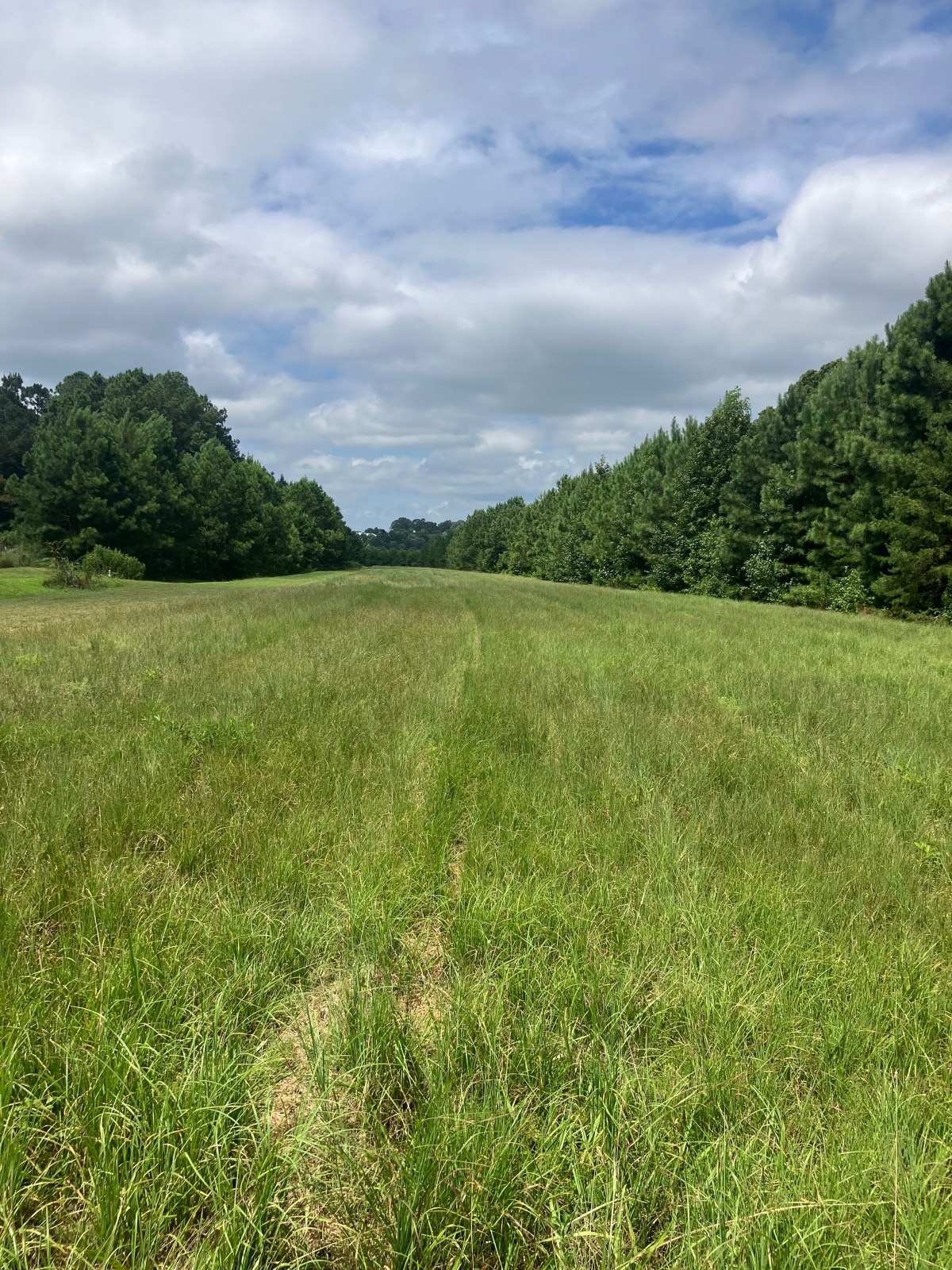
The openness of the Meadow changed the feel of the morning.

The cabin had given him shelter.
The trees had given him quiet.
The Meadow gave him room.

At first his thoughts kept moving in their usual circles.

Should I stay where I am?
Should I change direction?
Am I too old to begin again?
Am I being selfish?
What would people think?
What if I make the wrong choice?
What if I already made it years ago and have been pretending not to know?

He had brought those questions with him.

But walking changed their volume.

They were still there, but they no longer filled the whole sky.

By the time he returned to the cabin, he had not solved anything. But he had noticed something important.

Most of his fear was not about the decision itself.

It was about disappointing the version of himself other people had come to expect.

That sentence stayed with him.

He wrote it down.

The Second Day

The second day was quieter.

Not because his mind had gone silent.

It had not.

But something in him had stopped trying to force the stay to produce an answer.

He walked to the Hub again for water and a shower.

He prepared something simple.

He charged his phone, then turned it back off.

He sat for a while in the indoor quiet before returning to West Hollow.

That rhythm began to matter.

Cabin.
Porch.
Meadow.
Hub.
Notebook.
Simple meal.
Sleep.
Walking again.

Nothing about it was complicated.

That was the gift.

The fewer decisions the place asked of him, the more clearly he could hear the decision he had brought with him.

In the afternoon, he opened the notebook again.

This time he did not write a list of pros and cons.

Lists had been part of the problem. They made the decision seem like arithmetic. They let him pretend the answer would appear if he could only arrange the columns correctly.

Instead, he wrote one question at the top of the page:

What am I afraid would happen if I told the truth?

That question did not feel efficient.

It felt honest.

For several minutes, he wrote nothing.

Then the answers came slowly.

People might think I failed.
Someone might be disappointed.
I might lose the identity I have used for years.
I might not know who I am without the old role.
I might have to admit I stayed too long.
I might have to begin smaller than I wanted.

He read the list twice.

None of it surprised him.

That was how he knew it mattered.

The quiet had not given him new information. It had given him enough room to stop avoiding the information he already had.

The Third Morning

By the third morning, he still had not made a public decision.

He had not sent the email.
He had not announced a plan.
He had not explained anything to anyone.

But something had shifted.

The decision no longer felt like a storm he had to survive.

It felt like a truth he could approach.

He sat on the porch with his coffee and watched the light come through the trees.

He realized he had been asking the wrong question.

He had been asking, “What decision will make everyone comfortable?”

That question had no honest answer.

A better question had arrived slowly:

“What decision allows me to live without pretending?”

That was not a simple question.

It did not make the next step easy.

But it made the next step clearer.

And clarity was enough for now.

He packed slowly. He cleaned up behind himself. He stood for a moment at the door before leaving.

Nothing dramatic had happened.

No lightning bolt.
No grand revelation.
No perfect plan.

But he was leaving with one sentence he trusted more than all the noise he had brought with him:

I do not have to decide from inside the pressure.

That was the gift of three quiet days.


Why a Reset Helps

A reset does not make decisions for you.

It does not fix a life from the outside.

It does not remove responsibility, grief, uncertainty, or consequence.

But it can do something ordinary life often does not allow.

It can give you room.

Room to stop performing.
Room to notice what you are carrying.
Room to hear the question beneath the question.
Room to distinguish fear from truth.
Room to let the mind settle before asking it to choose.

Sometimes people do not need more advice.

Sometimes they do not need more information.

Sometimes they need distance from the pressure long enough to remember what honesty sounds like.

Oak Hollow is being shaped for that kind of pause.

Two reset cabins.
Two hollows.
One purpose.

Not escape.

Not entertainment.

Not a busy getaway dressed up as rest.

A reset.

A small, quiet place where a person can step away from the usual noise and listen for the next honest step.

Three days may not solve everything.

But sometimes three quiet days are enough to begin telling the truth.


Continue with Oak Hollow Cabins

Oak Hollow Cabins offers one-person reset stays near Boaz, Alabama.

The West Hollow Reset Cabin and East Hollow Reset Cabin are each shaped for quiet, simplicity, and a deliberate pause from ordinary demands.

A reset may be a long weekend, a week, or a longer stay.

The point is not to disappear from life.

The point is to return to it with more clarity.

The Difference Between Getting Away and Resetting

Most people understand the idea of “getting away.”

You leave the house. You pack a bag. You drive somewhere different. You change the scenery for a few days.

There is nothing wrong with that. Sometimes a short trip helps. Sometimes a different view, a quieter road, or a slower morning gives the mind a little breathing room.

But a reset is something different.

A reset is not mainly about escape. It is not about entertainment. It is not about filling a weekend with activity so you can return home exhausted and call it a break.

A reset is quieter than that.

A reset is the deliberate choice to step away from the noise long enough to notice what the noise has been doing to you.

That is the heart of the West Hollow Reset Cabin at Oak Hollow Cabins.

It is not designed as a vacation rental in the usual sense. It is not a party cabin, a family getaway, or a campground. It is a simple, private, one-person off-grid cabin for someone who needs quiet, privacy, and enough space to breathe again.

The cabin is intentionally simple.

No television. No constant background noise. No crowd. No schedule being pushed on You. No pressure to perform.

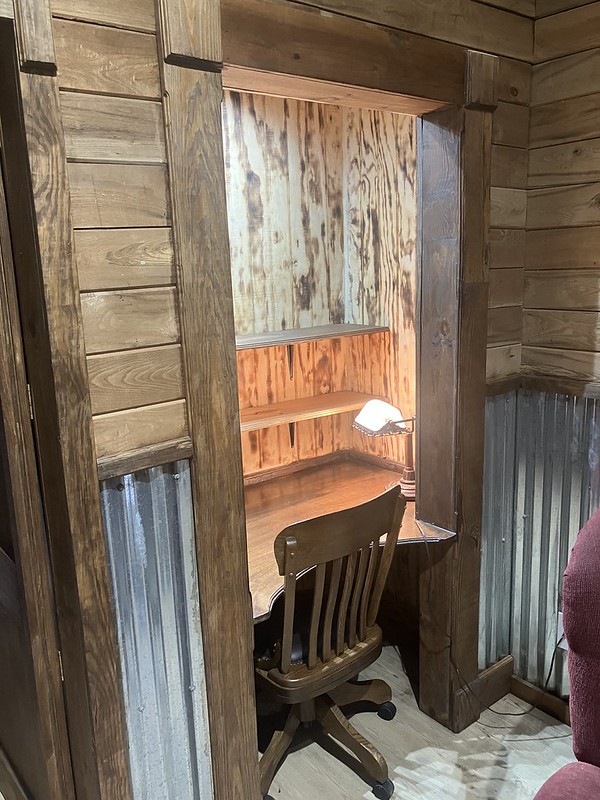
Just a small cabin, a bed, a desk, a chair, a wood stove, a porch, a fire ring, a walking path, and the woods around you.

For some people, that may sound like too little.

For the right person, it may be exactly enough.

We live in a culture that often treats tiredness as something to manage, not something to understand. We drink more coffee. Scroll more. Work harder. Buy something. Watch something. Plan something. Distract ourselves with something.

But sometimes the deeper need is not another distraction.

Sometimes the need is silence.

Sometimes the need is to sit still long enough to hear your own thoughts without immediately obeying them.

Sometimes the need is to walk without a podcast, cook a simple meal, read a few pages, write a few sentences, build a small fire, and remember that life does not have to be as complicated as it has become.

That is what we mean by reset.

A reset does not fix your life for you. It does not make decisions for you. It does not hand you a new identity or a five-step plan.

It gives you space.

And sometimes space is the beginning of clarity.

The West Hollow Reset Cabin is being prepared for one guest at a time because solitude matters. Not loneliness. Not isolation in a painful sense. But intentional solitude — the kind that lets a person step outside the constant expectations of ordinary life and ask, quietly and honestly:

What is wearing me down?

What do I keep carrying that I may not need to carry?

What have I been avoiding because I have not had enough quiet to face it?

What would a simpler next step look like?

A long weekend reset may be enough for someone who simply needs to stop, rest, and recover from the pressure of daily life.

A seven-day reset may be better for someone who wants time to read, write, think, walk, and let the nervous system settle.

A thirty-day reset may fit someone in a deeper transition — after loss, burnout, retirement, divorce, career change, spiritual change, or a season of not knowing what comes next.

The point is not to disappear from life.

The point is to return to life with a little more clarity.

Oak Hollow Cabins is built around a simple belief: not everyone needs more. Some people need less, but better. Less noise. Less pressure. Less hurry. Less performance. More attention. More quiet. More room to think. More honest contact with ordinary life.

That is why the West Hollow Reset Cabin exists.

It is a place for one person to step away, not to escape life, but to meet it more clearly.

Sometimes getting away is about changing location.

Resetting is about changing attention.

And that can begin in a small cabin, in the woods, with no demand except this one:

Slow down long enough to notice what is true.

Oak Hollow Is Becoming a Place for Resets

Oak Hollow Cabins is becoming clearer.

Not because the original idea has disappeared, but because the land, the work, the cabins, and the quiet have helped show us what this place is really meant to become.

Oak Hollow is not a subdivision.

It is not an apartment complex.

It is not a mobile home park.

It is not a campground.

It is not a vacation resort.

Oak Hollow Cabins is becoming a quiet rural place near Boaz, Alabama, for people who need a reset.

That is the center now.

Not long-term housing.

Not leased lots.

Not ordinary cabin rentals.

Resets.

A reset is not a vacation in the usual sense. It is not built around entertainment, sightseeing, noise, or convenience. It is a chance to step away from the normal pace of life long enough to slow down, breathe, think, walk, read, write, rest, and listen again.

Some people do not need more activity.

They need less noise.

They need space.

They need quiet.

They need a simple place where the day is not already filled before it begins.

That is what Oak Hollow is being shaped to offer.

Why Reset?

Modern life keeps many people moving faster than they know how to handle.

Work follows them home.

Phones fill every quiet space.

News, messages, errands, bills, family pressure, grief, transition, aging, burnout, and uncertainty can begin to crowd the mind.

Sometimes a person does not need a resort.

Sometimes a person does not need another weekend of entertainment.

Sometimes a person needs to step away from ordinary noise and recover the ability to pay attention.

That is what we mean by a reset.

A reset is not an escape from life.

It is a pause that may help a person return to life more clearly.

The West Hollow Reset Cabin

The first reset cabin at Oak Hollow is the West Hollow Reset Cabin.

It is small.

It is private.

It is off-grid.

It is designed for one person.

It has no electricity.

It has no running water.

It has no indoor plumbing.

It has an XL twin bed.

It has a wood stove inside.

It has an outside fire ring.

It has a private Hearth structure with a composting toilet.

For the wrong person, those details may sound like limitations.

For the right person, they are the point.

The West Hollow Reset Cabin is not trying to imitate a hotel room. It is not trying to provide every convenience. It is not trying to keep ordinary life running exactly as usual in a prettier setting.

It is trying to interrupt ordinary life just enough for quiet to return.

Water has to be carried.

Light has to be considered.

Heat has to be tended.

Food has to be prepared more slowly.

The phone does not have to govern the day.

The evening is allowed to become evening again.

That simplicity is not an accident.

It is part of the reset.

One Person at a Time

The West Hollow Reset Cabin is a one-person cabin by design.

That matters.

This is not a couple’s getaway.

It is not a family cabin.

It is not a party cabin.

It is not a place for a group retreat.

It is for one person who needs quiet.

One person who may be tired.

One person who may be grieving.

One person who may be in transition.

One person who may be approaching retirement and wondering what the next season should look like.

One person who may be recovering from burnout.

One person who may simply know that ordinary life has become too crowded.

A reset does not require a dramatic crisis.

Sometimes the need is quieter than that.

Sometimes a person simply needs room to think.

The Hub Makes the Simplicity Work

The West Hollow Reset Cabin is intentionally simple, but Oak Hollow is not designed to leave guests unsupported.

That is why the Hub matters.

The Hub provides the practical support that makes an off-grid reset workable.

Guests have access to a standard bathroom, shower, water, charging, simple kitchen use, laundry for longer stays, and a quiet indoor place to sit, read, write, or have coffee.

The cabin provides solitude.

The Hub provides support.

That combination is important.

Oak Hollow is not offering luxury.

It is not offering entertainment.

It is not offering a resort experience.

It is offering simplicity with support.

Fire, Food, and Slower Days

At the West Hollow Reset Cabin, ordinary things become part of the experience.

Making coffee.

Carrying water.

Starting a fire.

Preparing a simple meal.

Walking to the Hub.

Sitting outside.

Letting the evening come without filling it.

Inside the cabin, the wood stove provides warmth and may allow for simple cooking in the right circumstances. Outside, the fire ring gives the guest another way to prepare food, sit quietly, and let the day slow down.

A simple meal prepared this way changes the pace.

You cannot rush it the same way.

You have to notice the fire.

You have to wait.

You have to participate.

In ordinary life, food often becomes automatic. At Oak Hollow, a simple meal can become part of the reset.

Fire.

Food.

Warmth.

Time.

Attention.

For some people, that may be exactly what they need.

Three Reset Stays

Oak Hollow is being shaped around three possible reset stays.

The first is a Long Weekend Reset.

The idea is simple: arrive Friday afternoon and leave late Monday morning. That gives the guest Friday evening to arrive, all day Saturday and Sunday to settle into the quiet, and Monday morning to leave without a rushed Sunday checkout.

A normal weekend often ends just when the mind finally begins to slow down.

The Long Weekend Reset gives the quiet more room.

The second option is a 7-Day Reset.

A week gives a person time to move beyond the first layer of rest. The first day or two may simply be unwinding. After that, a quieter rhythm can begin to emerge: walking, reading, journaling, cooking simply, sitting by the fire, using the Hub when needed, and noticing what ordinary life usually keeps hidden.

The third option is a 30-Day Reset.

That is a deeper stay. It is not for everyone. But for the right person, thirty days may become a meaningful threshold between one season and the next.

A 30-Day Reset may fit someone in transition, recovering from burnout, grieving a loss, rethinking work, approaching retirement, or considering a simpler way to live.

The 30-Day Reset is not long-term housing.

It is not a rental arrangement.

It is a reset experience.

That distinction matters.

What Oak Hollow Is Not

Because the purpose is becoming clearer, it is also important to say what Oak Hollow is not.

Oak Hollow is not a vacation resort.

It is not a campground.

It is not a place for parties.

It is not a place for crowds.

It is not a long-term housing development.

It is not a leased-lot community.

It is not designed for people looking for maximum convenience.

Oak Hollow is for people who understand that quiet itself can be useful.

It is for people who are willing to live simply for a few days, a week, or a month.

It is for people who do not need everything made instant.

It is for people who are ready to step away from noise long enough to notice what remains.

A Place to Begin Again

Oak Hollow is still being built one step at a time.

That is part of the honesty of the place.

Some things are finished.

Some things are still being shaped.

Some things are being clarified as we work.

But the center is clearer now.

Oak Hollow Cabins is about Resets.

A quiet cabin.

A slower pace.

A simple stay.

A supported off-grid experience.

A place to step away.

A place to listen again.

A place to begin again.