When Every Small Decision Starts Feeling Heavy

Some days, the hardest decision is not the important one.

It is what to cook.

Whether to return the call now or later.

Which errand to run first.

Whether to answer the message.

Whether to keep working or stop for the day.

None of these decisions should feel especially difficult.

But they do.

You stand in front of the refrigerator longer than necessary.

You reread a short message several times before replying.

You postpone a simple purchase because comparing the choices feels exhausting.

Someone asks what you would like to do, and the question irritates you—not because they have done anything wrong, but because one more decision feels like one decision too many.

The problem may not be the size of the choice.

The problem may be how many choices you have already been carrying.

A life made of decisions

Modern life asks us to decide almost constantly.

What deserves attention?

What can wait?

Which message matters?

What should we buy?

Where should we go?

What should we believe?

How should we respond?

What information should we trust?

Which problem should we solve first?

Even things designed to make life easier often create more choices.

A grocery aisle offers thirty versions of the same item.

A television screen offers thousands of programs.

A phone holds messages, news, weather, work, photographs, appointments, advertising, entertainment, and other people’s opinions—all waiting to be sorted.

Each decision may be small.

But small decisions accumulate.

By late afternoon, choosing what to eat can feel strangely important. A routine interruption can feel like a personal offense. A question that would normally require ten seconds can remain unanswered for hours.

You may begin to wonder what is wrong with you.

Nothing may be wrong with you.

You may simply be full.

Functioning can hide exhaustion

Decision fatigue does not always look dramatic.

You may still be doing what needs to be done.

You get up.

Go to work.

Keep appointments.

Pay bills.

Care for someone.

Answer enough messages to keep things moving.

From the outside, you appear capable.

You may even appear calm.

But internally, you have less room than you once did.

You notice it when someone changes the plan.

You notice it when the phone rings unexpectedly.

You notice it when two ordinary tasks need attention at the same time.

You notice it when you finally have a free hour and cannot decide how to use it.

The mind that has spent all day sorting, prioritizing, anticipating, remembering, and responding may not experience free time as freedom.

It may experience free time as one more thing to manage.

The important decision becomes harder too

Perhaps you are also carrying a larger question.

Should you change jobs?

Should you move?

Should you remain in a relationship?

Should you say yes to a responsibility?

Should you step away from one?

How should you respond to a change in your family?

What should the next season of your life look like?

You keep thinking about the question because it matters.

But the more you think, the less certain you become.

You make a list.

Talk to someone.

Search online.

Make another list.

Imagine one future, then another.

Every possibility creates more consequences to evaluate.

Eventually, the question becomes surrounded by so much noise that you can no longer tell which part of your thinking is wisdom and which part is exhaustion.

You may believe you need more information.

Sometimes you do.

But sometimes you need fewer inputs.

Quiet reduces the number of demands

A quiet reset does not make difficult decisions disappear.

It does not guarantee certainty.

It does not prevent consequences.

What it can do is temporarily reduce the number of other things asking something from you.

At Oak Hollow, a guest does not have to choose among a long list of attractions.

There is no entertainment schedule to manage.

No crowded lobby.

No television in the cabin insisting that something else deserves attention.

The day can become smaller.

Wake up.

Prepare coffee.

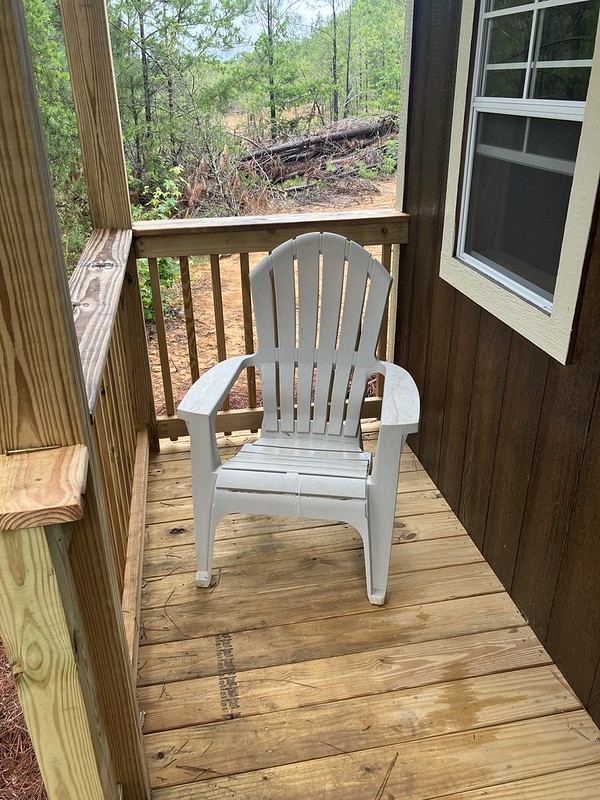
Sit on the porch.

Walk through the Meadow.

Read a few pages.

Eat when hungry.

Rest when tired.

Go to the Hub for a shower or to prepare a simple meal.

Watch evening settle through the trees.

The choices do not vanish.

But there are fewer of them.

That reduction matters.

When fewer decisions compete for attention, the larger question may stop feeling as tangled.

Or it may reveal that it does not need to be decided yet.

Not every question requires an immediate answer

Pressure often disguises itself as urgency.

You feel uncomfortable, so you assume you must resolve the discomfort quickly.

You do not know what to do, so you demand an answer from yourself.

You fear making the wrong choice, so you keep the question active every waking hour.

But constant consideration is not always careful thinking.

Sometimes it is simply mental repetition.

A reset may allow you to place the decision down for a few hours.

Not abandon it.

Not avoid it forever.

Just stop carrying it every minute.

You may write the question in a notebook and close the cover.

You may walk without rehearsing every possible outcome.

You may let one evening pass without asking what you have decided.

The question will still be there tomorrow.

But you may meet it with a mind that has been permitted to rest.

The decision beneath the decision

Quiet sometimes reveals that the visible choice is not the deepest one.

The question may appear to be:

Should I leave this job?

But beneath it may be:

How long am I willing to live this tired?

The question may appear to be:

Should I move?

But beneath it may be:

What kind of daily life am I trying to create?

The question may appear to be:

How can I keep everyone satisfied?

But beneath it may be:

Why do I believe everyone else’s disappointment is mine to prevent?

The first question asks for a decision.

The deeper question asks for honesty.

Honesty is difficult to hear when every hour is crowded.

That is one reason quiet can help.

You may be tired of choosing

There is a difference between not knowing what you want and being too tired to identify it.

There is a difference between being irresponsible and having reached the limit of your attention.

There is a difference between avoiding a decision and recognizing that you are not in the best condition to make it.

You may not need another opinion today.

You may not need another list.

You may not need to search for another answer.

You may need a day with fewer questions.

A meal that does not require much planning.

A walk without a destination.

A chair beside a window.

A night of sleep before asking yourself what comes next.

Begin by making life smaller

When everything feels heavy, do not begin by solving everything.

Begin by reducing what must be carried now.

What can wait until tomorrow?

What information can you stop consuming?

Which conversation does not require an immediate reply?

What task can remain unfinished?

What question can be written down instead of mentally rehearsed?

What would make this one day simpler?

These are small reductions.

But a reset often begins there.

Not with a dramatic escape.

Not with a perfect answer.

With less.

Less input.

Less obligation.

Less performance.

Fewer decisions for a little while.

Enough quiet for the mind to stop sorting everything at once.

A place where fewer things are required

Oak Hollow cannot make an important decision for you.

That is not what a reset cabin is for.

It can offer a temporary place where fewer other decisions must be made.

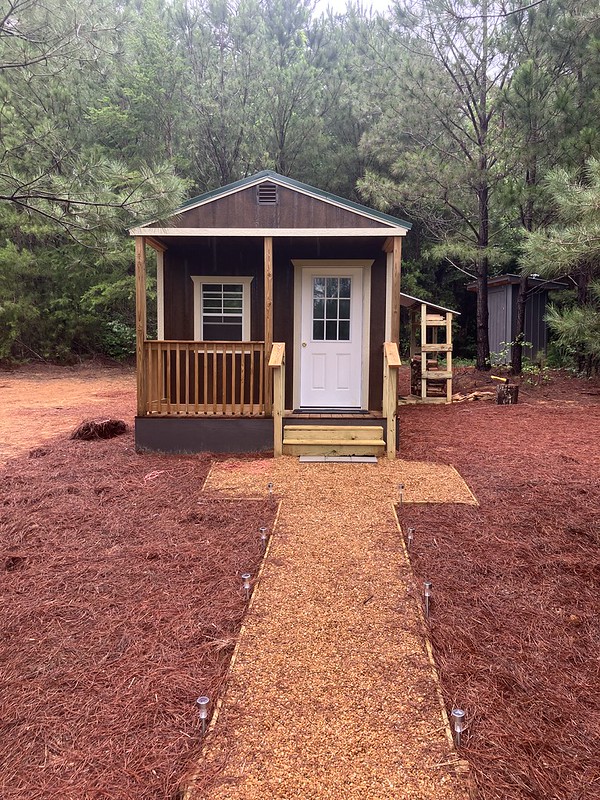
A private cabin.

A bed.

A chair.

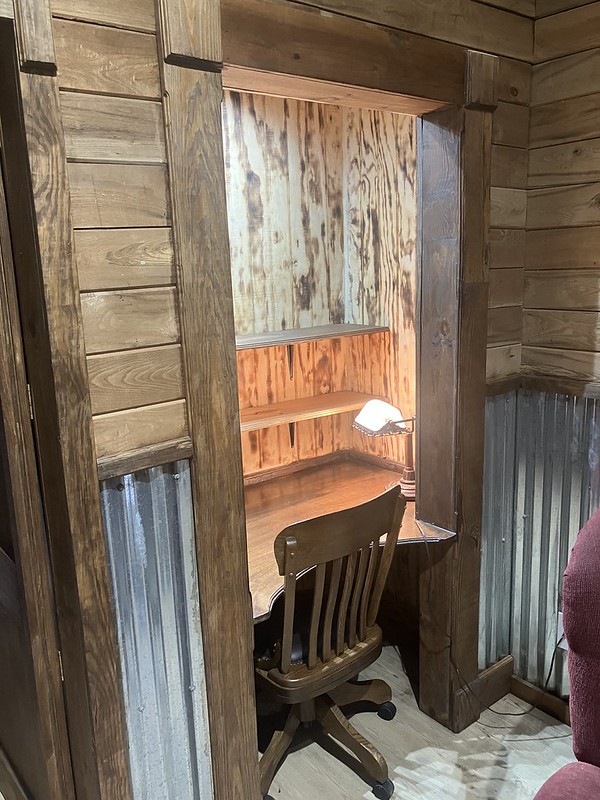
A desk.

A porch.

The woods.

The Meadow.

The nearby Hub for practical necessities.

No demand that you entertain yourself.

No expectation that you produce a breakthrough.

No requirement that you leave with your life completely rearranged.

Perhaps clarity will come.

Perhaps the first thing that comes will simply be relief.

Relief is not the final answer.

But it may create enough room for an honest answer to become possible.


Oak Hollow Cabins offers one-person reset stays near Boaz, Alabama.

West Hollow and East Hollow are simple private cabins designed for guests who need quiet, rest, reading, writing, walking, or temporary distance from ordinary pressure.

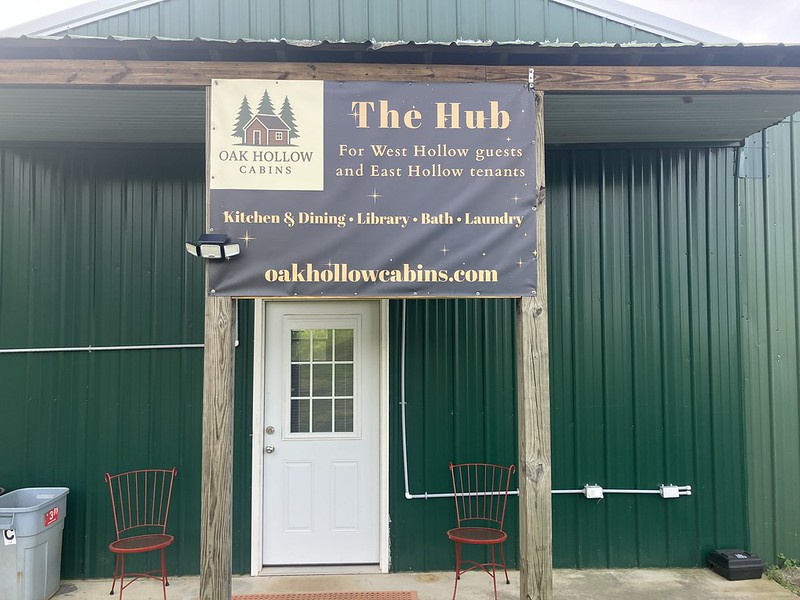
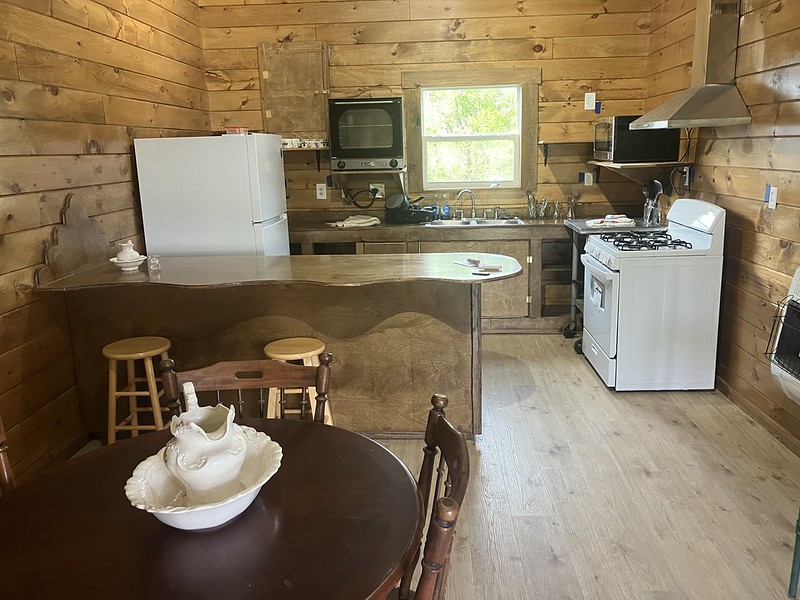
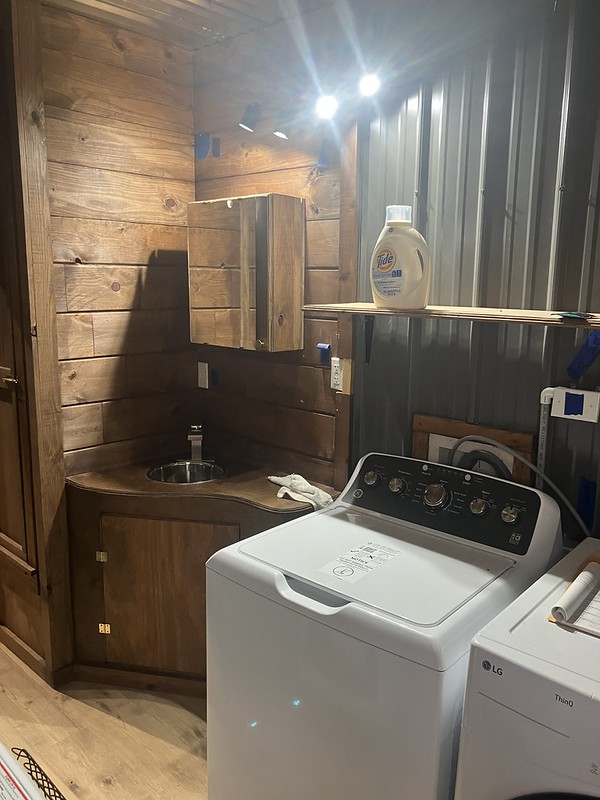
The cabins are supported by the shared Hub, which provides practical amenities including a bathroom, shower, water, kitchen use, charging, laundry, and quiet indoor space.

Reset stays are available for a long weekend, seven days, or thirty days.

You do not have to arrive knowing exactly what you need to decide.

You may begin by admitting that you are tired of deciding everything at once.
Learn more about Oak Hollow reset stays.

Maybe It Isn’t a Vacation You Need

Sometimes the word vacation does not quite fit.

A vacation can be good. There are times when people need travel, scenery, restaurants, events, family time, entertainment, or a change of place filled with things to do.

But not every tired person needs that kind of trip.

Some people do not need more activity.

They do not need a fuller schedule.

They do not need another place where the day has to be planned, photographed, shared, managed, or filled.

They need quiet.

That is one of the reasons Oak Hollow Cabins exists.

Oak Hollow is not trying to be a resort. It is not a campground, a party cabin, a family rental, or a conventional vacation place built around entertainment.

It is something simpler.

A quieter place to step away in North Alabama.

West Hollow and East Hollow are both one-person cabin stays near Boaz, Alabama. They are simple, private, and quiet on purpose. They are for people who may need a short time away from ordinary noise, pressure, screens, decisions, and the habit of being constantly available.

That need can be hard to name.

A person may only know she is tired.

Or restless.

Or stretched thin.

Or unable to think clearly.

Or tired of being needed.

Or tired of noise.

Or tired of living every day inside the same demands, the same rooms, the same screens, the same interruptions.

At first, she may think she needs a vacation.

But maybe what she really needs is a quieter day.

A place to sleep.

A place to read.

A place to sit without having to explain anything.

A place to write a few sentences.

A place to walk.

A place to sit by a fire.

A place where no one expects her to entertain, perform, host, manage, or respond right away.

That is a different kind of stay.

West Hollow may fit the person who needs a deeper reset — a simple, fully off-grid cabin for reading, writing, rest, thinking, and a few days away from ordinary convenience and noise.

East Hollow may fit someone who needs a quieter longer stay — still simple, still private, still for one person, but with internal wiring powered by an external generator and a more practical rhythm.

Both cabins are intentionally simple, but Oak Hollow is not meant to make ordinary needs unnecessarily difficult. The Hub provides practical support by arrangement, including bathroom, shower, water, charging, kitchen use, laundry, and indoor sitting or reading space.

The cabins themselves remain quiet.

That is the point.

No Wi-Fi in the cabin.

No television.

No crowd.

No full schedule.

No pressure to make the stay impressive.

Just a quieter place for one person to step away for a little while.

A quiet stay does not promise to solve a life.

It does not make decisions.

It does not erase responsibility.

It does not remove whatever waits back home.

But quiet can make room.

Room to breathe.

Room to sleep.

Room to notice what has been crowded out.

Room to remember what a slower day feels like.

Maybe it is not a vacation you need.

Maybe it is less than that.

And maybe, in another way, more.

A simple cabin.

A quiet setting.

One guest at a time.

Enough space to step away from the noise and hear yourself think again.

What Kind of Quiet Do You Need?

Not everyone needs the same kind of quiet.

That may seem obvious, but it has taken us some time to understand it clearly at Oak Hollow Cabins.

When we first began talking about resets, the word carried a simple meaning: a person steps away from ordinary noise for a short time. Less pressure. Fewer distractions. A slower day. A place to read, write, rest, think, walk, sit by the fire, or be unavailable on purpose.

That is still true.

But quiet can take more than one form.

Some people need deeper separation.

They may need a few days when ordinary convenience is reduced on purpose. No Wi-Fi. No television. No built-in electricity. No pressurized running water. No indoor bathroom. A cabin, a bed, a chair, a porch, a fire, and enough quiet for the mind to settle.

That is closer to West Hollow.

West Hollow is Oak Hollow’s clearest reset cabin. It is fully off-grid and simple in a way that asks something of the guest. It is not designed around entertainment, luxury, or constant convenience. It is designed for one person who wants to step farther away from ordinary life for a short time.

For the right person, that kind of simplicity is not a defect.

It is the invitation.

But not every person who needs quiet is looking for that kind of reset.

Some people may need a quieter place during a longer season.

They may be working a temporary assignment. They may be carrying responsibility day after day. They may not be looking for a vacation at all. They may simply need a private, simple place to return to at the end of the day.

A place to sleep.

A place to sit.

A place to read.

A place where the day does not have to keep shouting.

That may be closer to East Hollow.

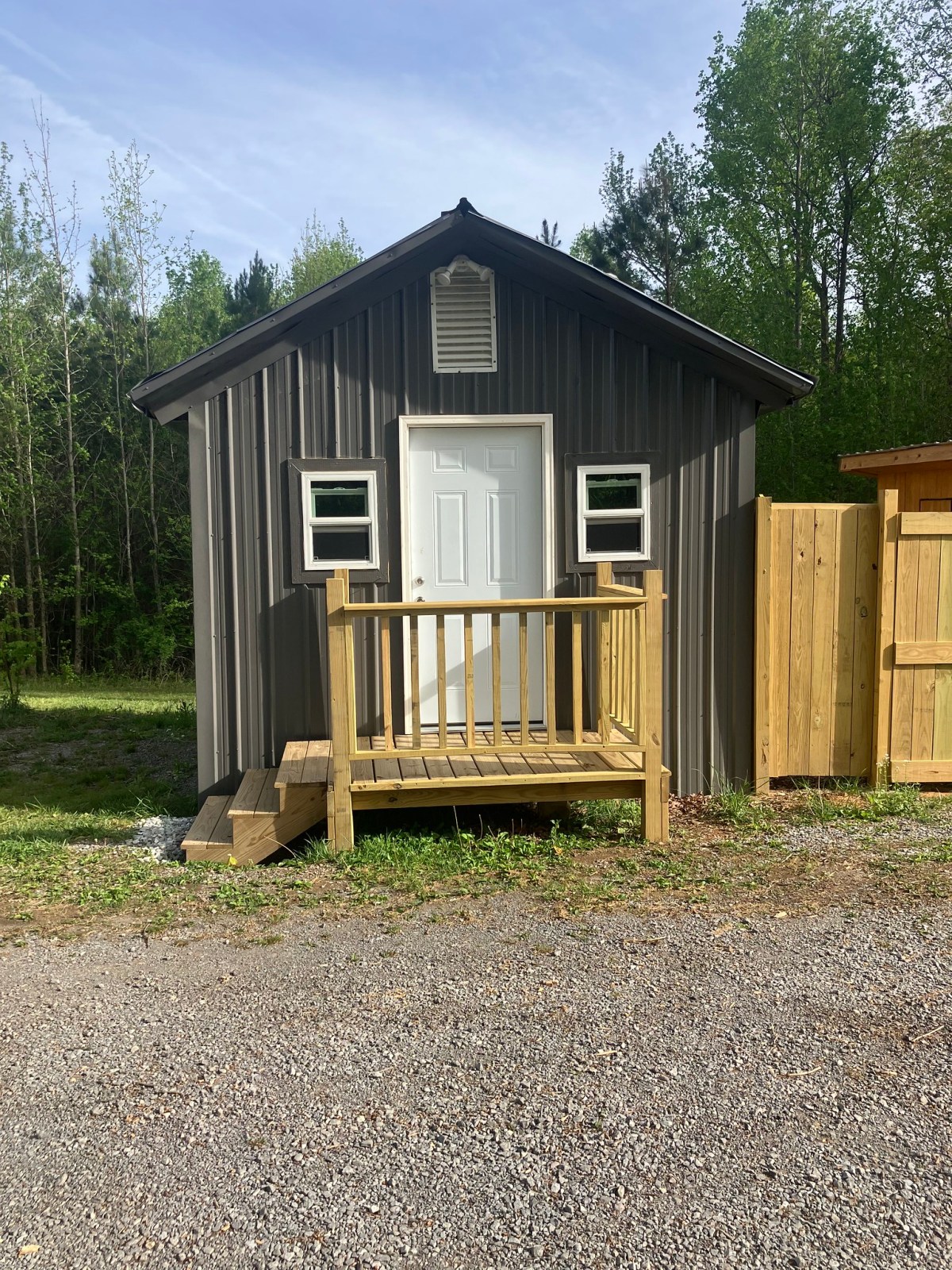
East Hollow is also simple and quiet, but it has a different practical rhythm. It has internal wiring powered by an external generator, easier access, and a setup that may serve someone looking for a longer quiet stay rather than a deeper short reset.

Both cabins belong at Oak Hollow.

They are not identical, and that may be important.

West Hollow may be for the person who needs to step farther away from ordinary convenience for a few days.

East Hollow may be for the person who needs privacy, quiet, and simplicity during a longer temporary stay.

Both are for one person at a time.

Both are quiet on purpose.

Both are meant to reduce noise, not add more.

And both are supported by the Hub, where guests may have access by arrangement to practical needs such as bathroom, shower, water, charging, kitchen use, laundry, and indoor sitting or reading space. The cabins are simple, but they are not meant to make ordinary needs unnecessarily difficult.

So the question is not only, “Do I need a reset?”

The better question may be:

What kind of quiet do I need?

Do I need a few days with fewer conveniences and more separation?

Do I need a longer quiet stay during a demanding season?

Do I need to write?

Do I need to sleep?

Do I need to think?

Do I need to be alone without being lonely?

Do I need a place where nobody expects me to perform, explain, entertain, or be constantly available?

Oak Hollow does not answer those questions for anyone.

It simply offers a place where a person may have enough room to ask them.

That is the purpose.

Not a crowded vacation.

Not a resort.

Not a place built around noise.

A quieter place to step away.

For a few days.

For a longer quiet stay.

For one person at a time.

There is more than one kind of quiet.

The work is noticing which kind you need.

East Hollow and the Quieter Long Stay

Not every person who needs quiet is looking for the same kind of stay.

Some people need a few days away.

Some need a long weekend without noise, screens, interruption, or the ordinary habit of being available.

Some need a cabin like West Hollow — simple, fully off-grid, and set apart enough to make the day feel different almost immediately.

But some people may need another kind of quiet.

They may be working through a temporary assignment.

They may be in a demanding season.

They may need privacy, simplicity, and a slower setting for more than a few days.

They may not be looking for a vacation in the usual sense.

They may simply need a quiet place to return to at the end of the day.

That is where East Hollow may have its place.

East Hollow is still a one-person cabin. It is still simple. It is still part of Oak Hollow’s larger purpose: a quieter place to step away in North Alabama.

But East Hollow is not the same as West Hollow.

West Hollow is Oak Hollow’s clearest reset cabin. It is fully off-grid, with no built-in electricity, no pressurized running water, no indoor bathroom, no Wi-Fi, and no TV.

East Hollow has a slightly different practical rhythm. It has internal wiring powered by an external generator. It has easier access. It may be better suited for someone who needs a longer quiet stay, especially a person who wants privacy and simplicity during a temporary season of work or transition.

That difference matters.

A nurse, technician, traveling professional, writer, contractor, or someone between ordinary arrangements may not need a resort, a hotel room, an apartment complex, or a crowded vacation rental.

They may need something quieter.

A place to sleep.

A place to read.

A place to sit outside.

A place to return to after work.

A place where the day does not have to keep shouting.

East Hollow is not meant to be luxury lodging. It is not meant to be a party cabin, family rental, couple’s getaway, or conventional house.

It is a small, simple one-person cabin.

That simplicity is part of its value.

At the same time, simplicity should not mean unnecessary hardship. Oak Hollow includes the Hub, where practical support may be available by arrangement, including bathroom, shower, water, charging, kitchen use, laundry, and indoor sitting or reading space.

The cabins are meant to reduce noise and distraction, not make ordinary needs difficult.

We are learning to let each cabin be itself.

West Hollow may be the place for someone who wants a deeper reset — a few quiet days with fewer conveniences and more separation from ordinary life.

East Hollow may be the place for someone who needs a quieter longer stay — still simple, still private, still one person, but with a practical setup that may serve a different kind of need.

Both are part of Oak Hollow.

Both are quiet.

Both are for one person at a time.

Both begin with the same question:

What kind of quiet do you need?

For some, the answer may be a weekend in West Hollow.

For others, it may be a longer stay in East Hollow.

Either way, the hope is the same.

Less noise.

More room.

A slower rhythm.

A place to step away long enough to breathe again.

What Makes West Hollow a Reset Cabin

Not every cabin stay is trying to do the same thing.

Some cabins are built for entertainment.

Some are built for families.

Some are built for comfort, convenience, and a long list of amenities.

Some are built to make a trip feel full.

West Hollow was built for something quieter.

It is Oak Hollow’s clearest reset cabin.

That does not mean it is better than every other kind of cabin. It does not mean it is right for everyone. It simply means West Hollow has a particular purpose.

It is a simple one-person cabin for someone who needs less noise, fewer distractions, and a short time away from ordinary life.

West Hollow is not designed around screens, entertainment, or constant convenience. There is no Wi-Fi in the cabin. There is no television. There is no built-in electricity, no pressurized running water, and no indoor bathroom.

For some people, that will sound like too little.

For the right guest, it may be the reason to come.

A reset cabin is not meant to keep a person busy.

It is not meant to fill the day with activities.

It is not meant to replace one form of noise with another.

The purpose is almost the opposite.

West Hollow gives one person a place to read, write, rest, think, walk, sit on the porch, sit by the fire, sleep, journal, and spend a few days unavailable on purpose.

That kind of quiet can feel strange at first.

Most of us are used to being reachable. We are used to background sound. We are used to screens nearby, messages waiting, tasks unfinished, and some next thing asking for attention.

A reset cabin removes some of that.

Not everything.

But enough.

Enough to notice the silence.

Enough to notice the woods.

Enough to notice the fire.

Enough to notice how tired you are.

Enough to notice what has been crowded out.

West Hollow is intentionally simple, but it is not meant to be harsh. Practical support is available by arrangement at the Hub, including bathroom, shower, water, charging, kitchen use, laundry, and indoor sitting or reading space.

That balance matters.

The cabin itself remains quiet and simple. The Hub provides enough ordinary support to keep the stay livable. The point is not to make basic needs difficult. The point is to keep the cabin free from the usual distractions that follow a person almost everywhere.

Oak Hollow now has two cabins, West Hollow and East Hollow, and we are learning to describe them more clearly.

East Hollow has its own place. It is also quiet and simple, with internal wiring powered by an external generator. It may be better suited for a longer quiet stay or for someone who needs more practical convenience during a temporary season.

West Hollow is different.

West Hollow asks less of the world and a little more of the guest.

It asks whether a person can sit still for a while.

It asks whether a day can become smaller.

It asks whether quiet might have something to give.

A reset stay does not promise transformation. It does not solve a life. It does not make decisions for anyone. It does not erase responsibility, grief, pressure, fatigue, or whatever waits back home.

But it can create room.

Room to sleep.

Room to read.

Room to write.

Room to breathe.

Room to think without being interrupted every few minutes.

Room to remember what a slower life feels like, even if only for a few days.

That is what makes West Hollow a reset cabin.

Not luxury.

Not novelty.

Not entertainment.

Not a long list of amenities.

A simple place.

One guest.

A quieter rhythm.

A short time away from ordinary noise.

Sometimes that is enough to begin again.

The Sign Beside the Road

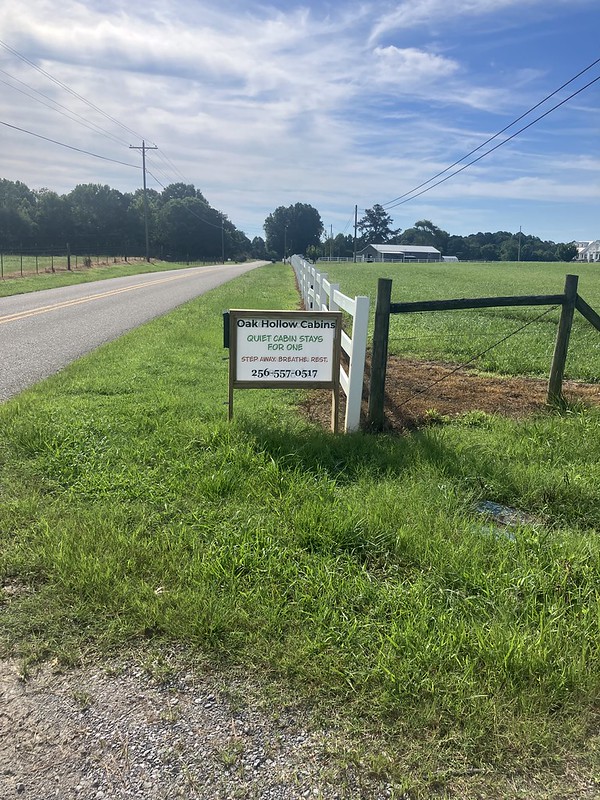
There is a small sign now beside Cox Gap Road.

It does not try to explain everything.

It does not say all that Oak Hollow Cabins is, or all that we have been trying to build, or all the reasons a person might need a quieter place for a few days.

There would not be room for that.

A road sign has to be simple.

Oak Hollow Cabins.

Quiet cabin stays for one.

Step away. Breathe. Rest.

A phone number.

That is enough for the sign.

The fuller explanation belongs elsewhere — on the website, in the cabin pages, in the photos, in the conversations, in the flyer someone may take from the box beside the sign.

But there is something important about putting even that much beside the road.

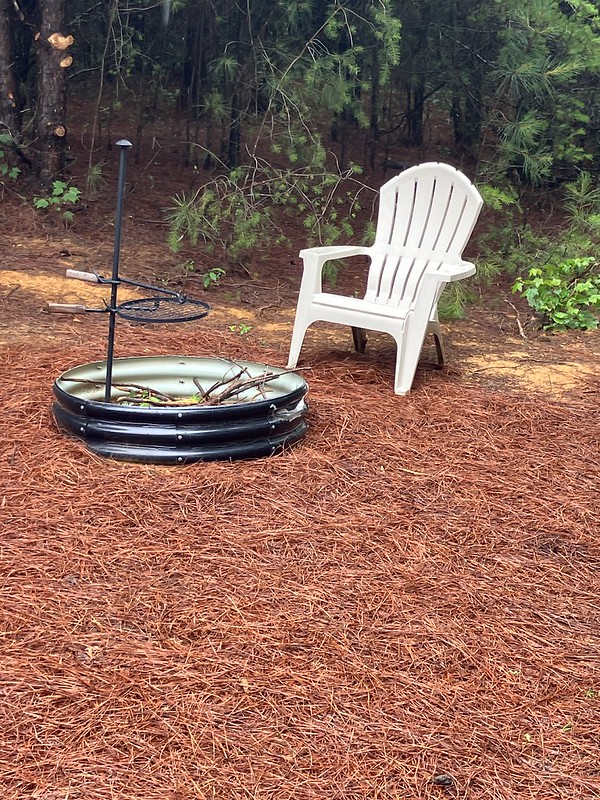
Until now, Oak Hollow has mostly been something being built back from the road. A cabin in the woods. A porch. A fire ring. A place to walk. A Hub for practical support. A thought about quiet that kept becoming more practical.

Now there is a small public marker.

Not loud.

Not flashy.

Not trying to become something it is not.

Just a sign beside a rural road saying, in a few words, that there is a place nearby where one person can step away for a short time.

That matters because Oak Hollow is not a conventional vacation rental.

It is not a party cabin, a family rental, a couple’s getaway, or a place designed around constant entertainment.

West Hollow and East Hollow are simple one-person cabin stays near Boaz, Alabama. They are for reading, writing, resting, thinking, walking, sitting by the fire, sleeping, journaling, or spending a few days unavailable on purpose.

That kind of place can be hard to explain quickly.

Most signs ask people to do something.

Stop here.

Buy this.

Come inside.

Oak Hollow’s sign is quieter than that.

It is closer to an invitation.

Step away.

Breathe.

Rest.

Those are small words, but they ask a real question.

What would it mean to step away for a little while?

What would it mean to let a day become less crowded?

What would it mean to sit somewhere without a television, without Wi-Fi in the cabin, without the ordinary habit of being constantly available?

Some people will drive by and not notice.

Some will notice and keep going.

Some may remember the name later.

Some may stop and take a flyer.

Some may visit the website.

Some may look at West Hollow or East Hollow on Vrbo.

And maybe one person, on the right day, after the wrong kind of week, will see the words and realize they name something he or she has been needing.

Quiet cabin stays for one.

That is not a complicated promise.

It is a simple one.

A cabin.

A quiet setting.

One guest.

A short time away from ordinary noise.

A place to step away long enough to hear yourself think again.

The sign beside the road is only a beginning.

But beginnings matter.

Sometimes a quiet place has to become visible before someone knows it is there.


Oak Hollow Cabins

A Quiet Place to Step Away

Some people do not need a busy vacation.

They do not need a full schedule, a crowded place, another screen, or a long list of things to do.

They need quiet.

That is the simplest way to describe Oak Hollow Cabins.

Oak Hollow now offers two private, one-person off-grid cabin stays near Boaz, Alabama: West Hollow and East Hollow. Both are designed for people who need quiet, simplicity, and time away from ordinary noise.

They are not conventional vacation rentals. They are not party cabins, couple’s getaways, family rentals, or luxury retreats. They are simple cabins for one person at a time.

They are for someone who wants to read, write, rest, think, walk, sit by the fire, sleep, journal, or spend a few days unavailable on purpose.

That may sound unusual because many places are built around adding more.

More entertainment.

More amenities.

More activity.

More connection.

More reasons to keep the mind busy.

Oak Hollow is built around less.

Less noise.

Fewer distractions.

A slower rhythm.

A place where the day does not have to be filled.

A stay at Oak Hollow is not meant to impress anyone. It is not meant to perform. It is not designed for crowds, photographs, or constant sharing.

It is meant to give one person a quiet place to step away for a short time.

The cabins are intentionally simple, though they are not identical. West Hollow is fully off-grid with no built-in electricity, no pressurized running water, no indoor bathroom, no Wi-Fi, and no TV. East Hollow remains simple and quiet, but it does have internal wiring powered by an external generator. Neither cabin is designed around screens, entertainment, or ordinary household convenience.

For some people, that will be too simple.

For others, that may be the point.

The quiet is not an accident. It is part of the stay.

Practical support is available by arrangement at the Hub, including bathroom, shower, water, charging, kitchen use, laundry, and indoor sitting or reading space. The Hub helps make the off-grid cabin stay livable without turning the cabins themselves into ordinary rooms filled with the usual distractions.

A quiet place does not solve everything.

It does not make decisions for a person. It does not remove grief, responsibility, work, fatigue, or whatever waits back home.

But quiet can create room.

Room to breathe.

Room to think.

Room to sleep.

Room to read a few pages without interruption.

Room to write a few sentences.

Room to remember what a slower day feels like.

That is what Oak Hollow is trying to offer.

Not a resort.

Not a campground.

Not a traditional vacation rental.

A quiet place to step away.

For one person.

For a few days.

For enough silence to begin again.

Both West Hollow and East Hollow are now listed on Vrbo for guests who prefer to view availability, photos, and booking details there. Guests may also learn more through the Oak Hollow Cabins website.

However someone finds us, the purpose remains the same.

A simple cabin.

A quiet setting.

One guest at a time.

A place to step away from the noise long enough to hear yourself think again.

What the Hub Adds to an Off-Grid Stay

An off-grid cabin can sound peaceful in theory and uncertain in practice.

The word may call up images of candlelight, silence, trees, and a slower rhythm. But it may also raise practical questions. Where do I shower? Where do I charge a phone? What about water? What if I need a bathroom, a sink, a little indoor space, or a place to sit for a while outside the cabin?

At Oak Hollow Cabins, we want the cabins to remain simple without making the stay feel barren.

That is where the Hub matters.

West Hollow and East Hollow are private one-person cabins designed for quiet, rest, reading, writing, thinking, walking, and time away from noise. They are intentionally simple. They are not conventional vacation rentals, party cabins, couple’s getaways, or fully furnished tiny houses.

Inside the cabin, there is no built-in electricity, no pressurized running water, no indoor bathroom, no Wi-Fi, and no TV.

That simplicity is part of the point.

But simplicity does not have to mean abandonment.

The Hub provides practical support by arrangement. It is the place where ordinary needs can be met without turning the cabin itself into another version of everyday life.

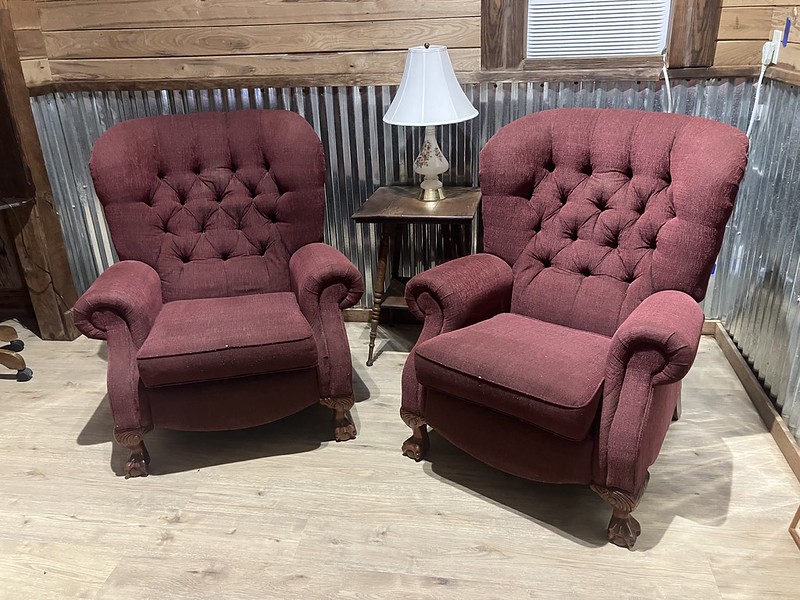
At the Hub, guests may have access by arrangement to bathroom and shower facilities, water, charging, kitchen use, laundry, and indoor sitting or reading space.

That matters because a quiet stay is not helped by unnecessary hardship.

The cabin should remove noise, not create confusion. It should reduce distraction, not make every simple need difficult. It should allow a person to step away from the usual pace of life without having to pretend the body does not still need practical care.

In that sense, the Hub helps protect the purpose of the cabins.

The cabin remains quiet.

The cabin remains simple.

The cabin remains free of television, Wi-Fi, and the ordinary pull of constant availability.

But nearby, by arrangement, there is support.

That balance is important.

Some people do not need a resort. They do not need entertainment, a schedule, a group program, or a full calendar of things to do. They may not even need much comfort in the usual vacation-rental sense.

They may simply need a private place to sleep, read, write, think, walk, sit on a porch, sit by a fire, and let the day become less crowded.

For that kind of stay, the Hub adds enough.

Enough water.

Enough practical support.

Enough access to ordinary necessities.

Enough reassurance that the off-grid cabin is not isolated from help.

Oak Hollow is not trying to hide what the cabins are. They are simple. They are one-person cabins. They are off-grid. They are not for everyone.

But for the right guest, that simplicity is not a deficiency.

It is the invitation.

And the Hub makes that invitation more livable.

It lets the cabin be what it is meant to be: a quiet place apart.

Not a place to be entertained.

Not a place to perform.

Not a place filled with screens and noise.

A place to step away for a while, with enough support nearby to make the quiet possible.