Blog Archives

Oak Hollow Is Becoming Clearer

Oak Hollow Cabins has changed a lot in the last few weeks.

Not because the original idea disappeared, but because the land, the work, the first real residents, and the next cabin have helped clarify what this place is becoming.

Oak Hollow is no longer just a plan on paper.

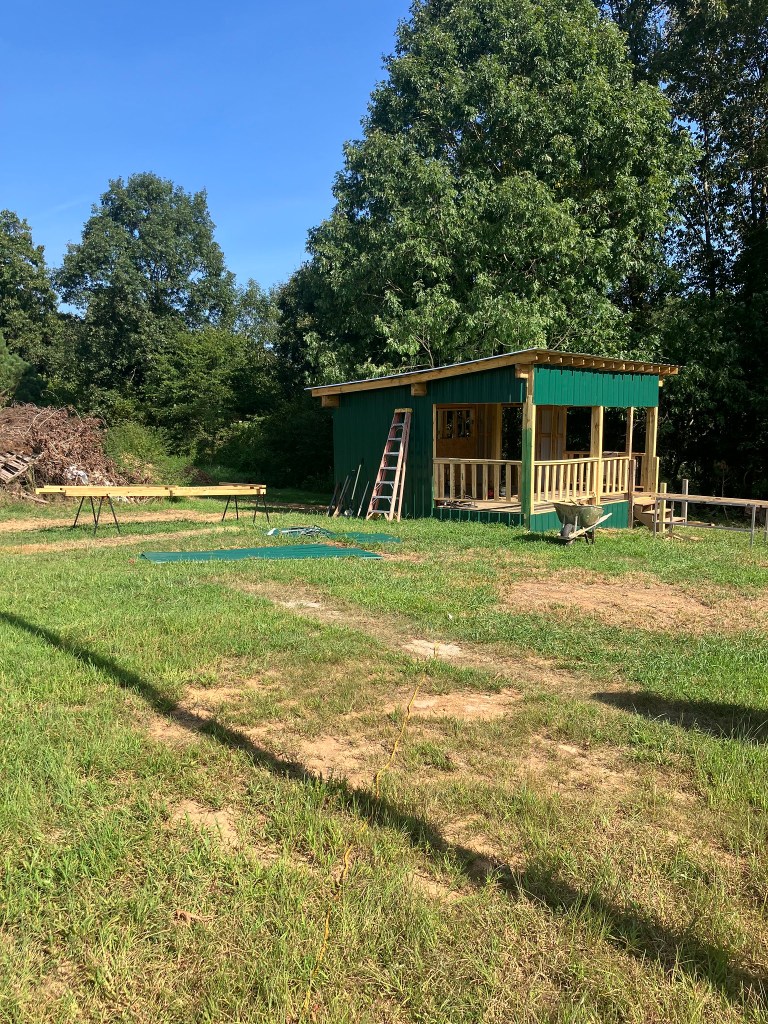
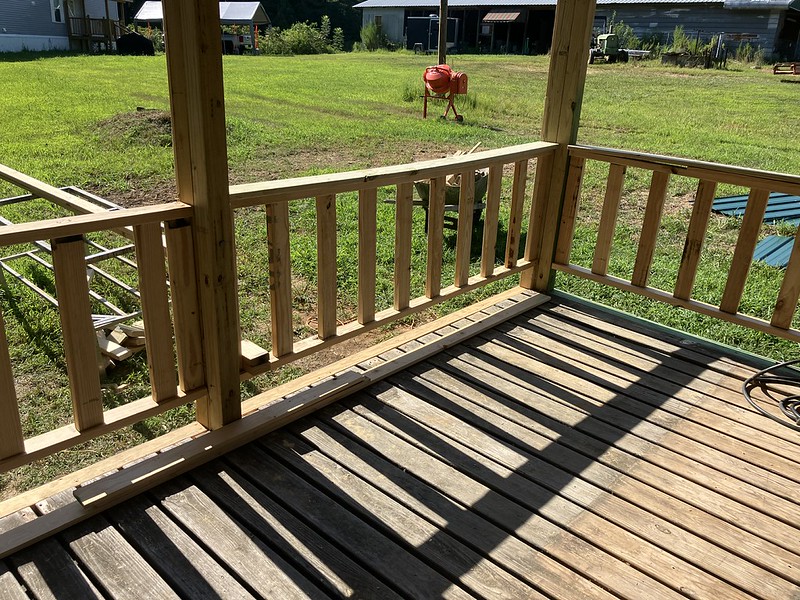
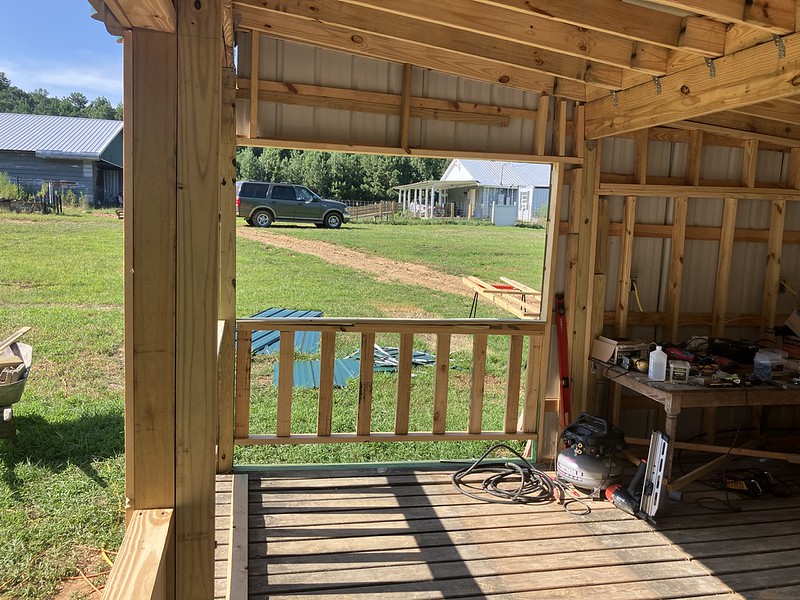
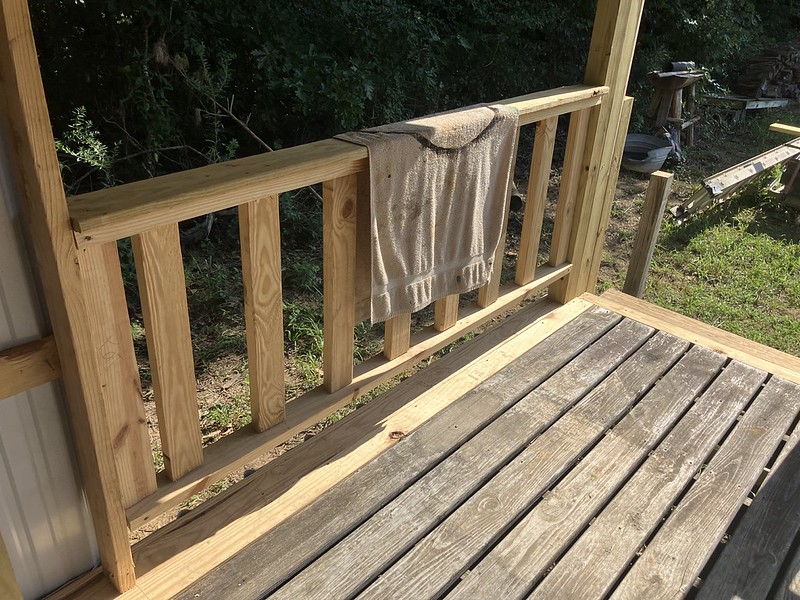
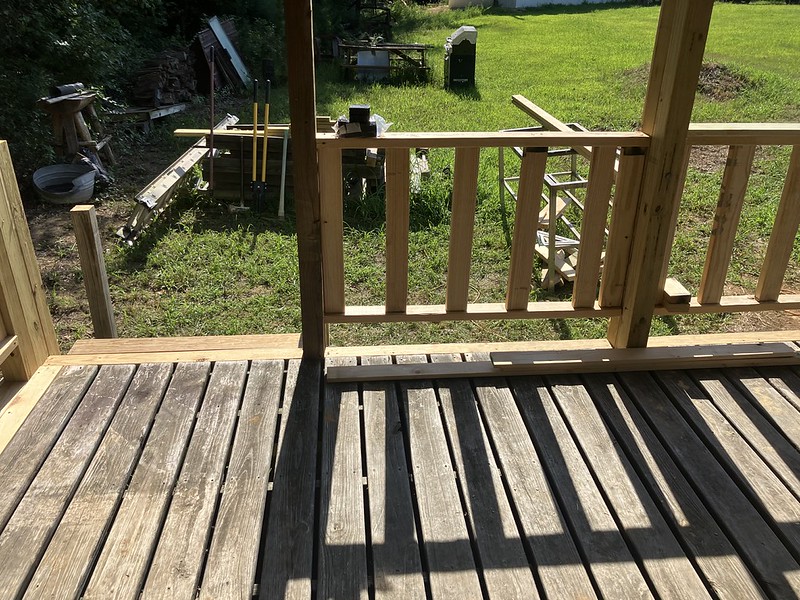
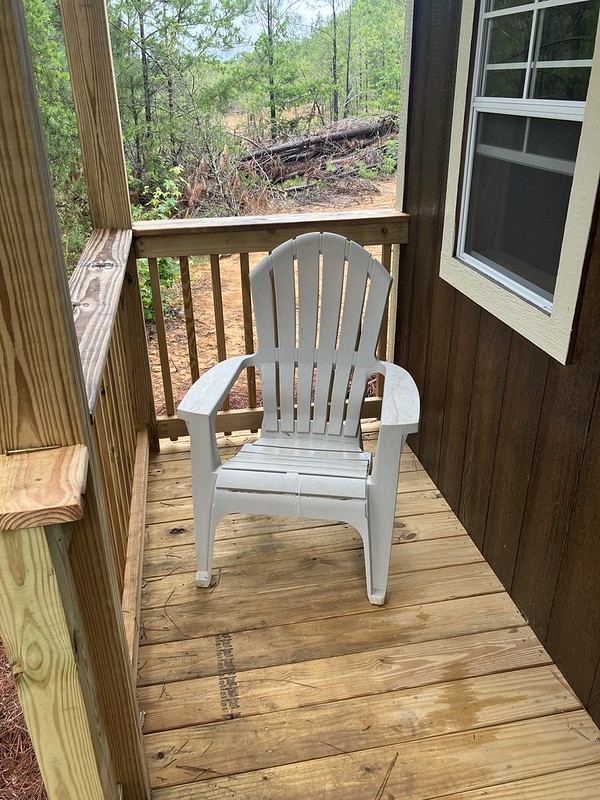
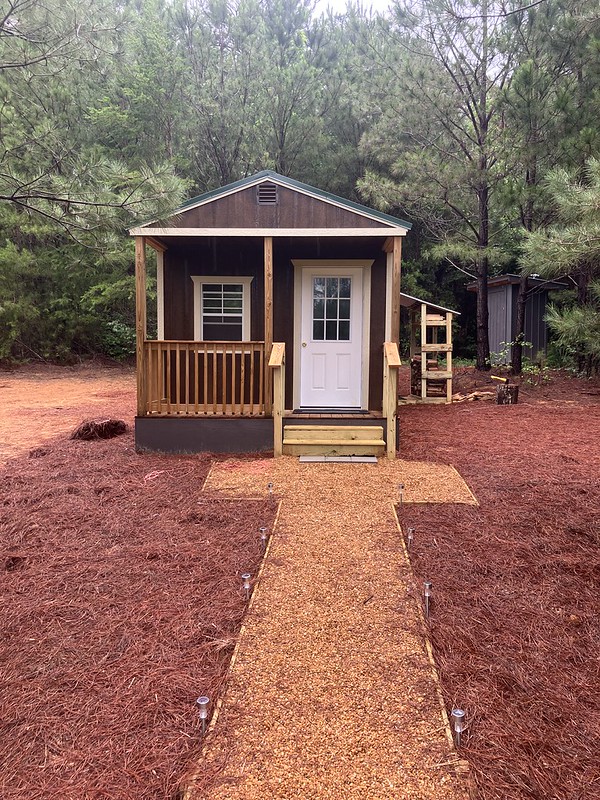
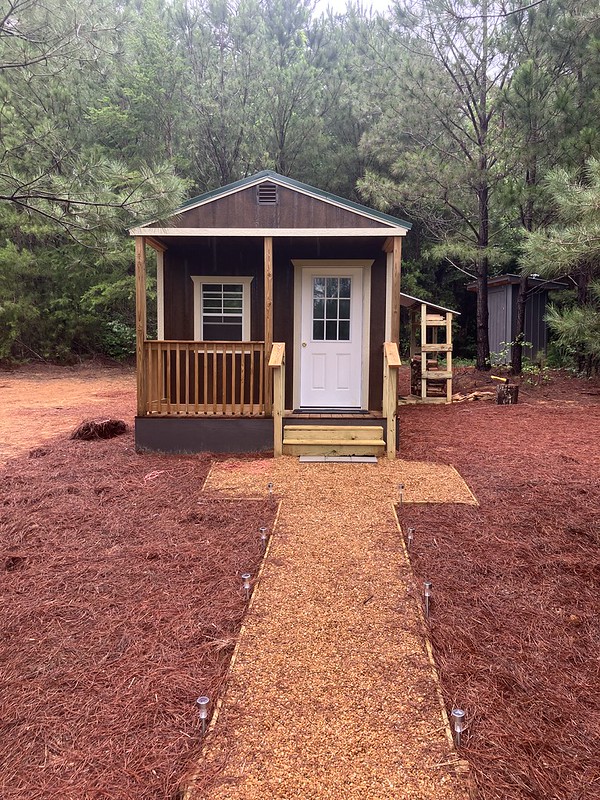
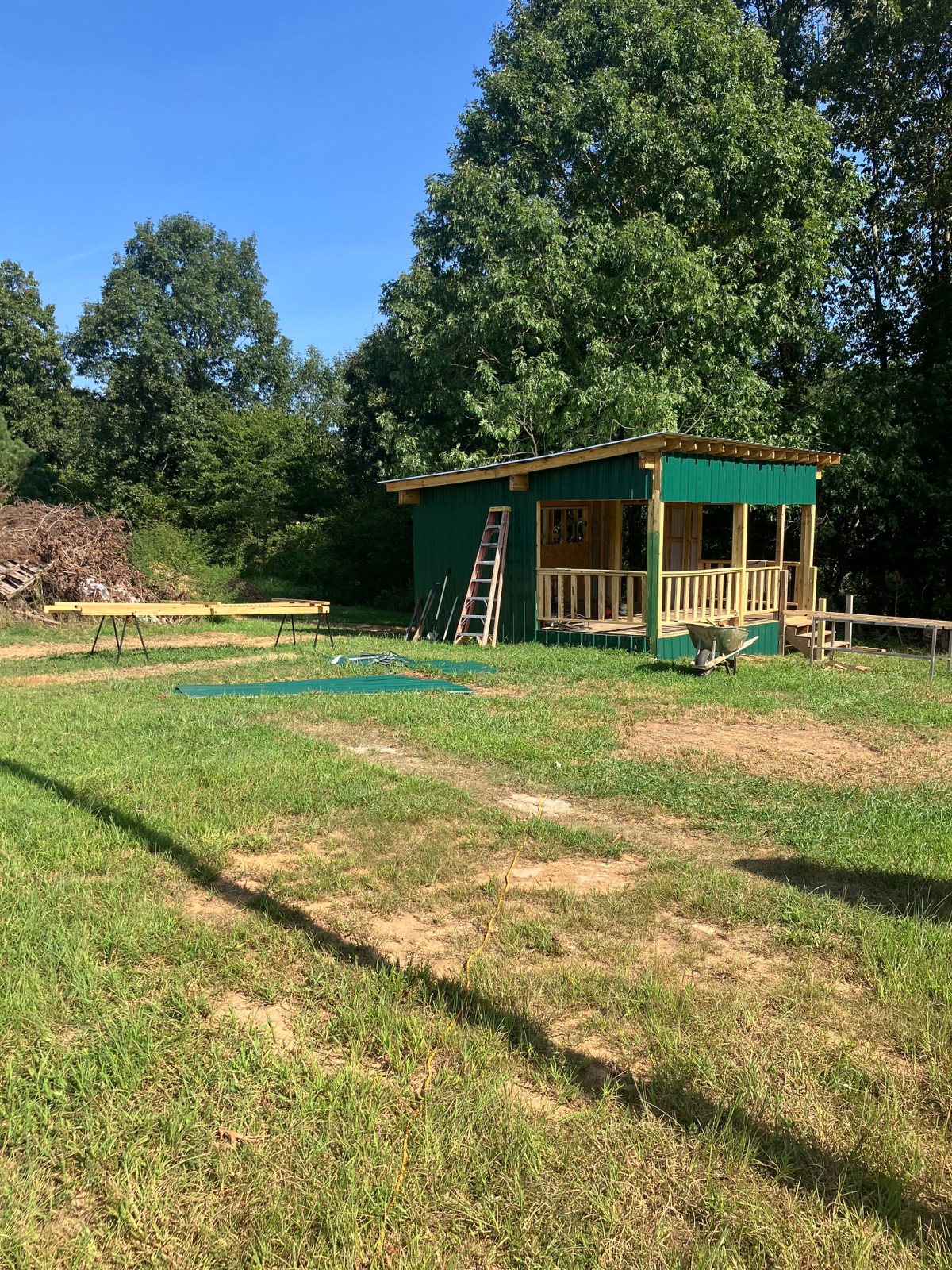
The first East Hollow rental cabin is complete and occupied. The first leased-lot tenants have moved their own 12×32 cabin onto the property. The Hub is becoming more important as a practical support space. And our first West Hollow cabin is now nearing completion.

Those are big steps.

They have also forced us to keep asking a simple but important question:

What is Oak Hollow, really?

The answer is becoming clearer.

Oak Hollow is not a subdivision.
It is not an apartment complex.
It is not a mobile home park.
It is not a campground.
It is not a vacation resort.

Oak Hollow is becoming a quiet rural cabin community near Boaz, Alabama — a place for simple cabins, long-term cabin lots, shared practical spaces, and, now, a more clearly defined kind of short-term reset stay.

That last part matters.

For a while, we thought the direction was almost entirely long-term living. And long-term living is still central to Oak Hollow. But as West Hollow Cabin 1 has taken shape, we have begun to see another purpose for that particular cabin.

Not vacation.

Not entertainment.

Not a weekend party cabin.

Something quieter than that.

A reset.

Long-Term Living Still Matters

Long-term living remains a major part of Oak Hollow.

That may mean renting one of our simple cabins. It may mean leasing a long-term cabin lot and bringing, building, or financing your own cabin. Either way, much of Oak Hollow is being shaped around daily life rather than occasional escape.

Simple daily life.
Quieter daily life.
More practical daily life.
Life with a smaller footprint and more room to breathe.

East Hollow especially fits that long-term direction.

East Hollow is closer to the incoming road, the Hub, the Welcome Center area, and the regular movement of the property. It is more accessible and practical. It works well for rental cabins and leased lots where people want a simpler way to live over time.

Some East Hollow cabins may be generator-supported, with approved interior wiring and exterior generator inlet boxes. East Hollow is still simple, but it is closer in and more practical for ordinary daily use.

That part of the vision has not gone away.

It has become stronger.

West Hollow Is Becoming Something Different

West Hollow is different.

West Hollow sits farther back on the property, beyond the main residence area, in relation to the Meadow.

It is quieter.

More private.

More deeply off-grid.

More suited to solitude.

That difference has become more important as West Hollow Cabin 1 has neared completion.

At first, we thought of West Hollow Cabin 1 mainly as another rental cabin. But the more we worked on it, the more we realized it may be better suited to a different purpose.

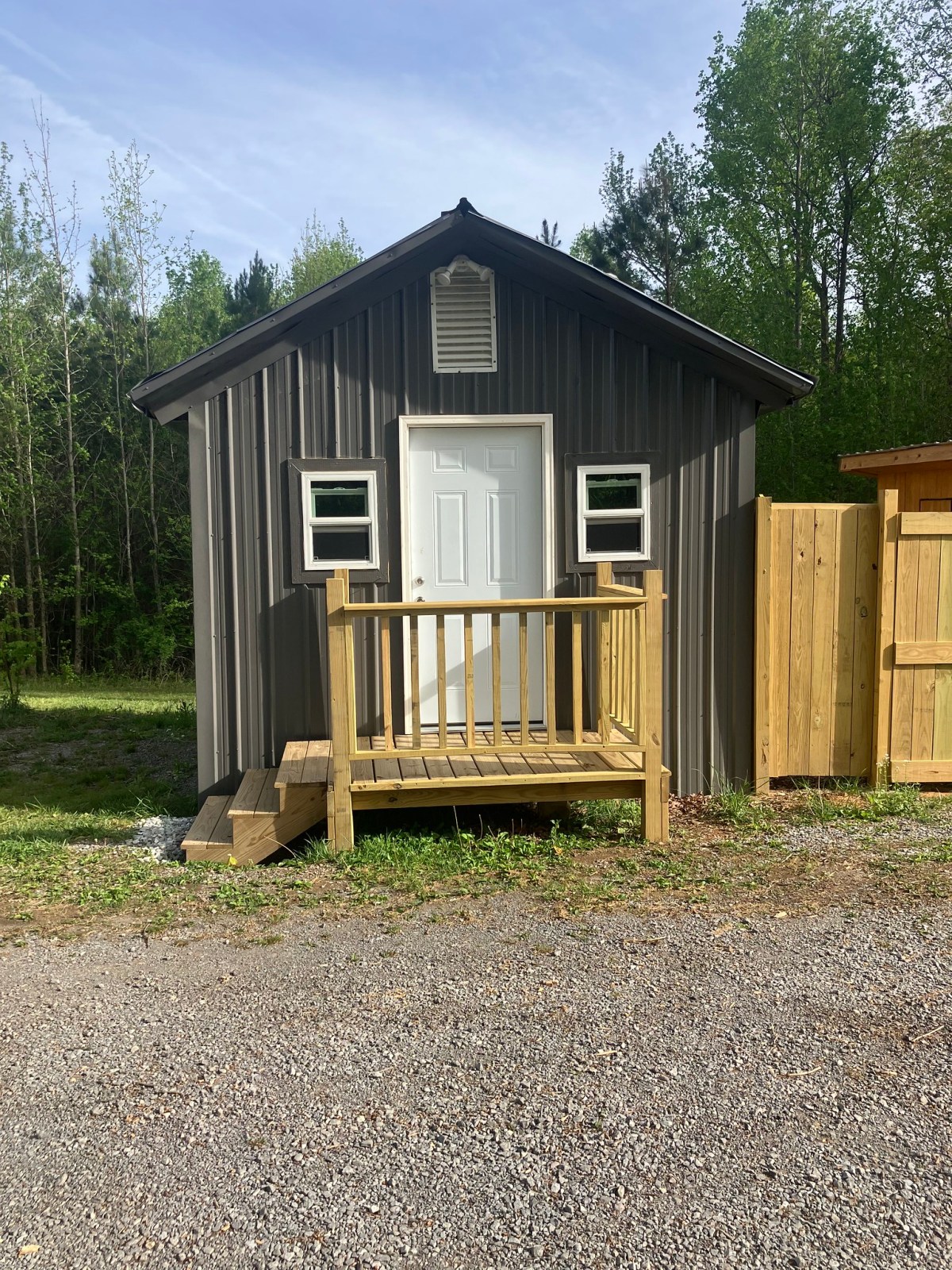
The cabin is not large.

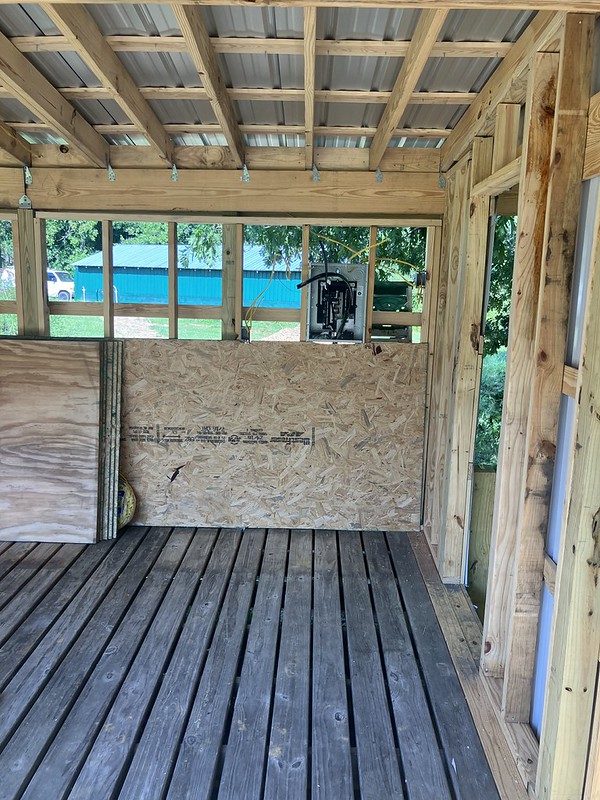
It is not wired.

It has no running water.

It has no indoor plumbing.

It has an XL twin bed, which makes it a one-person cabin by design.

It has a wood stove inside.

It has a separate Hearth structure for the composting toilet.

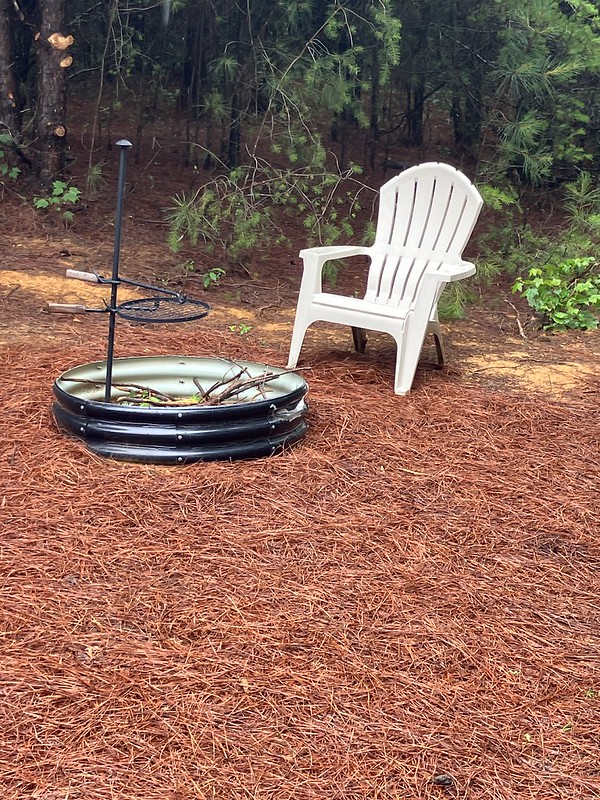
It has an outside fire ring.

It is private, quiet, and set apart.

For the wrong person, those details would sound like limitations.

For the right person, they are the whole point.

The West Hollow Reset Cabin

We are now thinking of West Hollow Cabin 1 as the West Hollow Reset Cabin.

That means it is not being marketed primarily as a vacation rental.

It is not a couple’s getaway.

It is not a family cabin.

It is not a party cabin.

It is a private one-person off-grid cabin for someone who needs a reset.

A reset might be a long weekend.

It might be a full week.

It might be thirty days.

The basic idea is the same:

One person.
One small cabin.
No electricity.
No running water.
A wood stove.
A fire ring.
A private Hearth.
Access to the Hub.
Time to slow down and listen again.

That is a very different kind of offer from a normal rental cabin.

It is not about maximizing convenience.

It is about removing some of the automatic distractions that keep ordinary life moving too fast.

Why No Electricity and No Running Water Matter

The West Hollow Reset Cabin has no electricity and no running water by design.

That may sound strange in a world where almost everything is built around convenience.

But convenience is not always the same as clarity.

Modern life makes nearly everything instant.

Flip a switch.
Turn a faucet.
Heat food in seconds.
Scroll the phone.
Check the news.
Watch another video.
Fill every quiet moment.

West Hollow interrupts that pattern.

Water has to be brought in.

Light has to be considered.

Heat has to be tended.

Food has to be prepared more slowly.

The day has edges again: morning, afternoon, evening, dark.

That is not inconvenience for its own sake.

It is attention.

It is part of the reset.

Fire, Food, and Slowing Down

One of the most important parts of the West Hollow experience may be cooking simply.

Inside the cabin, the wood stove can be used for warmth and, in the right circumstances, simple cooking. Outside, the fire ring gives the guest another way to prepare food, sit quietly, and let the evening unfold without screens or hurry.

That matters.

Cooking on a wood stove or outside over a fire changes the pace of a meal.

You cannot rush it the same way.

You have to notice the fire.

You have to think about what you are doing.

You have to wait.

You have to participate.

In ordinary life, food often becomes automatic. At West Hollow, a simple meal can become part of the reset.

Fire.
Food.
Warmth.
Time.
Attention.

That may be exactly what some people need.

The Hub Still Matters

The Hub remains central to Oak Hollow.

In fact, the new West Hollow Reset idea makes the Hub even more important.

The West Hollow cabin itself is intentionally simple. No electricity. No running water. No standard bathroom inside the cabin. That simplicity is part of the experience.

But Oak Hollow is not trying to leave people unsupported.

Every West Hollow reset stay will include access to the Hub.

The Hub provides practical support: shower access, standard bathroom access, simple kitchen use, charging, laundry for longer stays, and a comfortable indoor place to sit, read, write, or have coffee.

The cabin gives the guest solitude.

The Hub makes the solitude workable.

That combination may be one of the most important things Oak Hollow has to offer.

Not luxury.

Not entertainment.

Not a resort.

Simplicity with support.

Three Reset Stays

We are now shaping the West Hollow Reset Cabin around three possible stays.

The first is a Long Weekend Reset.

The idea is simple: arrive Friday afternoon and leave late Monday morning. That gives the guest Friday evening to arrive, all day Saturday and Sunday to settle into the quiet, and Monday morning to leave without a rushed Sunday checkout.

A regular weekend often ends just when the mind finally begins to slow down.

The Long Weekend Reset gives the quiet more room.

The second option is a 7-Day Reset.

A week gives a person time to move beyond the first layer of rest. The first day or two may simply be unwinding. After that, a quieter rhythm can begin to emerge: walking, reading, journaling, cooking slowly, sitting by the fire, using the Hub when needed, and noticing what ordinary life usually keeps covered.

The third option is a 30-Day Reset.

That is a deeper stay. It is not for everyone. But for the right person — someone in transition, approaching retirement, recovering from burnout, grieving a loss, rethinking work, or considering a simpler way to live — thirty days may become a meaningful threshold between one season and the next.

The 30-Day Reset is not long-term housing.

It is a short-term reset experience.

That distinction matters.

East Hollow and West Hollow

The distinction between East Hollow and West Hollow is becoming clearer too.

East Hollow is the more accessible woodland side of Oak Hollow. It is closer to the entrance, the Hub, the Welcome Center area, and the regular movement of the property. It is practical, closer in, and more suited to long-term cabin living and leased lots.

West Hollow is quieter, more private, and more deeply tied to the Meadow.

It is not designed to become a row of cabins with generators running beside them. Its value is its quiet. For that reason, West Hollow is being shaped around a more off-grid, low-power, low-noise approach.

The difference between East Hollow and West Hollow is not better or worse.

The difference is fit.

Some people need a practical long-term cabin or lot.

Some people need a private reset.

Oak Hollow may now be able to offer both without confusing the two.

Still Being Built

Oak Hollow is still being built one step at a time.

That is part of the honesty of the place.

Some things are complete and occupied.

Some things are nearing completion.

Some things are still being shaped by experience, conversation, and the land itself.

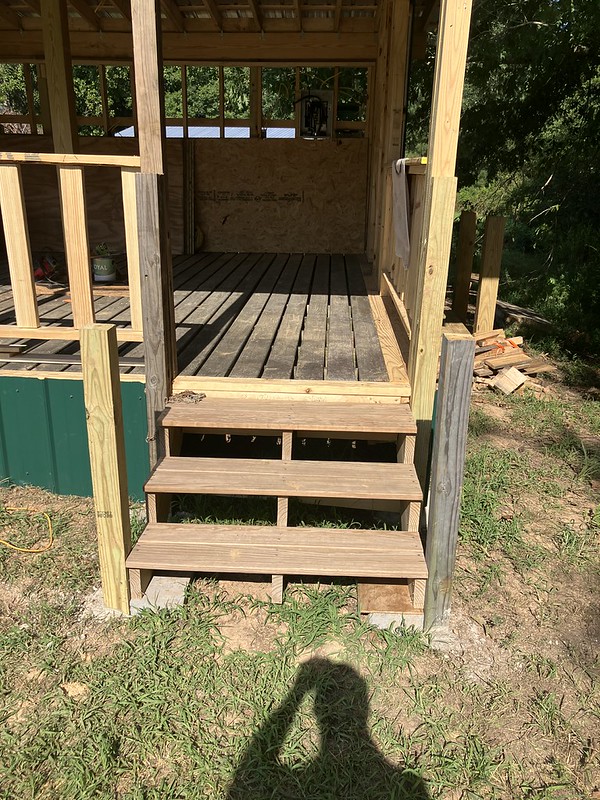
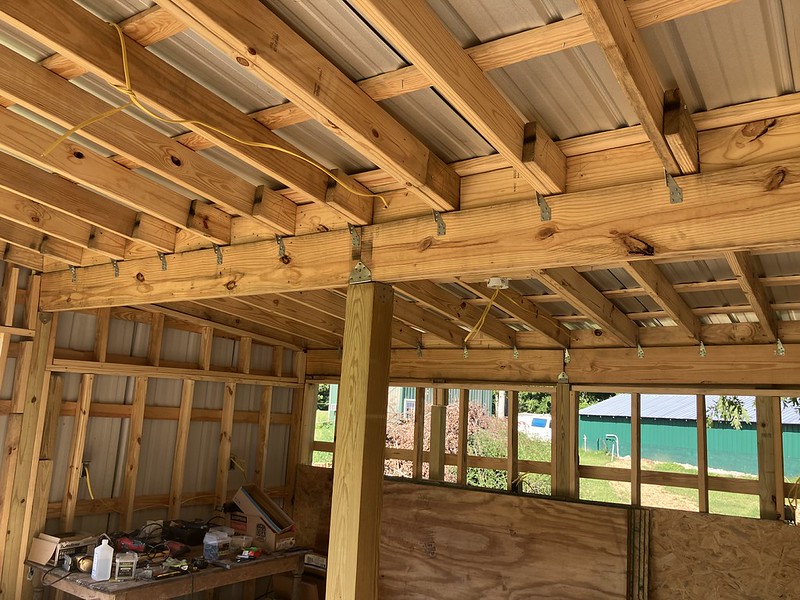
West Hollow Cabin 1 is expected to be ready around June 1. As that date approaches, we are revising the website again so it reflects the clearer direction:

East Hollow for practical long-term cabin living and leased lots.

West Hollow for deeper privacy, off-grid quiet, and the new one-person reset cabin.

The Hub as the shared support space that makes smaller, simpler cabins more workable.

Oak Hollow is not trying to be everything.

It is becoming something quieter.

Something more specific.

A place to live simply.

And, for some people, a place to step away long enough to begin again.

A Quiet Cabin Is Available at Oak Hollow

From time to time, Oak Hollow has a place available for the right person.

That time is now.

We currently have a small one-person rental cabin available at Oak Hollow for someone who values peace, privacy, and simple living in a quiet rural setting.

This is not apartment living. It is not subdivision living. And it will not be the right fit for everyone. But for the right person, it may feel like exactly the kind of place they have been hoping to find.

The cabin is best suited for someone who appreciates quiet, solitude, and a slower rhythm of life. Rent is $800 per month and includes access to The Hub, with kitchen, bathroom with shower, washer and dryer, dining area, and library/writing nook.

Because this is an off-grid cabin setting, it is important for anyone interested to understand that Oak Hollow offers a different kind of living experience than a traditional house or apartment in town. That difference is part of what makes Oak Hollow what it is.

A one-year lease is preferred.

If this sounds like something that may fit you—or someone you know—you can read the full details on our rental cabin page here.

If after reading it you believe Oak Hollow may be a good fit, feel free to reach out and tell us a little about yourself.

We are looking for the right long-term fit.

One Place, One Practice

Simplifying doesn’t always mean doing less.

Sometimes it means doing fewer things more honestly.

Over the past year, I noticed that my writing was spread across multiple sites and categories — even though the underlying work was the same: paying attention, questioning inherited scripts, and living without rushing toward conclusions.

I’ve moved my ongoing writing to a single home: The Pencil-Driven Life on Substack.

This wasn’t a strategic decision.
It was a simplifying one.

Instead of separating writing into “belief,” “purpose,” or “craft,” I’m now writing from the same place each time — the ordinary moment in front of me.

If this work has resonated with you here, you’re warmly invited to follow along there.

👉 https://thepencildrivenlife.substack.com/

No funnels.
No urgency.
Just a quieter place to keep noticing.

Life Off-Grid: Independence, Sufficiency, Simplicity

The Oak Hollow Way — Week 8

The phrase off-grid often carries baggage.

For some, it conjures images of isolation or extremism. For others, it sounds like a trendy lifestyle experiment or a rejection of modern life altogether. And for many, it simply feels impractical—something admirable in theory, but unrealistic in practice.

At Oak Hollow, living off-grid isn’t about proving anything.

It’s about independence, sufficiency, and simplicity—three qualities that quietly change how people relate to their lives when given the chance to experience them directly.


Independence Isn’t Withdrawal — It’s Agency

Independence is often misunderstood as separation from others. But the independence that off-grid living offers is something different.

It’s not about cutting ties.
It’s about regaining agency.

When systems quietly handle everything for us—power, water, temperature, light—we stop noticing how dependent we are. Things simply work… until they don’t. And when they fail, we’re reminded how little connection we have to the processes that support our lives.

Off-grid living brings those processes back into view.

You notice where energy comes from.
You notice how much you use.
You notice cause and effect again.

This awareness doesn’t make life harder. It makes it more intelligible.

At Oak Hollow, independence isn’t about self-sufficiency as a performance. It’s about understanding enough to feel grounded rather than abstracted from your own life.


Sufficiency Changes the Question from “More?” to “Enough?”

Modern life trains us to ask one question repeatedly:

How can I get more?

More comfort.
More convenience.
More security.
More margin.

But off-grid living quietly shifts the question to something far more stabilizing:

What is enough?

Enough power for light, warmth, and function.
Enough water to meet real needs.
Enough space to live well.
Enough quiet to think clearly.

Sufficiency doesn’t mean scarcity. It means right-sizing.

When resources are finite and visible, people naturally adjust. They become attentive instead of excessive. Thoughtful instead of automatic.

And in that adjustment, many discover something surprising:

Enough is often less than they imagined.


Simplicity Emerges Naturally, Not Forcefully

Simplicity is often marketed as something you must impose—declutter aggressively, optimize relentlessly, reduce everything to a system.

Off-grid life doesn’t require that kind of discipline.

Simplicity emerges naturally when complexity stops being invisible.

When energy has limits, you stop wasting it.
When systems are understandable, you stop overcomplicating.
When life slows, unnecessary habits fall away on their own.

At Oak Hollow, simplicity isn’t enforced. It’s invited.

There are fewer layers between action and consequence, fewer abstractions between effort and result. That clarity doesn’t restrict life—it frees it.


Off-Grid Living Reconnects Cause and Effect

One of the quiet dislocations of modern life is how detached we’ve become from cause and effect.

Flip a switch—light appears.
Turn a dial—temperature changes.
Press a button—something arrives.

The convenience is real. But so is the disconnection.

Off-grid living restores proportion.

You become aware of timing.
You respect limits.
You plan gently instead of assuming endlessly.

This isn’t about hardship. It’s about relationship—with resources, with rhythms, with reality.

When cause and effect are visible again, life feels more coherent. Decisions feel more grounded. Actions feel more intentional.


Why Off-Grid Life Often Feels Calming

Many people expect off-grid living to feel stressful or demanding. Yet the opposite is often true.

Why?

Because mental load decreases when systems are simpler.

There’s less background complexity to manage. Fewer hidden dependencies. Fewer layers of abstraction. Life becomes more legible.

And legibility is calming.

The nervous system relaxes when it understands its environment. When expectations match reality. When systems behave predictably.

At Oak Hollow, off-grid living isn’t about challenge. It’s about reducing cognitive noise so attention can settle.


Off-Grid Is Not Anti-Modern — It’s Corrective

Oak Hollow isn’t rejecting modern life.

It’s offering a counterbalance.

Most people don’t need to live off-grid permanently to benefit from its lessons. But experiencing a life where independence, sufficiency, and simplicity are built into the environment can recalibrate how they return to modern systems.

You begin to notice excess more clearly.
You recognize waste more quickly.
You appreciate convenience without being consumed by it.

Off-grid living becomes a reference point—a reminder of what’s essential and what’s optional.


What Oak Hollow Is Really Offering

Oak Hollow isn’t offering escape.
It isn’t offering survival training.
It isn’t offering a lifestyle badge.

It’s offering an experience of life that is:

  • understandable
  • sufficient
  • grounded
  • slower
  • quieter
  • less abstract

An experience where independence feels stabilizing, not isolating. Where sufficiency feels reassuring, not restrictive. Where simplicity feels spacious, not sparse.


An Invitation to Reconsider What You Rely On

You don’t need to disconnect from everything to learn from off-grid living.

You can begin by noticing:

  • how much you use without awareness
  • what you rely on without thinking
  • what feels essential versus habitual
  • where simplicity might reduce strain

Off-grid living isn’t about doing without.
It’s about doing with intention.

At Oak Hollow, independence, sufficiency, and simplicity aren’t ideals to chase. They’re conditions we’re building toward—so that life can feel clearer, steadier, and more humane.

This is the Oak Hollow Way.


Kayla Series — Week 9 – The First Real Cry — An Old Ache Breaks Open

The Kayla Series is a year-long, weekly narrative following the imagined first tenant of Oak Hollow Cabins’ Threshold Cabin. Each episode explores what happens when life is intentionally simplified and lived more slowly.
If this is your first visit, you may want to begin with the Introduction or Episode 1.

The cry surprised her.

Not because she hadn’t felt sad before—she had—but because it arrived without warning, without narrative, without permission. It didn’t come with a thought or a memory attached. It came from somewhere older, deeper, like a fault line shifting beneath the surface.

She was standing at the sink when it happened.

The kettle had just come off the stove. Steam rose softly, fogging the lower edge of the window. She poured the water slowly, watching it darken the tea leaves, her movements steady and unremarkable. Nothing in the moment suggested collapse.

And then her chest tightened.

Not sharply—more like a hand closing gently but firmly around her ribs. Her breath caught halfway in, stalled there, unfamiliar. She leaned forward, palms flat against the counter, waiting for it to pass.

It didn’t.

The first tear fell without drama, landing on the wood with a quiet finality. Then another. Then her shoulders began to shake, subtle at first, as if she might still contain it.

She couldn’t.

The sound that escaped her was small but undeniable. A broken breath. A low, unguarded noise she didn’t recognize as her own until it was already out in the room.

She slid down until she was sitting on the floor, back against the cabinet, knees drawn up. The kettle sat forgotten on the counter. The stove ticked softly as it cooled. The cabin held.

Her crying wasn’t loud. It wasn’t violent. It was steady and deep, like something long submerged finally reaching air.

She pressed her face into her sleeve, surprised by the intensity of it—not panic, not despair, but release. The kind that comes when effort stops.

Images surfaced without order.

A version of herself at twenty-five, certain she knew where she was headed. Another at thirty, quietly disappointed but still trying to be grateful. The slow accumulation of years spent being capable, dependable, composed.

The ache beneath all of it—the one she’d carried without naming—rose fully now.

Not grief for one thing.

Grief for everything she hadn’t allowed herself to feel because there had always been something to manage.

She cried for the faith she’d outgrown without replacing. For relationships that had ended politely instead of honestly. For the woman she had been when she believed endurance was the same as strength.

The floor was cold beneath her, grounding. The air smelled faintly of wood smoke and tea. Nothing interrupted her.

No phone buzzed. No neighbor knocked. No schedule demanded she recover quickly.

She cried until the tears slowed on their own, until her breath deepened without effort. When she finally lifted her head, her face felt swollen, tender—as if something fragile had been touched for the first time in years.

She sat there for a long while afterward, not trying to understand what had happened.

Understanding could wait.

She stood eventually, rinsed her face with cool water, and dried it carefully. Her eyes in the small mirror looked different—not dramatic, just honest. Softer. Less defended.

She carried her tea to the bed and sat quietly, hands wrapped around the mug. Outside, the woods moved gently in the afternoon light. The Hearth stood where it always did. Everything familiar. Nothing changed.

Except her.

She realized then that she hadn’t cried because she was overwhelmed.

She had cried because she was finally safe enough to stop holding herself together.

The thought didn’t feel profound. It felt factual.

That night, she wrote only one line in her journal:

This is what happens when nothing is asking me to be okay.

She closed the book and lay down, exhausted in the way that comes after honesty.

Sleep took her quickly.

And for the first time since arriving, her dreams were quiet.

The Oak Hollow Way – Why Our Cabins Are Small on Purpose

The Oak Hollow Way — Week 7

In a culture that equates more space with more success, building small can look like a compromise.

Bigger homes promise comfort. Extra rooms suggest freedom. Square footage is treated as progress—proof that you’ve arrived, expanded, improved.

So when people hear that Oak Hollow cabins are intentionally small, the assumption is often that something is missing.

But smallness here isn’t a limitation. It’s a design choice.

And it exists for a reason.


Small Spaces Ask Different Questions

Large spaces invite accumulation.Small spaces invite attention.

In a big house, it’s easy to spread out—physically and mentally. Rooms fill with objects. Schedules fill with obligations. Attention diffuses.

In a small cabin, that diffusion doesn’t happen.

You notice what’s there. You notice what isn’t. You notice what matters.

Small spaces gently ask questions that large ones often allow us to avoid:

  • What do I actually need?
  • What earns its place here?
  • What can be let go?
  • How much space does a meaningful life really require?

These aren’t questions we answer intellectually. We answer them by living inside the space.


Constraint Creates Clarity

Constraint gets a bad reputation. We associate it with restriction, loss, or sacrifice.

But constraint, when chosen intentionally, creates clarity.

In a small cabin:

  • there’s less visual noise
  • fewer decisions compete for attention
  • movement becomes simpler
  • routines settle naturally
  • the mind has less to manage

Nothing is wasted. Nothing is excessive. Everything has a role.

This isn’t about minimalism as an aesthetic. It’s about mental spaciousness.

When your environment stops demanding constant management, your attention is freed to move inward and outward in healthier ways.


Small Spaces Bring You Back to the Body

Large spaces can keep us moving.Small spaces invite us to settle.

In a cabin where everything is within reach, life slows down. You sit more. You notice posture. You feel temperature changes. You hear subtle sounds. You become aware of your body again.

This is not accidental.

Small spaces bring the body back into the conversation. They anchor you physically, which steadies you mentally.

At Oak Hollow, the cabins are designed to support this grounding. Not to confine—but to orient.


Small Doesn’t Mean Sparse

There’s an assumption that small spaces must feel empty or austere. That comfort requires excess.

But comfort doesn’t come from quantity. It comes from coherence.

A small space that is thoughtfully designed—where light, materials, warmth, and layout work together—often feels more supportive than a large space filled without intention.

At Oak Hollow, cabins are built to feel complete, not cramped.

They offer what’s essential and nothing that distracts from it.

That balance matters.


Small Spaces Change How You Relate to Time

In large homes, it’s easy to stay busy—moving from room to room, managing things, maintaining spaces.

In a small cabin, time stretches.

With fewer tasks and fewer places to go, moments open up. Evenings feel longer. Mornings feel quieter. Days regain shape instead of blurring together.

This shift is subtle, but powerful.

When time slows, people stop living ahead of themselves. They arrive where they are.

That arrival is one of the quiet gifts of small living.


Small Encourages Going Outside

Small cabins naturally push life outward.

You step onto the porch. You walk the land. You cook simply, then move outside. You let the weather matter.

The cabin becomes a shelter, not a container for life.

This relationship—inside for warmth and rest, outside for movement and perspective—mirrors how humans have lived for most of history. It restores a rhythm that modern architecture often disrupts.

At Oak Hollow, the cabins are meant to belong to the land, not replace it.


Small Is Honest

Large spaces can hide things—clutter, avoidance, excess.

Small spaces are honest.

You see what you own. You feel how you live. You notice what works and what doesn’t.

This honesty isn’t harsh. It’s clarifying.

Many people discover that what they thought they needed was actually noise. And what they feared losing was rarely essential.

Small living gently reveals this—without lectures, without rules, without force.


Why Oak Hollow Builds Small

Oak Hollow cabins are small because:

  • clarity thrives in simplicity
  • attention deepens in contained spaces
  • the body settles more easily
  • the land remains the primary experience
  • life becomes less about managing things and more about inhabiting moments

Small is not a statement here. It’s a support system.

The cabins exist to serve presence, not status.


An Invitation to Reconsider “Enough”

You don’t have to live small to learn from it.

But spending time in a small, intentional space often recalibrates what enough feels like.

Enough warmth.Enough light.Enough quiet.Enough space to breathe.

More rarely adds to that list.

At Oak Hollow, smallness is not about taking something away. It’s about giving something back.

This is why our cabins are small on purpose.

This is the Oak Hollow Way.

Kayla Series–Week 8–Cooking in a Small Kitchen — Beauty in Simplicity

The Kayla Series is a year-long, weekly narrative following the imagined first tenant of Oak Hollow Cabins’ Threshold Cabin. Each episode explores what happens when life is intentionally simplified and lived more slowly.
If this is your first visit, you may want to begin with the Introduction or Episode 1.

Kayla learned quickly that cooking here did not begin with hunger.

It began with fire.

That morning, she woke before the cabin had fully warmed, the cold still settled into the corners. She pulled on her sweater, crossed the floor quietly, and knelt by the wood stove. The embers from the night before were faint but present—just enough to coax back to life.

She added kindling, then a small split log, feeding the fire patiently. Cooking here required this first act of attention. There would be no turning a knob, no instant heat. Food waited on flame, and flame waited on care.

By the time the stove began to radiate warmth, she filled the kettle from the Reliance container and set it on one of the stove’s iron eyes. The water would take time. Everything did.

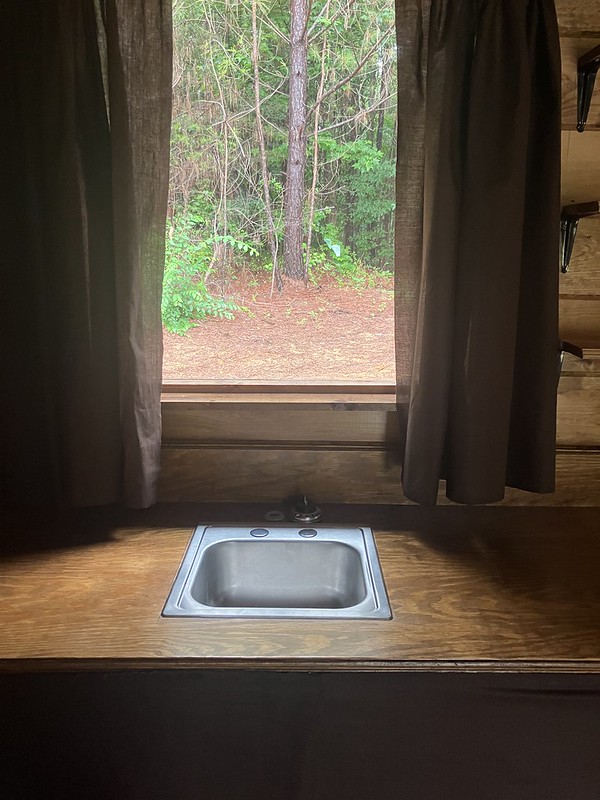
The counter stretched six feet along the wall—longer than she’d expected, but spare. A sink beneath the window. A cutting board. One knife. Nothing else competing for space.

She washed her hands, the cool gravity-fed water reminding her that even this small act had a beginning and an end. No endless flow. No mindless rinsing.

She chopped vegetables slowly—potatoes, an onion, a carrot—listening to the knife meet the board. Outside, the woods were still. Inside, the stove ticked and settled as it heated.

There were meals she simply couldn’t make here. She knew that. Baking. Anything complicated. Anything rushed.

And that, she was beginning to understand, was the point.

Some days, she walked to The Hub for a proper kitchen. A place where ovens waited ready, counters stretched wide, and meals could be shared. She liked that contrast—the ease there, the effort here. Neither felt superior. Each had its role.

But today was for the cabin.

She set a cast iron pan on the stove’s second eye and waited. The iron warmed gradually, responding not to impatience but to time. When she finally added oil, it shimmered slowly, deliberately.

Cooking required her whole body now—watching the flame, adjusting the pan, listening. There was no background noise to absorb her attention. No screen to distract her from timing.

She stirred. She waited. She tasted.

The meal was simple. Root vegetables softened by heat and care. Tea brewed once the kettle finally sang. Nothing impressive. Nothing photographed.

She ate standing at the counter, watching steam rise toward the window. When she finished, she washed the pan immediately, dried it, and returned it to its hook. No sink full of dishes. No lingering mess.

Cooking ended when eating ended.

Later, she carried her mug outside and sat on the step, the warmth of the stove still clinging to her clothes. The Hearth stood nearby, quiet and solid. Firewood stacked beneath its overhang. Everything necessary. Nothing extra.

She thought about how often cooking had once felt like another performance—something to optimize, improve, or document. Here, it was neither hobby nor chore.

It was participation.

She wrote in her journal that afternoon:

When heat must be made, food becomes intentional.

That evening, she chose not to cook at all. She ate bread she’d brought back from The Hub, warmed near the stove, and felt no sense of compromise. Simplicity, she was learning, wasn’t about doing everything the hard way.

It was about doing the right things in the right place.

The cabin kitchen did not try to be complete.

It was enough.

And for the first time in a long while, that distinction felt beautiful.

The Oak Hollow Way: 70 Acres of Quiet: What the Hollow Teaches

The Oak Hollow Way — Week 6

Quiet is often misunderstood.

People tend to think of it as an absence—of sound, of activity, of stimulation. Something empty. Something neutral. Something you pass through on the way to something more interesting.

But spend enough time in a quiet place, and you discover something different:

Quiet is not empty. It is instructive.

At Oak Hollow, the land itself is part of the philosophy. Not as scenery, not as backdrop, but as teacher. The 70 acres aren’t designed to entertain or impress. They’re designed to slow you down—and in doing so, to show you things modern life rarely does.


The Hollow Doesn’t Demand Attention

One of the first lessons the land teaches is subtle but profound:

Nothing here is trying to get your attention.

There are no alerts. No notifications. No signage telling you what to do next. No curated experiences asking to be consumed.

The woods don’t compete. The fields don’t persuade. The trails don’t hurry you.

At first, this can feel disorienting. Many of us are accustomed to being pulled forward by external cues. When those cues disappear, the question arises:

What do I do now?

The hollow answers quietly: You notice.


Slower Landscapes Restore Natural Rhythm

Modern environments are designed for efficiency. Roads move us quickly. Buildings compress space. Artificial light erases natural cycles. Time becomes something to manage instead of something to inhabit.

The hollow works differently.

Light changes gradually. Sounds travel farther. Movement slows naturally. Distances are walked, not rushed.

Without trying, the land reintroduces rhythm—morning and evening, effort and rest, movement and stillness. You don’t need to schedule this rhythm. You fall back into it simply by being there.

This is one of the reasons quiet places feel restorative. They remind the body of a pace it recognizes.


The Land Reveals What the Mind Skips Over

When life is busy, attention becomes narrow. We focus on what’s necessary and skim over everything else. The hollow widens attention again.

You begin to notice:

  • how many kinds of silence exist
  • how wind sounds different at different times of day
  • how shadows shift across the same ground
  • how your own pace changes without instruction

Nothing dramatic is happening.And yet something fundamental is returning.

The land teaches through repetition, not revelation. Through consistency, not spectacle.

It doesn’t tell you what to think. It shows you how to see.


Quiet Makes Space for Inner Movement

In noisy environments, inner movement is often drowned out. Thoughts are interrupted. Feelings are postponed. Questions are deferred.

Quiet removes that buffer.

In the hollow, thoughts finish themselves. Emotions surface without distraction. Questions linger long enough to be felt rather than answered.

This can be uncomfortable at first. But it’s also clarifying.

The land doesn’t solve anything for you. It simply gives your inner life enough space to reorganize itself.

That reorganization often looks like:

  • clearer priorities
  • softened urgency
  • renewed creativity
  • deeper rest
  • honest self-assessment

These aren’t imposed. They emerge.


The Hollow Teaches Through Constraint

Seventy acres may sound expansive, but it’s also contained. You can walk it. Learn it. Become familiar with it. This balance—spacious but bounded—is important.

Unlimited choice overwhelms. Clear boundaries calm.

The hollow teaches that freedom doesn’t come from endless options. It comes from inhabiting a place deeply enough to stop scanning for alternatives.

When you’re not constantly deciding where else you could be, attention settles where you are.

This is one of the quiet gifts of the land.


Nothing Here Is Optimized

The hollow is not optimized for productivity, speed, or output.

Paths wander. Terrain varies. Weather matters. Time stretches.

This isn’t inefficiency It’s wisdom.

Life unfolds more fully when it isn’t forced into straight lines. When movement responds to conditions rather than ignoring them.

The land teaches adaptability without urgency—a skill modern life rarely cultivates.


Why Oak Hollow Was Built Around the Land

Oak Hollow wasn’t planned around buildings first. It was shaped around the land itself—its contours, its quiet, its natural flow.

The cabins, trails, and shared spaces exist within the hollow, not over it.

This matters.

When a place respects its land, the land teaches the people who spend time there. Not through instruction, but through experience.

You don’t leave with answers. You leave with perspective.


An Invitation to Listen

You don’t need seventy acres to learn these lessons.

Any quiet place can teach you—if you let it.

Stand somewhere without distraction. Notice what doesn’t ask for your attention. Let time pass without filling it.

The hollow simply makes this easier by removing the noise that usually prevents it.

Oak Hollow exists to protect that ease.

To preserve a kind of quiet that doesn’t disappear when you notice it. To offer a landscape that teaches without speaking. To remind you that clarity often arrives not through effort, but through listening.

This is what the hollow teaches—patiently, consistently, and without demand.

This is the Oak Hollow Way.

Kayla Series — Episode 7–A Week Without Streaming — Distraction Loses Its Grip

The Kayla Series is a year-long, weekly narrative following the imagined first tenant of Oak Hollow Cabins’ Threshold Cabin. Each episode explores what happens when life is intentionally simplified and lived more slowly.
If this is your first visit, you may want to begin with the Introduction or Episode 1.

Kayla hadn’t planned to stop streaming anything.

It just… hadn’t happened.

The first night, it made sense. She was tired from the move, from the quiet, from learning how to keep a fire alive. The second night, she told herself she’d watch something after dinner, but the kettle boiled, the stove needed tending, and before she knew it, the lantern was dimmed and the room had gone still.

By the third night, she noticed.

Not in a dramatic way—no revelation, no declaration. Just a small, almost curious awareness: I haven’t turned anything on.

Back home, evenings had always ended the same way. A show to unwind. Another to fill the silence. Sometimes three episodes before she realized she was still holding her phone, thumb scrolling even as the screen played on without her attention.

It wasn’t indulgence so much as sedation.

Out here, the cabin offered no such automatic ending to the day. Darkness arrived without asking. Silence followed. The choice of what to do with herself remained unresolved.

The fourth night, restlessness crept in again—not the sharp kind from her first Saturday, but a subtler itch. She sat on the bed after dinner, boots kicked off, lantern glowing low. Her body waited for something familiar to begin.

Nothing did.

She stood and paced the small space once, then twice. She straightened a stack of firewood that didn’t need straightening. She picked up her journal, opened it, closed it again.

The urge surprised her—not for a specific show, but for the relief of being absorbed. Of having her attention gently hijacked so she wouldn’t have to decide what to think or feel.

She realized then how rarely she’d been alone with her evenings.

Not alone as in isolated—but unoccupied.

She lit the stove again even though the cabin wasn’t cold. Watched the flame catch, then settle. The fire didn’t perform. It didn’t escalate. It simply existed.

So did she.

The fifth night, she noticed her senses sharpening.

She heard the wind change direction. The soft tick of cooling metal on the stove. The faint hum of insects she hadn’t yet learned to name. Her thoughts still wandered, but they wandered without a soundtrack.

She thought about turning something on, just to see how it would feel.

She didn’t.

By the sixth night, something loosened.

She sat on the floor with her back against the bed, mug cooling beside her, journal open in her lap. She wasn’t writing steadily—just a sentence here, a line there. Long pauses between thoughts.

It struck her that streaming had never really been about entertainment.

It had been about avoiding the space between moments.

Without it, the evening stretched. Not empty, exactly—just unstructured. And in that stretch, memories surfaced without being summoned. Questions arose without being chased away.

She remembered how, years ago, she used to read until she fell asleep. How she once trusted her own interior life enough to sit with it. How noise had slowly replaced curiosity without her noticing.

She closed the journal and lay back on the floor, staring at the ceiling.

The lantern cast a warm, uneven light, shadows shifting gently as the flame breathed. It wasn’t dramatic. It wasn’t interesting in the way screens were interesting.

It was enough.

On the seventh night, she realized the urge had softened.

Not gone—just quieter.

She didn’t feel deprived. She felt… unhooked.

Distraction, she understood now, wasn’t a villain. It had served her once. It had helped her survive busy seasons, emotional strain, long stretches of effort.

But it had overstayed.

She brewed tea and carried it to the window, looking out toward the Hearth. The path was familiar now, her feet knowing it even in low light. She thought of all the ways her days had begun and ended here—deliberately, with friction, with intention.

Streaming would be easy to bring back. The option wasn’t gone.

But something in her hesitated—not from discipline, but from discernment.

What would I be turning away from? she wondered.

The quiet no longer felt like something to fill.

It felt like something to protect.

She wrote one last line before bed:

I didn’t quit distraction. I outgrew it.

She closed the journal, dimmed the lantern, and lay down.

The night held.

No cliffhangers.
No autoplay.
No artificial ending.

Just a steady dark, a warm stove, and the slow return of her own attention—finding its way back to her, one evening at a time.

The Oak Hollow Way – The Power of Returning to Your Senses

The Oak Hollow Way — Week 5

Most of us live our lives from the neck up.

We think, plan, worry, anticipate, analyze, rehearse. Our attention stays tethered to screens, schedules, conversations, and obligations. Even when we’re physically present, we’re often mentally elsewhere—reviewing the past or preparing for the next thing.

Over time, something subtle happens.

We lose contact with our senses.

Not completely, of course—we still see, hear, taste, touch—but only at a surface level. The senses become background noise instead of a doorway into being alive.

At Oak Hollow, one of the quiet intentions behind everything we’re building is this:

To help people return to their senses—and through them, return to themselves.


Why the Senses Matter More Than We Think

The senses are not luxuries.They are not embellishments to life.

They are how life actually arrives.

Before language, before goals, before beliefs, before stories about who we are or where we’re going, there is sensation:

  • light and shadow
  • warmth and cold
  • sound and silence
  • texture and movement
  • breath entering and leaving the body

When we lose contact with our senses, life becomes abstract. We start living about life instead of inside it.

Modern life quietly encourages this disconnection. Screens flatten experience. Artificial light blurs time. Noise crowds out subtlety. Speed bypasses awareness.

The result is not just stress or fatigue—it’s a kind of numbness.

Returning to the senses is how that numbness begins to dissolve.


Stillness Reawakens What Noise Dulls

When external noise falls away, the senses wake up.

Not dramatically at first—but unmistakably.

You notice how the air feels on your skin. You hear distance again. You taste food instead of consuming it. You feel the ground under your feet instead of rushing across it.

These aren’t spiritual achievements. They are biological responses.

Human beings evolved in environments where sensory awareness mattered—where listening, noticing, and attuning to subtle changes meant safety and survival. Our nervous systems still recognize this.

Quiet tells the body: you’re safe. Safety allows attention to soften. Soft attention lets sensation return.

This is one of the most understated but powerful shifts that happens when a person slows down long enough.


The Senses Anchor Us in the Present

The mind is always moving—forward, backward, sideways. The senses, by contrast, only exist now.

You can think about yesterday. You can plan tomorrow. But you can only feel the warmth of sunlight right now You can only hear the wind right now. You can only feel your breath right now.

This is why returning to the senses brings such immediate relief. It pulls attention out of mental noise and back into direct experience.

You don’t need to solve your life to feel your feet on the ground. You don’t need clarity to hear birds in the distance. You don’t need answers to notice your breathing slow.

Presence doesn’t require effort. It requires attention.


Why Nature Makes This Easier

Nature is patient.

It doesn’t demand anything from you. It doesn’t hurry you. It doesn’t compete for your attention.

A tree does not notify you. A creek does not interrupt you. The wind does not require a response.

At Oak Hollow, the land itself does much of the teaching. The woods, the open spaces, the changing light, the quiet evenings—they invite your senses back online without instruction.

You begin to notice:

  • the difference between morning and evening light
  • how temperature shifts across the day
  • how silence has texture, not emptiness
  • how movement slows when there’s nowhere to rush

This isn’t escape. It’s re-entry.


Doing Less Allows You to Feel More

One of the great misconceptions of modern life is that meaning comes from doing more.

More productivity. More engagement. More stimulation. More accomplishment.

But sensation works the opposite way.

You feel more when you do less.

Less rushing creates space for noticing. Less noise makes subtle sounds audible. Less distraction allows depth to return.

This is why people often report feeling “more alive” during quiet walks, slow meals, or evenings without screens. Nothing extraordinary is happening—yet something essential is restored.

At Oak Hollow, we’re not trying to add experiences to people’s lives.

We’re trying to remove what blocks them.


The Quiet Intelligence of the Body

The body knows how to live in the present long before the mind does.

When attention returns to the senses:

  • breathing deepens without instruction
  • muscles release without effort
  • the nervous system downshifts
  • mental urgency softens

This isn’t a mindset shift. It’s a physiological one.

The body responds to safety, not slogans. Quiet, darkness, simplicity, and rhythm speak directly to it.

This is why returning to the senses feels restorative rather than demanding. You’re not learning something new—you’re remembering something old.


An Invitation to Practice—Anywhere

You don’t need a cabin, a trail, or a retreat to begin this.

Try this today:

  • Step outside and stand still for one full minute.
  • Feel the ground under your feet.
  • Listen for the most distant sound you can hear.
  • Notice the temperature on your skin.
  • Take three unhurried breaths.

That’s it.

No insight required. No goal to reach.

Just sensation.

In that moment, you are fully alive.

That is what Oak Hollow is being built to support on a deeper, longer scale: a way of living where your senses are no longer drowned out by noise, speed, and expectation.

Returning to your senses isn’t a retreat from life. It’s how you return to it.

Oak Hollow Cabins

A quieter way to live — or step away — in North Alabama.

Skip to content ↓